Skip to content

Search

"issuer certificate"

14 articles found

Diagram illustrating SDA, DDA, and CDA offline data authentication methods

Credit Card

What are SDA, DDA, and CDA?

SDA (Static Data Authentication), DDA (Dynamic Data Authentication), and CDA (Combined Dynamic Data Authentication) are offline data authentication methods used in chip cards. Learn how each one validates the card and the transaction.
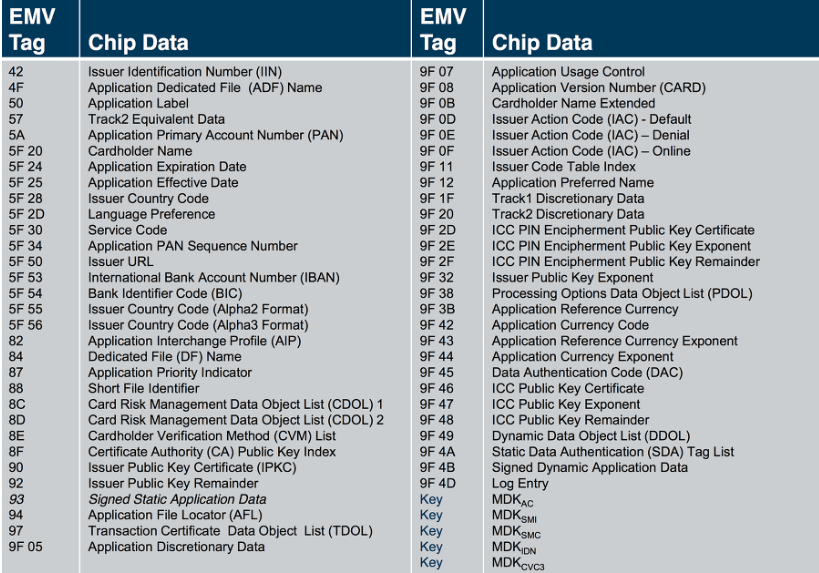

Diagram illustrating the EMV Tag-Length-Value (TLV) data structure used in card transactions

Online & Authorization

What are EMV Tags?

In EMV, data is stored in Tag-Length-Value (TLV) format, and it is carried between the card, the POS terminal, and the authorization system in this same format. This post lists every EMV Tag, its type, and its description.

Diagram illustrating a bank's OnUs transaction flow and the process of opening ATMs to other banks' cards

ATM

What needs to be done to open ATMs to the use of all bank cards?

Suppose you are a newly established bank, wanting to offer customers all your products and services. Of course, this is not easy. First, the Bank's OnUs transaction processing step must run successfully before other banks' cards can be accepted at the ATMs.

Overview of card scheme organizations such as Troy, Visa and Mastercard

Laws & Regulations

What Is a Card Scheme Organization?

A card scheme organization establishes a debit, credit or prepaid card system and authorizes entities to issue cards or sign merchant agreements. Troy, Visa, Mastercard, American Express, JCB and MIR are examples. This post explains how ATM and POS certification works.

Diagram showing the structure of ISO 8583 field F48 (Additional Data)

ISO 8583

ISO 8583 Field Descriptions (F48)

DE 48 - ADDITIONAL DATA: these are additional data fields that can be used specifically for transactions. It is 255 characters long. Field F48 carries many pieces of information and is divided into PDS (Private Data Subelements).

Diagram of a partial authorization where an issuer approves only part of the requested amount

Merchant & POS

What Are the Partial Authorization Requirements for an Acquirer Bank?

Partial authorization lets an issuer approve part of the requested amount when the card lacks the full balance, with the rest paid another way. This post covers the technical, receipt, clearing, reconciliation, merchant and certification requirements for acquirers.

Architecture diagram of the Visa EAS Server within the Visa Secure 3-D Secure authentication flow

EMV

What Is the Visa EAS Server?

The Visa EAS Server (Extended Access Service) is a server used in Visa’s authentication infrastructure. It was developed to run the cardholder authentication process securely between banks and the Visa network, particularly within Visa Secure (3-D Secure 2.x).

Illustration showing how an Application Identifier (AID) is used in a chip card transaction

EMV

What is an Application Identifier (AID)?

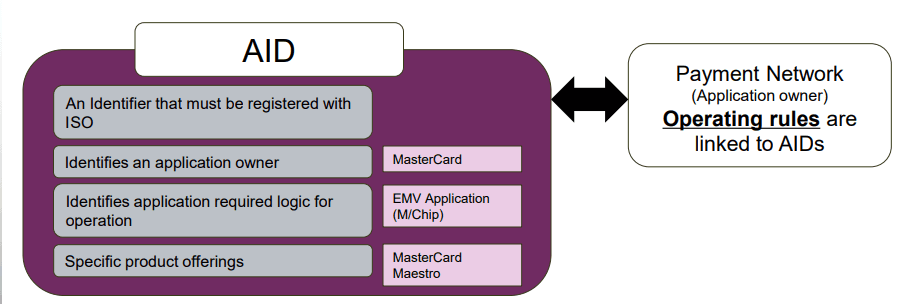
The AID tells the terminal which applications are present on a chip during a POS or ATM transaction. What does the AID do? It lets the terminal determine whether it supports an application on the chip. In Tag 9F06, it is 5-16 digits long.

Credit card with digital security code animation

Credit Card

What is dCVV2?

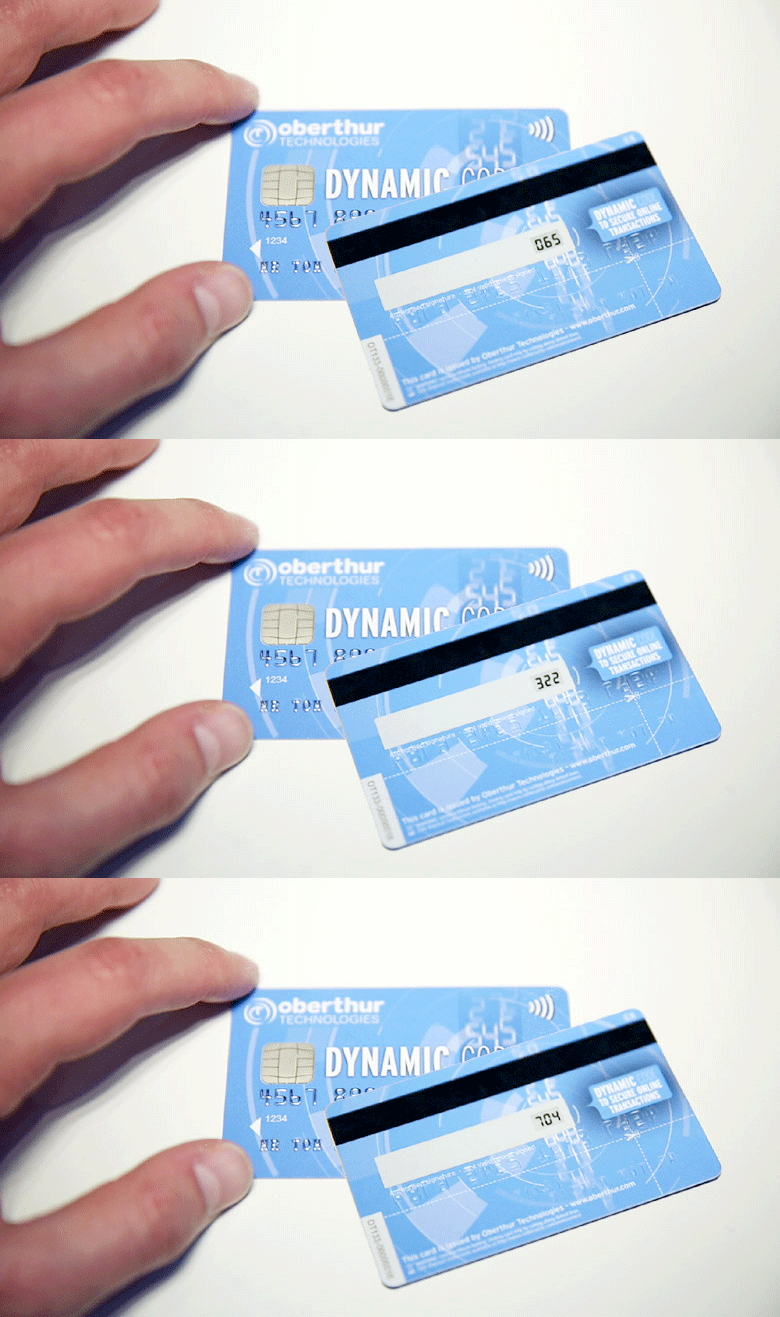
Most of us are familiar with CVV2/CVC2 - the security code on the back of a card, usually three digits. So what is dCVV2? Here's how dynamic CVV technology works and why Visa introduced it for online payments.

Diagram illustrating how a contactless offline transaction is processed

Merchant & POS

Can a Contactless Offline Transaction Occur?

A contactless offline transaction can occur. If the amount is lower than the floor limit defined on the POS and the card also allows offline authorization, the transaction can be completed offline. Offline transactions are periodically sent by the POS to the acquiring bank.

Diagram illustrating the Card Personalization Validation (CPV) process

Credit Card

What is CPV (Card Personalization Validation)?

CPV stands for Card Personalization Validation. It is Mastercard's term for the set of recommendations and instructions defined for the card personalization process. The equivalent for Visa is called GPR (Global Personalization Requirements).