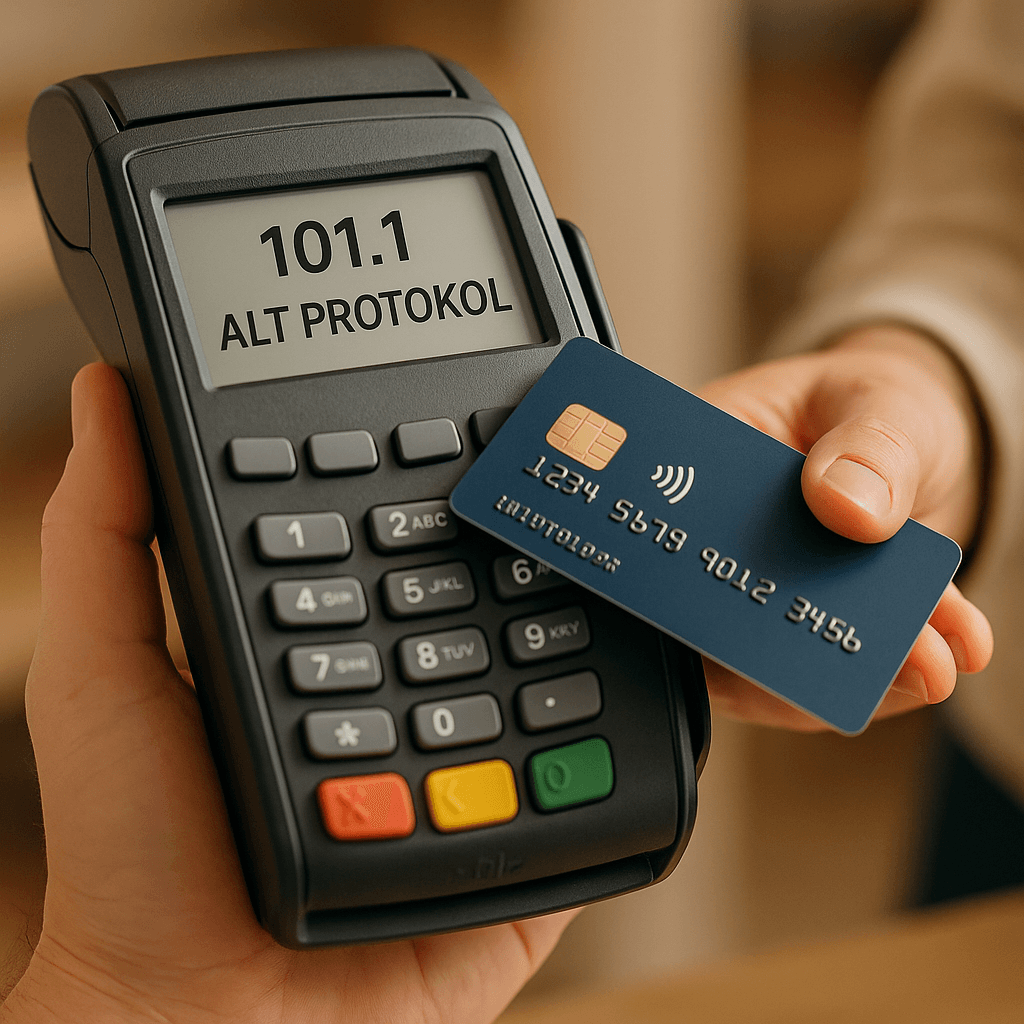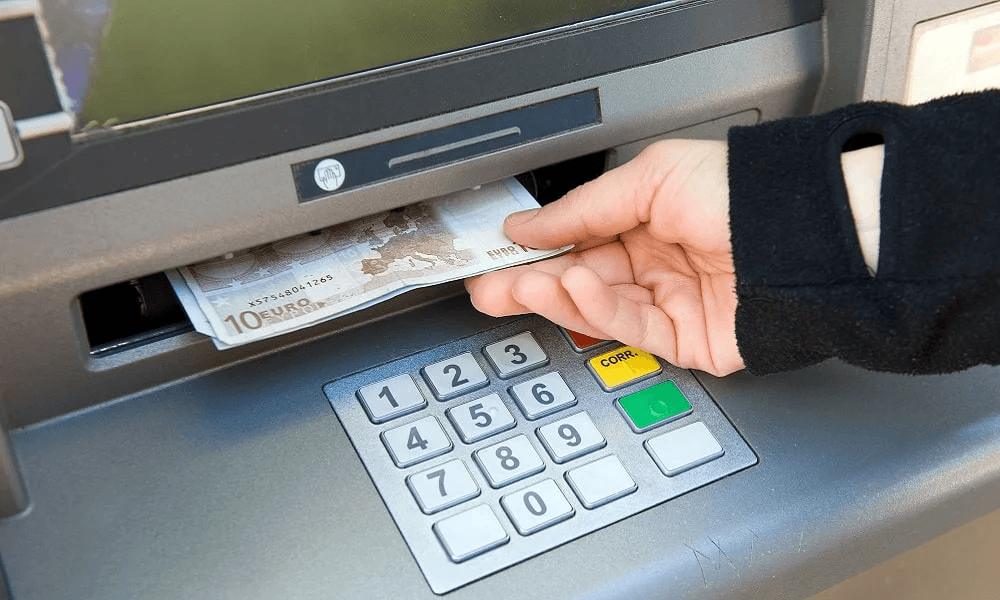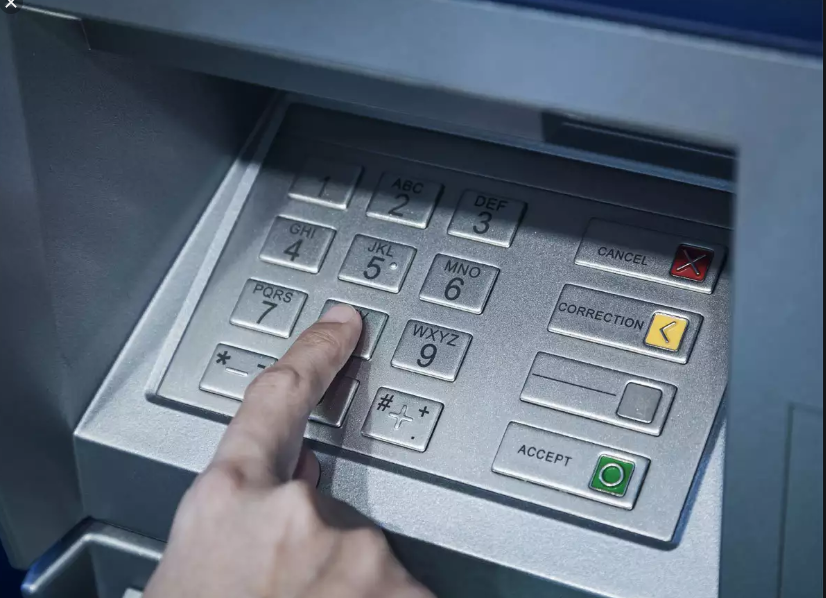
Even though we can now carry out almost all the transactions available at a bank branch through an ATM, for most of us an ATM is still simply a machine for depositing and withdrawing cash.
Today, without a card, we can use our mobile phones at ATMs to:
- Deposit cash (via QR code)
- Withdraw cash (via QR code)
- Carry out mobile-to-mobile transfers.
In addition to these;
- Buying and selling foreign currency
- Buying and selling precious metals
- Paying bills
- Many more transactions, such as applying for a new product, can also be carried out.
So what used to be done with ATMs in the past, or how were ATMs viewed back then? Let's take a look together.
Here are 15 interesting facts uncovered by research on this topic:
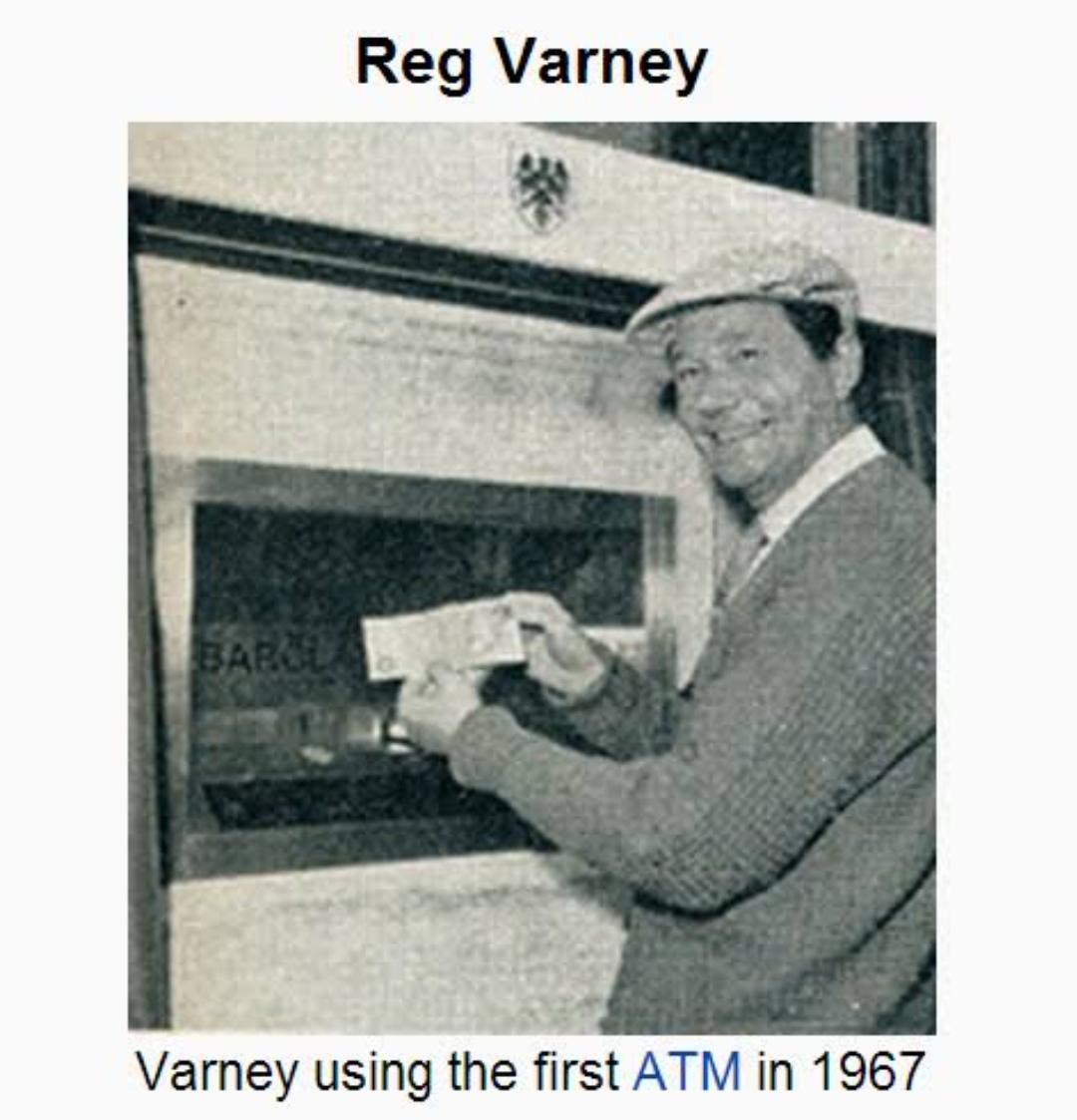
50 years ago, on 27 June 1967, the first ATM was put into service in England. Since then, thanks to huge interest from users, these machines can be found on almost every corner - in England alone there are around 71,000 of them.
No Receipt, No Money
To withdraw cash from the first ATM, you had to get a receipt from the teller at the counter. You were also only allowed to withdraw a maximum of 10 pounds at a time. The receipt was coated with a radioactive substance, which is how the ATM was able to tell it apart from other paper.
China Came Late to ATMs but Is Far Ahead in Technology
The first ATM in China began service in 1987.
New ATMs Keep Going Into Service
Today, somewhere in the world, a new ATM goes into service every three minutes.
ATMs Are Going Digital
The first computer-based (digital) ATM was launched in England in 1972. This brought instant cash withdrawal technology to life, without the hassle of getting a receipt from a teller.
A 4-Digit PIN Instead of a 6-Digit PIN
According to one story, PIN codes were originally meant to be six digits rather than four. However, the wife of John Shepherd, the inventor of the ATM, could only remember numbers up to four digits long. So the inventor designed the system around his wife, and PIN codes ended up being four digits.
The Record for Cash Withdrawn From ATMs
The record for the most cash withdrawn from British ATMs in a single day was set on 23 September last year. The British public withdrew a total of 730 million pounds sterling (3.2 billion TRY) in one day.
All ATMs in the Vatican Are in Latin
In the Vatican, the center of Catholic Christianity and the city where the Pope lives, the language of every ATM is Latin. Even though Latin was a language spoken by the public in Roman times, it is a dead language today. Even so, the Vatican still uses Latin as its official language.

You Can Even Pay for a Funeral at an ATM
In South Africa, you can make funeral payments through ATM machines.
A Reward for Catching ATM Thieves
In England, if you give the bank accurate information about someone trying to steal cash from an ATM, you can receive rewards exceeding 100,000 TRY.
Match Tickets and Parking Payments Are Also at the ATM
In Spain, you can use ATMs to buy match tickets or pay for parking.
ATMs Have Now Kept Up With Technology. Welcome, QR Code!
At many ATMs you no longer need a card or a PIN code. You can carry out many of your transactions with a QR barcode reader.
ATMs Also Dispense Digital Currency
Many countries now have Bitcoin ATMs. In our country, there is a Bitcoin ATM at Istanbul Ataturk Airport.
How About a Mobile ATM?
Golf carts at some golf courses in the US have mobile ATMs built into them. Golfers never have to worry about running short on cash.
Is an ATM Also a Licensing Authority?
In Portugal, you can obtain your hunting and fishing licenses through ATMs.
Fingerprint and Face Recognition Technology Instead of a PIN at the ATM
At ATMs in Japan and Brazil, you are required to use your fingerprint instead of a PIN code. ATMs in China, meanwhile, use facial recognition systems.