Escrow acts as a kind of insurance policy in ATM transactions. A third party is relied upon to ensure that the terms of an agreement are fulfilled, and that money (or other assets) changes hands only once those terms have been met.
In its basic form, escrow is an agreement among three parties, in which one party receives money or other assets and then releases them to the other two parties, or to outside parties, based on certain predetermined conditions.
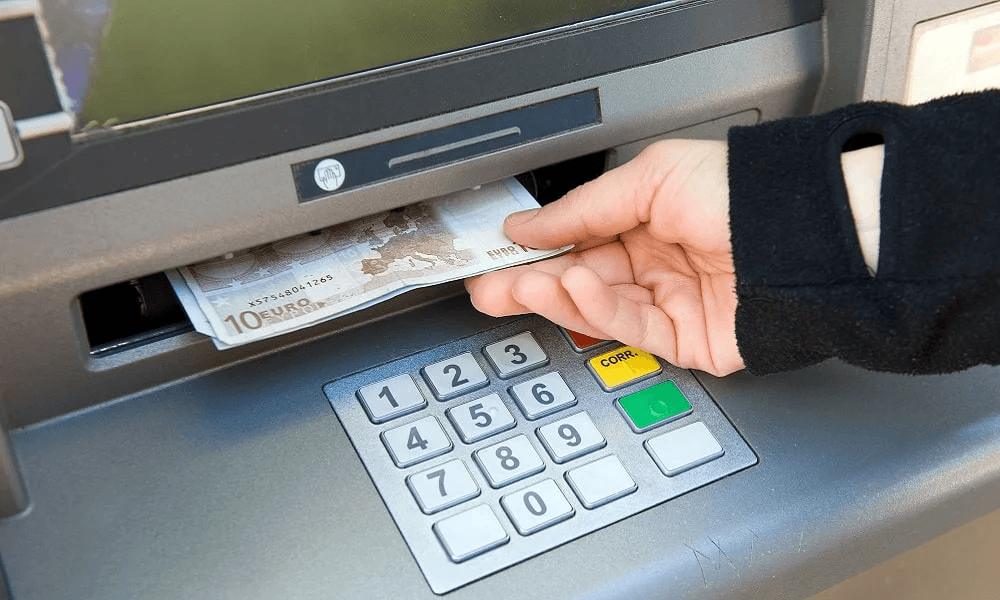
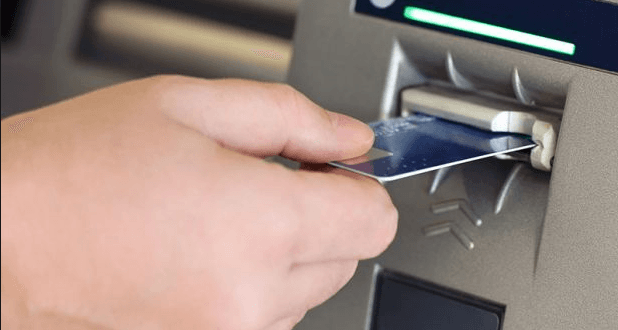
In ATM transactions, escrow is used in deposit transactions. It is not involved in withdrawals. For a withdrawal, you insert your card, enter your PIN successfully, and enter the amount you want to withdraw. Once the transaction is approved, the cash is dispensed and the transaction ends.
So what happens when you deposit money into your account through an ATM?
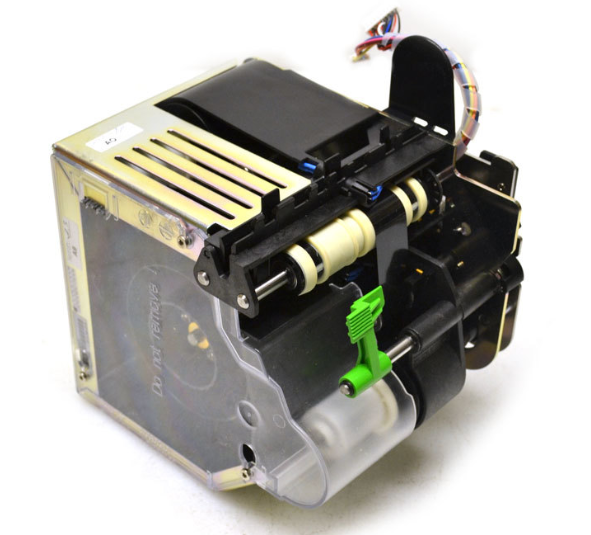
In this case, the ATM does not simply take in your money and directly complete the deposit to your account. Instead, the ATM places your deposit into an escrow compartment and holds the money in escrow until the transaction is completed. If the transaction cannot be completed successfully, the money added to the escrow is returned to you.
In short, we can say that escrow is a holding compartment where money is temporarily placed while a transaction is being processed at an ATM.