Skip to content

Search

"BKM"

130 articles found

Illustration representing a bank checking a merchant against the termination list before issuing a POS device

Merchant & POS

What Is a Merchant Termination List Check?

The termination list is a list, fed by all banks, containing merchants whose merchant agreements have been terminated by banks, together with the reasons for termination. This list is maintained by BKM and offered to banks as a service. Merchants request…


Illustration showing the reasons a bank may terminate a merchant agreement

Merchant & POS

Under What Circumstances Is a Merchant Agreement Terminated?

Banks check merchants against a termination list before issuing a POS device. Learn the main reasons, such as counterfeit card acceptance, excessive chargebacks, and fraud, that can lead a bank to terminate a merchant agreement.

Example of a POS transaction receipt (slip)

Merchant & POS

Don't Dismiss the POS Receipt

In daily credit card purchases, the POS produces two receipts: the Customer Copy and the Merchant Copy. The cardholder gets the customer copy; the merchant keeps its own copy by law.

Illustration of a surcharge fee added to a card payment transaction

Merchant & POS

What is a surcharge?

A surcharge is a fee, charge, or tax added to the cost of a good or service. In payment systems, it refers to adding the merchant's transaction commission to the cash sale amount on credit card transactions, resulting in a higher charge.

Table of merchant sectors where offline transactions are restricted

Merchant & POS

In Which Sectors Can Offline Transactions Not Be Performed?

An offline transaction is one approved by the card and the POS themselves, without going to any system (the card's bank or the POS's bank), when a chip card transaction is made at a POS. For this reason, some sectors considered risky are restricted.

Diagram illustrating a co-badge card issued under two payment schemes

Credit Card

What is a Co-Badge Card?

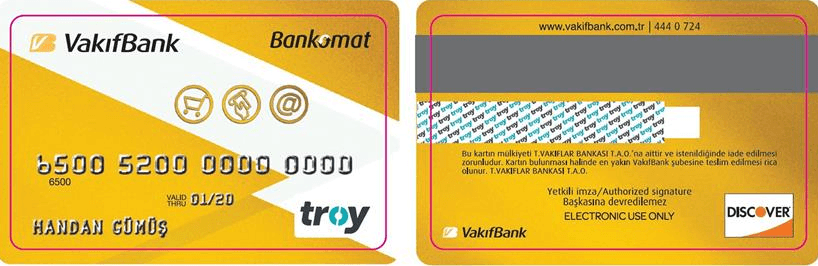
A co-badge card is issued under two or more payment schemes (Mastercard, Troy, Diners Club, Discover, etc.). If a bank's product supports multiple schemes, customers can request a card carrying two or more payment brands.

Illustration representing Merchant Category Code classification for card transactions

Merchant & POS

What Does a Restricted/Prohibited MCC Mean?

The MCC code, or Merchant Category Code, is a 4-digit code used to classify merchants. Some MCC codes are restricted or prohibited, and POS terminals or card transactions may be blocked when such a code is used.

Diagram illustrating how a POS device identifies foreign bank cards using BIN lists

Merchant & POS

How Does a POS Device Detect Foreign Cards?

A POS is a functional device with its own dedicated software, customized according to the authorization system of the bank it is connected to, that accepts credit or debit cards. So, banks abroad launch dozens of new card products every day…

Logos of various international payment card schemes

Credit Card

What Are National and International Payment Schemes?

In the world of payment systems, just as credit cards are an indispensable product, a payment scheme is indispensable for credit cards. When a credit card product is launched, the scheme it will be issued under is decided first.