Skip to content

Search

"Fraud"

130 articles found

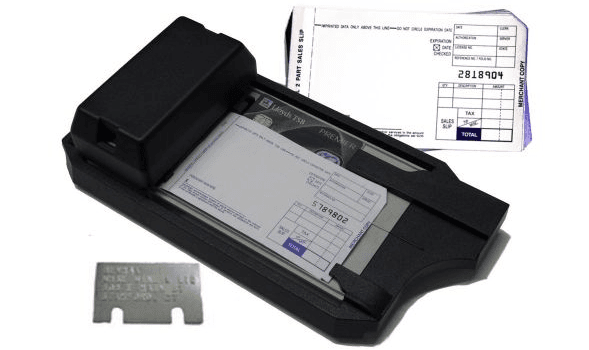
Old mechanical credit card imprinter machine used to transfer embossed card details onto a sales slip

Merchant & POS

What Is an Imprinter?

An imprinter is the name given to devices that transfer all the information embossed on a credit card onto a paper sales receipt. Before POS terminals, it was commonly used by merchants for authorization transactions.
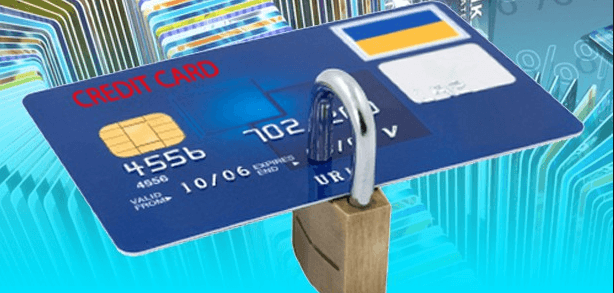

Diagram explaining how the CVV/CVC code is generated and verified on payment cards

Credit Card

What is CVV/CVC?

CVV is short for Card Verification Value, a term used by Visa. CVC is short for Card Verification Code, a term used by MasterCard. The CVV/CVC code is used for cardholder verification and to reduce fraud risk.

Table listing ISO 8583 Field 25 (POS Condition Code) values

ISO 8583

ISO 8583 Field Descriptions (F25)

F25 - POINT OF SERVICE (POS) CONDITION CODE is the field that defines the condition under which a POS transaction was performed. Possible values include 00 Normal presentment, 01 Customer not present, 02 Unattended terminal, and more.

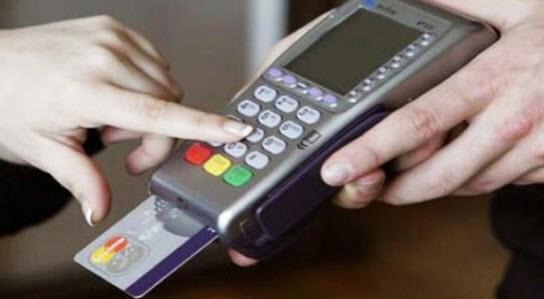
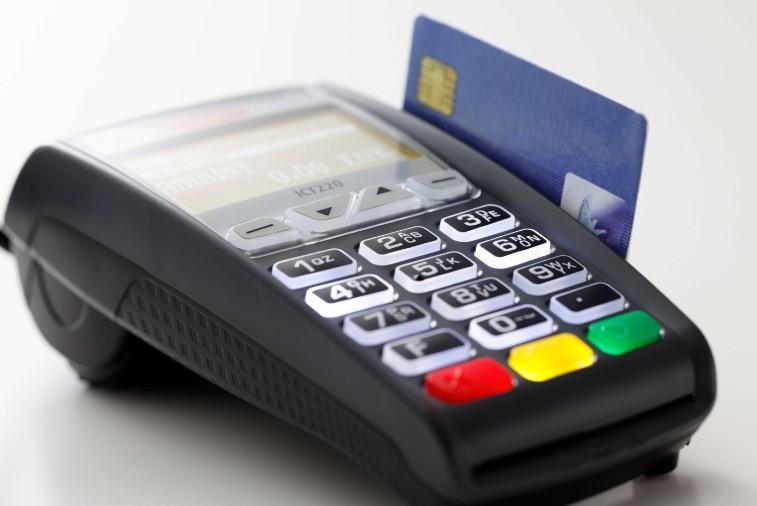
Photograph of a POS terminal used for Chip and Pin card payments

Merchant & POS

What is Chip&Pin?

Chip&Pin, introduced in Turkey on March 31, 2006, is a payment method that greatly reduces the risks of card copying and loss or theft fraud. The chip on the card reduces copying risk, while the 4-digit PIN prevents unauthorized use of a lost card.

Diagram illustrating the types of chargeback disputes in card payments

Chargeback

What are the chargeback dispute types?

A chargeback is a dispute raised against a card transaction when the cardholder did not make it or does not recall it. The dispute types vary depending on the situation; let's look at them.

Illustration representing a vishing voice phishing phone scam

Security

What Is Vishing (Voice Phishing)?

Vishing is a method of deceiving the victim using voice. It replaces the "p" in phishing with the first letter of "voice," meaning "voice deception." It is reinforced by technology in social engineering cases to extract information more easily.

Diagram showing the four pillars of HCE cloud-based security infrastructure

HCE

What is the HCE Cloud-Based Security Infrastructure Like?

The HCE cloud-based security infrastructure consists of four main pillars: Tokenization, Risk Management, Session Keys, and User/Device Authentication. Tokenization indicates the type of token generation, and there are three different tokenization methods.

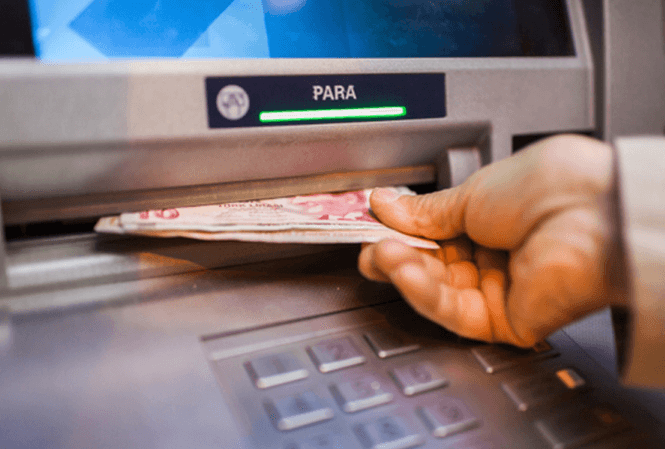
ATM cash withdrawal with banknotes illustrating withdrawal limits

ATM

Can I Withdraw Unlimited Money from an ATM?

Like any physical device, ATMs have certain limits. Logically, it may seem like you could withdraw as much money as the ATM's cash cassettes can physically hold (10s, 20s, 50s, 100s, etc.), but that is not actually the case.

Close-up of a payment card chip, illustrating EMV cardholder verification

Online & Authorization

Cardholder Verification in EMV (CVM)

Cardholder verification in EMV is specific to chip cards. One goal of EMV is to minimize card fraud. To do this, three parties must be verified: the bank, the cardholder, and the terminal. One of the data items taken from the card to prove identity is...

Illustration of a Card Not Present (CNP) online payment transaction

Credit Card

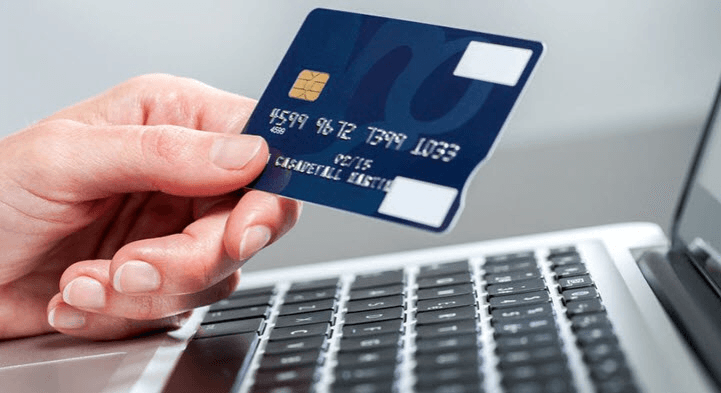
What Is a CNP (Card Not Present) Transaction?

CNP refers to a transaction made through a website or a company's own app payment page, where the card is not read by any device and its details are entered manually. It is short for Card Not Present.