Skip to content

Search

"authorization system"

174 articles found

Table of merchant sectors where offline transactions are restricted

Merchant & POS

In Which Sectors Can Offline Transactions Not Be Performed?

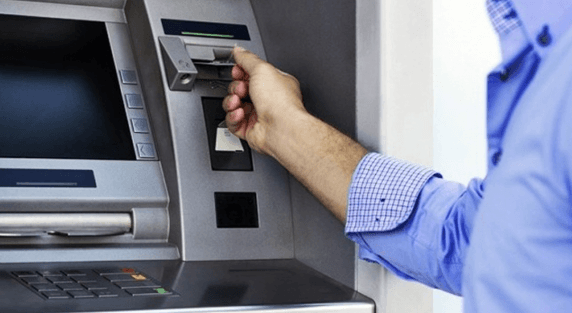
An offline transaction is one approved by the card and the POS themselves, without going to any system (the card's bank or the POS's bank), when a chip card transaction is made at a POS. For this reason, some sectors considered risky are restricted.
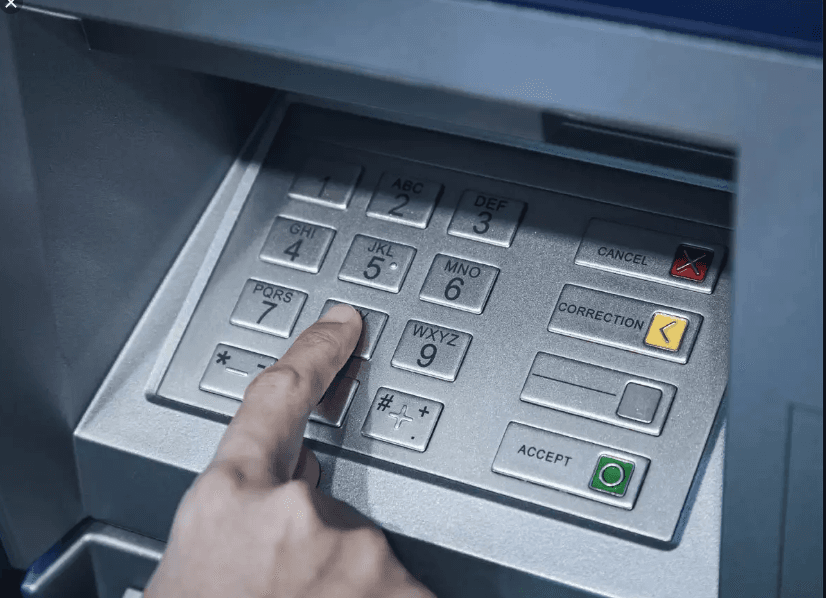

ATM machine with card reader, keypad and screen

ATM

15 Interesting Facts About ATMs

Although we can now carry out almost all branch transactions at an ATM, for most of us an ATM is still just a machine for depositing and withdrawing cash. Today, without a card, we can use our phones to deposit and withdraw cash via QR code.

Social engineering fraud and human biases illustration

Fraud

What Biases and Human Behaviors Trigger Fraud?

Sometimes committing fraud by exploiting system vulnerabilities is harder than exploiting human weaknesses. Fraud that exploits such human weaknesses is called social engineering.

Diagram of an e-money institution and the services it can provide under Law No. 6493

Payment Institutions & E-Money

What Is an E-Money Institution? Which Services Can It Provide Under Law No. 6493?

The Law defines e-money as monetary value issued in exchange for funds accepted by the issuer, stored electronically, used for payment transactions and accepted as a payment instrument by persons other than the issuer. This post explains e-money institutions and the services they may provide.

Secure card storage and tokenization illustration

Merchant & POS

What Is Card Storage?

Card storage is a system, secured with PCI DSS certification, for storing credit and debit card details safely. It saves consumers from entering their card details again and again on frequent purchases.

Diagram illustrating how parameters such as BIN lists and keys are loaded onto a POS terminal

Merchant & POS

What Does Loading Parameters onto a POS Mean?

Loading parameters onto a POS transfers BIN lists, key data, and refund/cancellation authorizations from the management system onto the terminal. Learn how and when it happens.

Electronic money definition illustration

Payment Institutions & E-Money

What Is Electronic Money?

In general, electronic money is monetary value stored on a protected technological device. Turkish law defines it under Law No. 6493 as electronically stored value issued against funds and accepted by third parties as a means of payment.

Illustration of ISO 8583 message format

ISO 8583

ISO 8583 Field Descriptions (F44)

DE 44 - ADDITIONAL RESPONSE DATA is used to provide other supplementary data that may be needed in authorization, as a response to the authorization message. The Card Authentication Results Code is sent in position 9, and the CAVV Result Code is sent in position 15.

Diagram of the EMV Card Block command process

EMV

What is the Card Block command?

The Card Block command is used after card issuance to deactivate all applications within the ICC, including applications that could be selected indirectly. The components of the command are explained below.

Diagram showing how card transaction data flows through the ISO 8583 messaging standard

Merchant & POS

What is ISO 8583?

Introduction: When a card (credit card/debit card/prepaid card) is used at an ATM or POS, data must be carried securely between systems. For example, in a store sale, the POS initiates the transaction, which must reach the cardholder's bank intact.