
ATM
What is a Shared ATM?
A shared ATM lets a customer of one bank use another bank's ATM for card or credit card transactions. Within customer limits, shared ATMs allow deposits, withdrawals, balance inquiries, and credit card debt inquiry/payment.
Search
174 articles found
ATM
A shared ATM lets a customer of one bank use another bank's ATM for card or credit card transactions. Within customer limits, shared ATMs allow deposits, withdrawals, balance inquiries, and credit card debt inquiry/payment.
Credit Card
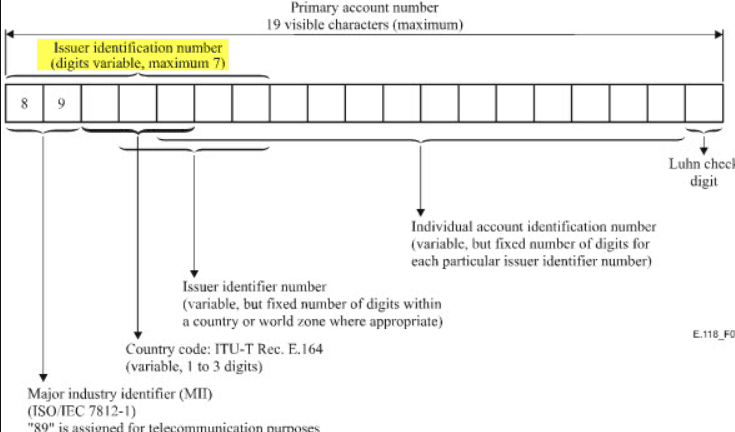
ISO/IEC 7812 is a standard that primarily describes the card numbering system and the application and registration procedures. Identification cards, in physical or digital form, are an integral part of operations in many industries.

3D Secure
Especially with the growth of the internet, credit card transactions have started shifting from physical POS terminals to virtual POS terminals. In virtual transactions, the 3D Secure structure is used instead of the card PIN entered in physical transactions. So how is a transaction's…

Payment Systems
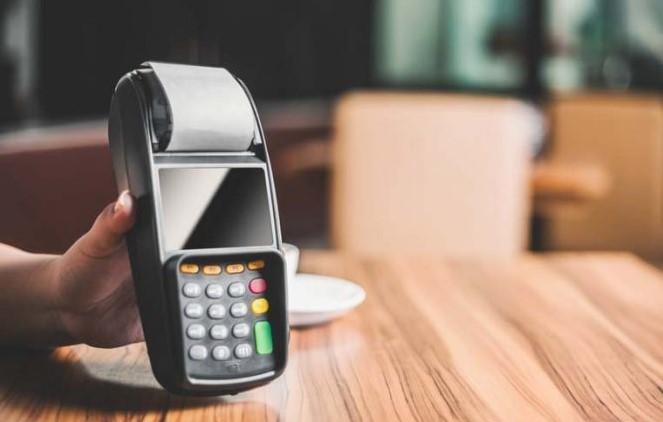
Offline transaction parameters are divided into two types: contact offline and contactless offline. These parameters can be managed separately through Terminal data and Chip data. Offline transactions can be reported to the HOST after an online transaction, after X occurrences, and more.
Online & Authorization
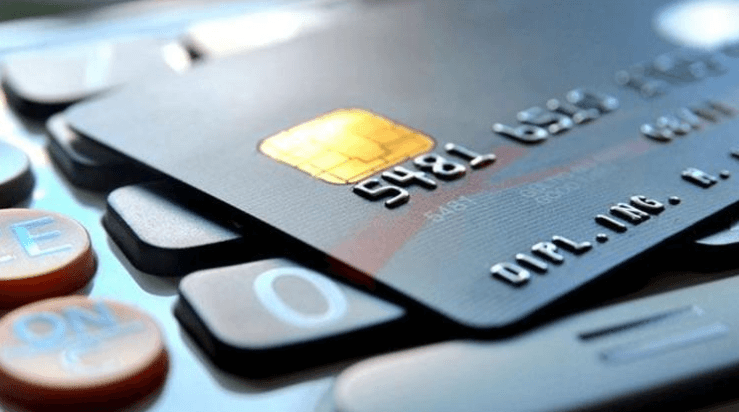
These are codes that communicate the issuer's conditions for approving a transaction online (IAC-Online), for declining it (IAC-Denial), or for declining it when the terminal cannot go online (IAC-Default).
Credit Card
Post-purchase installment conversion lets credit card purchases and cash withdrawals be split into installments afterward for a fee. See the rules and limits banks apply.
Payment Systems
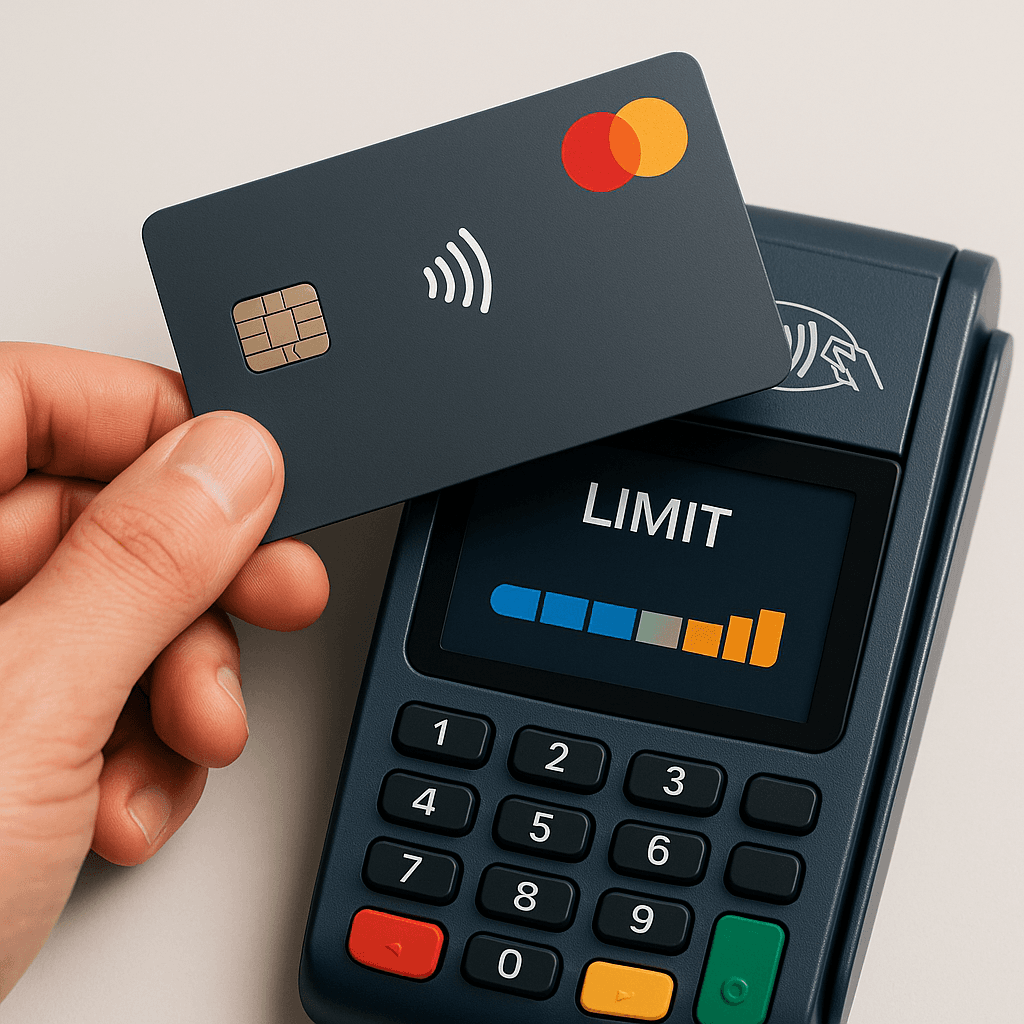
One of the most notable recent developments in card payments is that contactless limits are no longer fixed and can be managed dynamically per customer. Mastercard and Visa are taking different but complementary approaches, and ISO 8583 may need to evolve with them.
Payment Institutions & E-Money
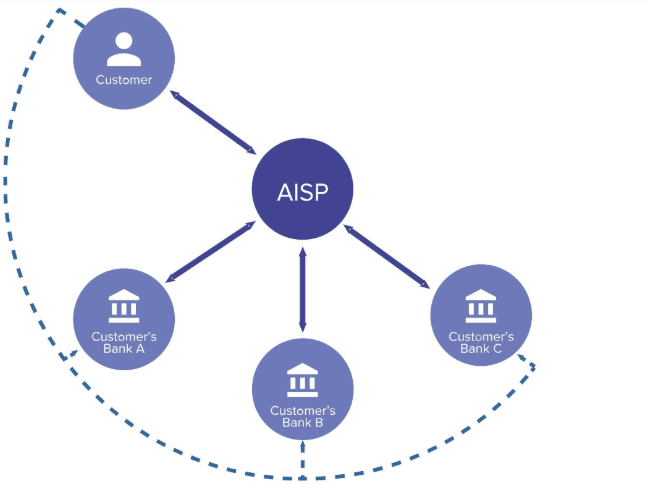
The term 'Third Party Provider' refers to an authorized online service provider introduced under Open Banking. These are systems outside a customer's relationship with their bank that mediate the transaction. So how many types of third party provider are there? Two.
HSM & Security
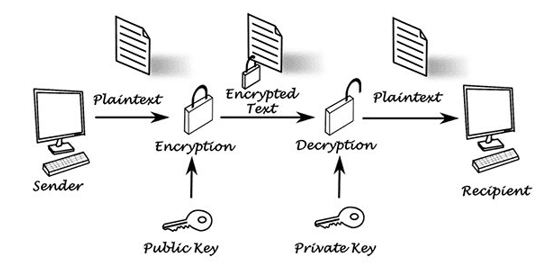
In the world of payment systems, keys and their uses are important for transferring information from one place to another, storing information, and securing authorization and scripting steps. Key types are divided into six categories based on their purpose.

Merchant & POS
Cashback is a modern POS terminal service that allows cash to be withdrawn from the merchant's till while paying for goods and services. Although cashback is a feature specific to debit cards, you can also withdraw cash from an ATM...
Credit Card
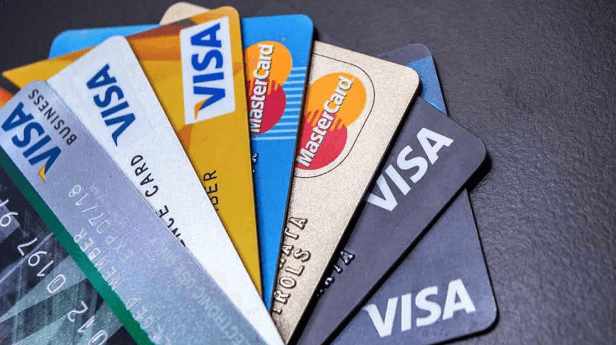
Yes. A certificate must be generated for every new BIN and loaded onto the card chip, establishing secure communication between the chip and the terminal. This is especially critical for verification in offline transactions.
Merchant & POS
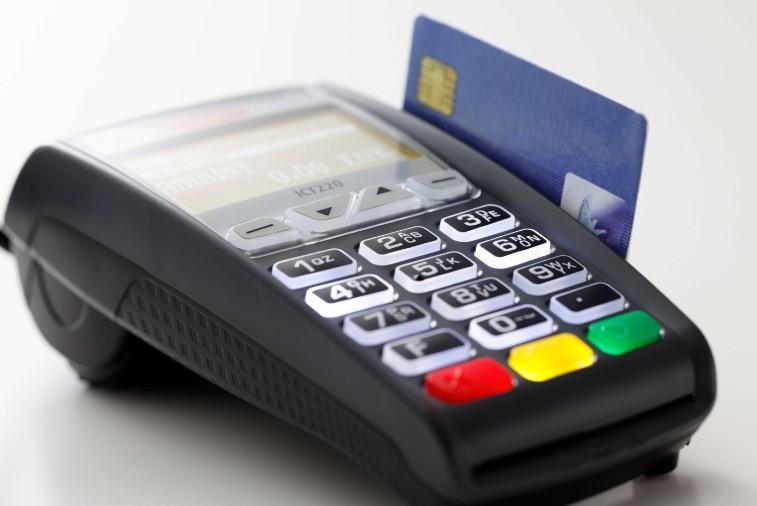
MPV stands for Merkezi POS Veritabanı (Central POS Database), BKM's shared database of all POS terminals operated by its card-accepting members, used for support, statistics, fraud analysis and the Common POS Management System.