Skip to content

Search

"Online Transaction"

186 articles found

Example of a combo card showing credit card information on the front and debit card information on the back

Credit Card

What is a combo card?

A combo card is a next-generation card that combines both a credit card and a debit card on a single card. Although designs vary visually, the front typically carries the credit card information and the back the debit card information.
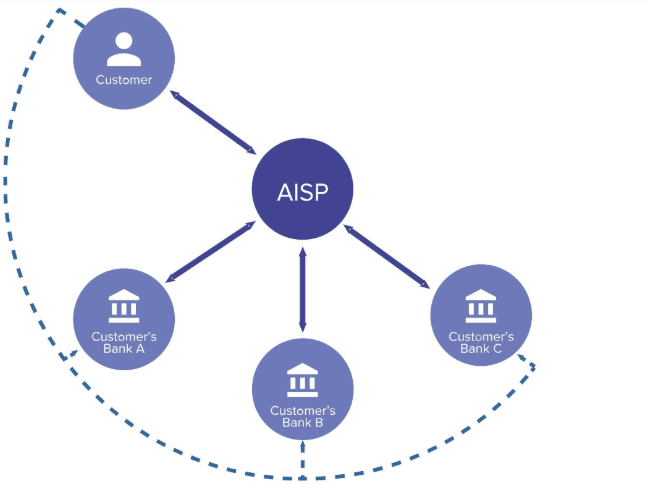
Illustration of Third Party Provider (TPP) roles in Open Banking, including PISP and AISP

Payment Institutions & E-Money

What is a Third Party Provider (TPP)?

The term 'Third Party Provider' refers to an authorized online service provider introduced under Open Banking. These are systems outside a customer's relationship with their bank that mediate the transaction. So how many types of third party provider are there? Two.

Diagram explaining ISO 8583 message types 200 and 210

Payment Systems

What Are 200 and 210 Messages Used For?

Message 200 is generated for transactions initiated from POS applications, and the acquiring bank responds with message 210. Learn how 100/110 messages route approvals via the issuing bank, and common rejection reasons.

Illustration representing payment services data sharing

Payment Institutions & E-Money

What are Payment Services Data Sharing Services (OHVPS)?

Payment Services Data Sharing Services refers to the data sharing services used in the payment services set out in subparagraphs (f) or (g) of the first paragraph of Article 12 of Law No. 6493.

BKM Online member information sharing portal

Credit Card

What Is BKM Online (BOL)?

BKM Online is the web-based electronic system that enables communication and information sharing between BKM and its members, including documents, reports, services and work calendars, according to user permissions.

Screenshot of the Official Gazette announcing Law No. 7192 on payment and securities settlement systems

Laws & Regulations

What Is Law No. 7192 and What Does It Include?

Law No. 7192 amends certain articles of Law No. 6493 on Payment and Securities Settlement Systems, Payment Services and Electronic Money Institutions. Announced on 22 November 2019, it entered into force on 01.01.2020.

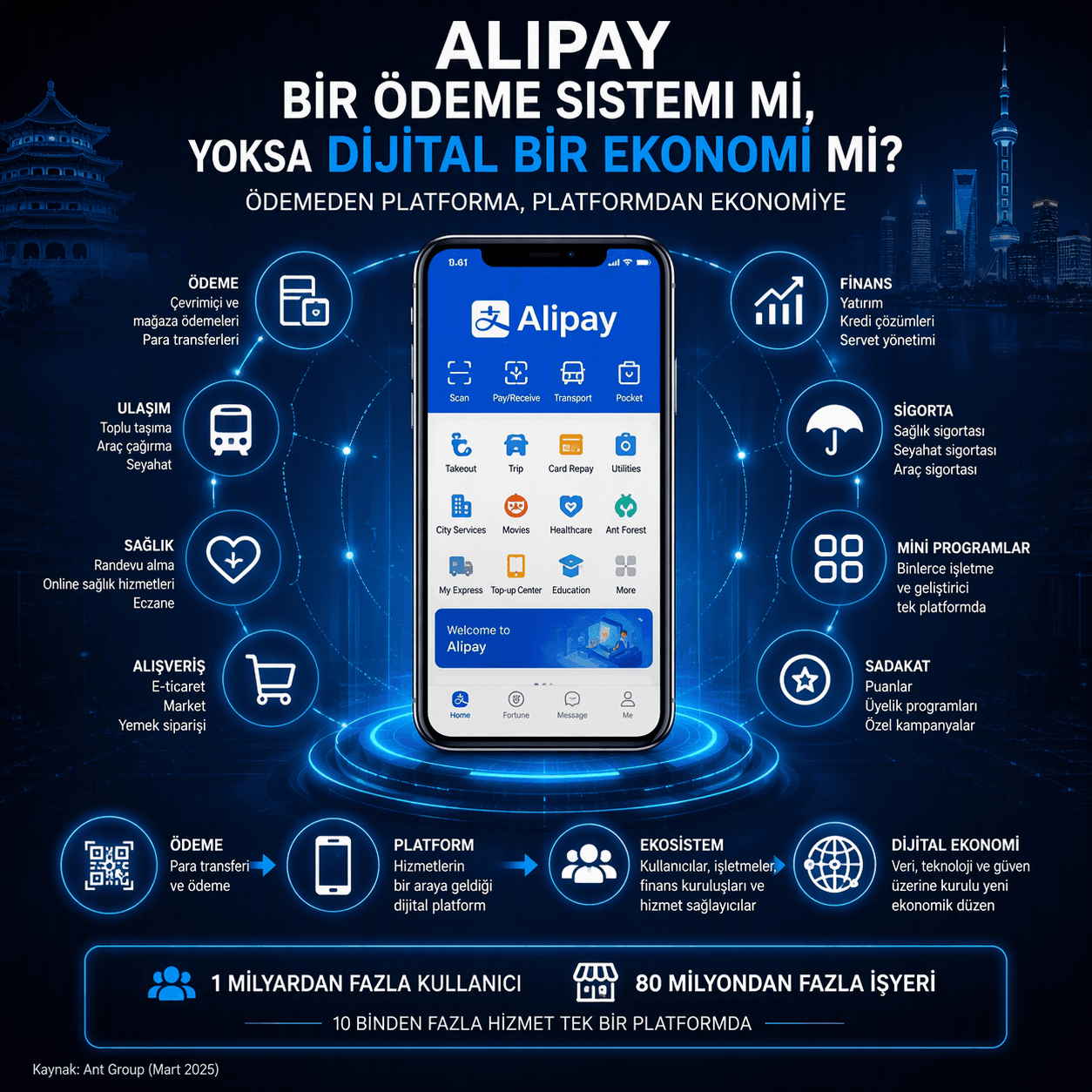
Illustration of the Alipay super app connecting payments, merchants and financial services

Closed-Loop Payments

Alipay: Payment System or Digital Economy? | Closed-Loop Payments #5

Is Alipay a payment system, or a digital economy? In the previous post we discussed how Starbucks shows that payment systems can evolve into a different structure. At first the goal was to make payment easier for the customer. As the system grew, loyalty programs...

Screenshot of an online shopping page illustrating consumer rights in e-commerce

Security

What Are Your Rights in E-Commerce Transactions?

E-commerce has grown significantly in recent years, and so have negative experiences and concerns about trust. This post summarizes the basic consumer rights under Law No. 4077: the right of withdrawal, cargo delivery rights, defective products and the Consumer Arbitration Committee.

Diagram of an e-money institution and the services it can provide under Law No. 6493

Payment Institutions & E-Money

What Is an E-Money Institution? Which Services Can It Provide Under Law No. 6493?

The Law defines e-money as monetary value issued in exchange for funds accepted by the issuer, stored electronically, used for payment transactions and accepted as a payment instrument by persons other than the issuer. This post explains e-money institutions and the services they may provide.