Skip to content

Search

"ATM card"

167 articles found

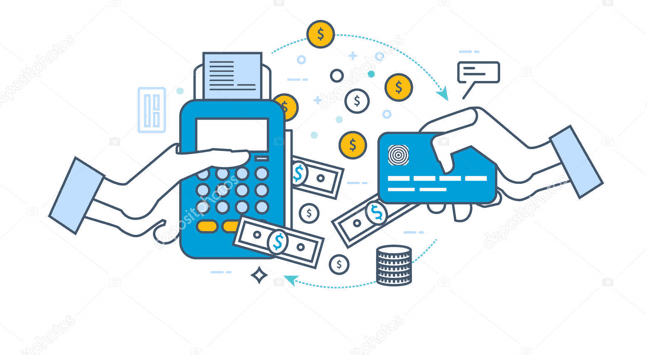
Diagram of basic payment systems terminology including issuer, acquirer, and authorization

Payment Systems

Basic Terms Used in Payment Systems

Although many important terms are used in payment systems, the expressions below are its cornerstones — the ABCs of payment systems, so to speak. Issuer: the credit card company, usually a bank, that issues the card and tracks debt, credit, bonus points, and other services for the customer.
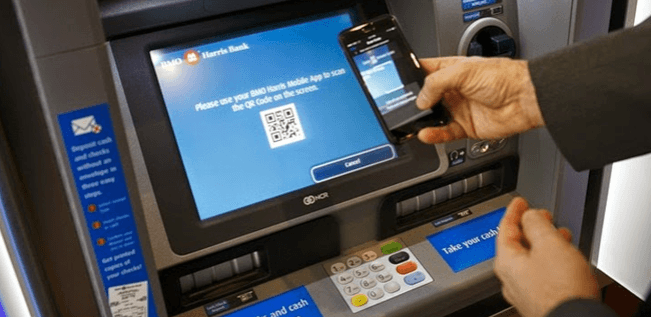

Screenshot of a mobile banking app showing the QR code deposit flow at an ATM

ATM

Depositing Money with a QR Code

Many banks now let customers deposit cash by scanning a QR code with their mobile banking app instead of inserting a card at the ATM. This speeds up the transaction, reduces card skimming risk, and adds an extra layer of security through in-app verification.

Diagram explaining the MCC merchant category code field in ISO 8583 messages

ISO 8583

ISO 8583 Field Descriptions (F18)

F18-MERCHANT TYPE: This is the merchant's category code (MCC) information. It must contain values from the Mastercard or Visa MCC Code list. It is a 4-digit numeric value. For ATM transactions, MCC code 6011 should be sent. The role of MCC in authorization...

Conceptual illustration of a brain-computer interface chip connected to a human brain

Payment Systems

What Could Neuralink Change in Payment Systems?

Elon Musk was set to unveil Neuralink, a brain-computer interface. What is Neuralink, and how might payment systems change if payments, cards, ATMs and POS devices move from phones to a chip in the brain?

Illustration representing bank credit card limit management

Credit Card

How is limit management done in banks?

In transactions carried out through banks, a certain limit is set due to the rules and requirements of institutions such as the BRSA (BDDK) and MASAK, as well as the measures banks take to reduce risk, and transactions above this limit are not approved. In the world of payment systems…

Diagram illustrating clearing types between card-issuing and POS banks

Clearing

What are the Clearing Types?

In card transactions via POS/ATM, when the card-issuing bank differs from the POS/ATM bank (Not Onus), the transaction is subject to clearing. Below, POS can also mean ATM. Is the clearing system a single type? No...

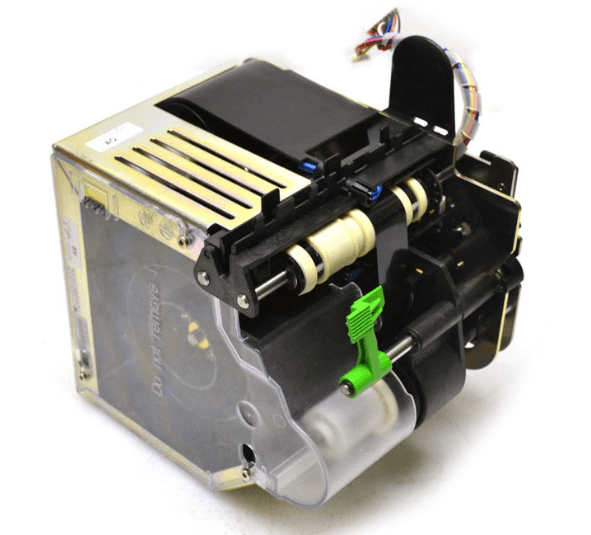
ATM cash deposit escrow compartment holding banknotes

ATM

What is Escrow?

Escrow acts as a kind of insurance policy in ATM transactions. A third party ensures that the terms of an agreement are met and that money (or other assets) changes hands only once those terms are fulfilled.

Diagram illustrating the structure of ISO 8583 field F43

ISO 8583

ISO 8583 Field Descriptions (F43)

F43 - CARD ACCEPTOR NAME AND LOCATION: the field that holds the name and location of the merchant/ATM where a card transaction took place. It is 40 characters long and alphanumeric.

Diagram illustrating an Onus payment transaction between card and POS

Merchant & POS

What does Onus mean?

In the payment systems glossary, some terms are essential, including Onus. Onus literally means "on us" and refers to cases where the card-issuing bank and the POS/ATM bank are the same, meaning no clearing commission applies.

Photo of a Pin Entry Device (PIN pad) used for card payments

Merchant & POS

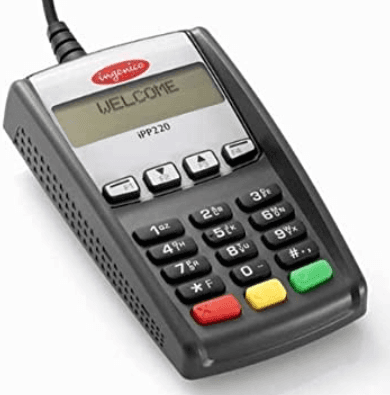
What is a Pin Entry Device (PED)?

Pin Entry Device is another name for the PIN pad device we all know and use daily. It makes it easier for users to enter their card PIN during POS transactions with credit or debit cards, and is used for contactless card reading...

Illustration representing real-time and near real-time fraud monitoring in payment systems

Fraud

What is Online (Real Time) and Near Online (Near Real Time) Fraud?

Fraud monitoring refers to tracking card transactions through scenarios to detect potential fraud and taking rapid action immediately before or after a transaction occurs - such as identifying a suspicious transaction, calling the customer, or temporarily blocking the card to prevent authorization.

Illustration representing communication protocols used in POS payment systems

Merchant & POS

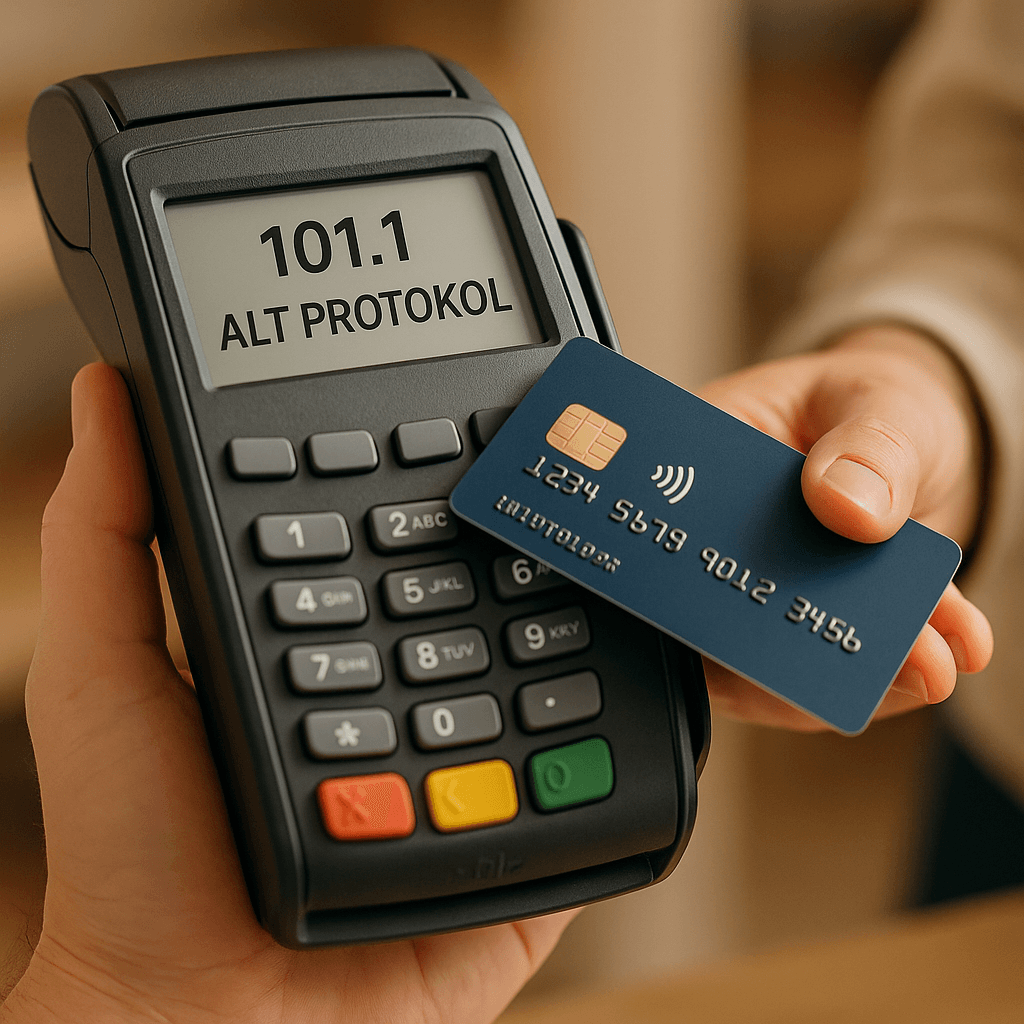
What Are POS Sub-Protocols and Their Use Cases in Turkey?

In payment systems, every exchange between POS devices and bank or payment institution systems runs on a specific messaging standard, generally based on ISO 8583. However, each country, bank, or switch network defines its own version of this standard.