Skip to content

Search

"Card Security"

295 articles found

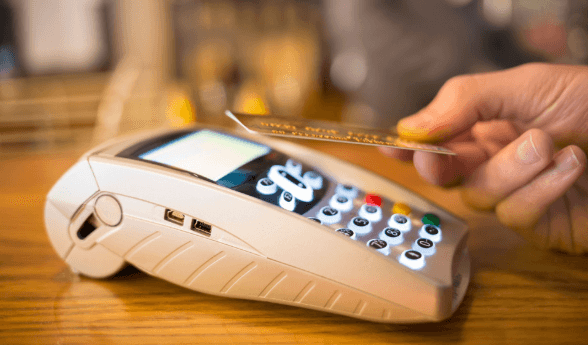
Illustration of a contactless payment card being tapped on a POS terminal

Contactless

What is Magnetic Stripe Data (MSD)?

As end users, we have come to love contactless payments, which are becoming a bigger part of daily life. So what features let contactless cards make payments without touching the POS terminal? There are two classes: MSD cards and Contactless EMV cards.
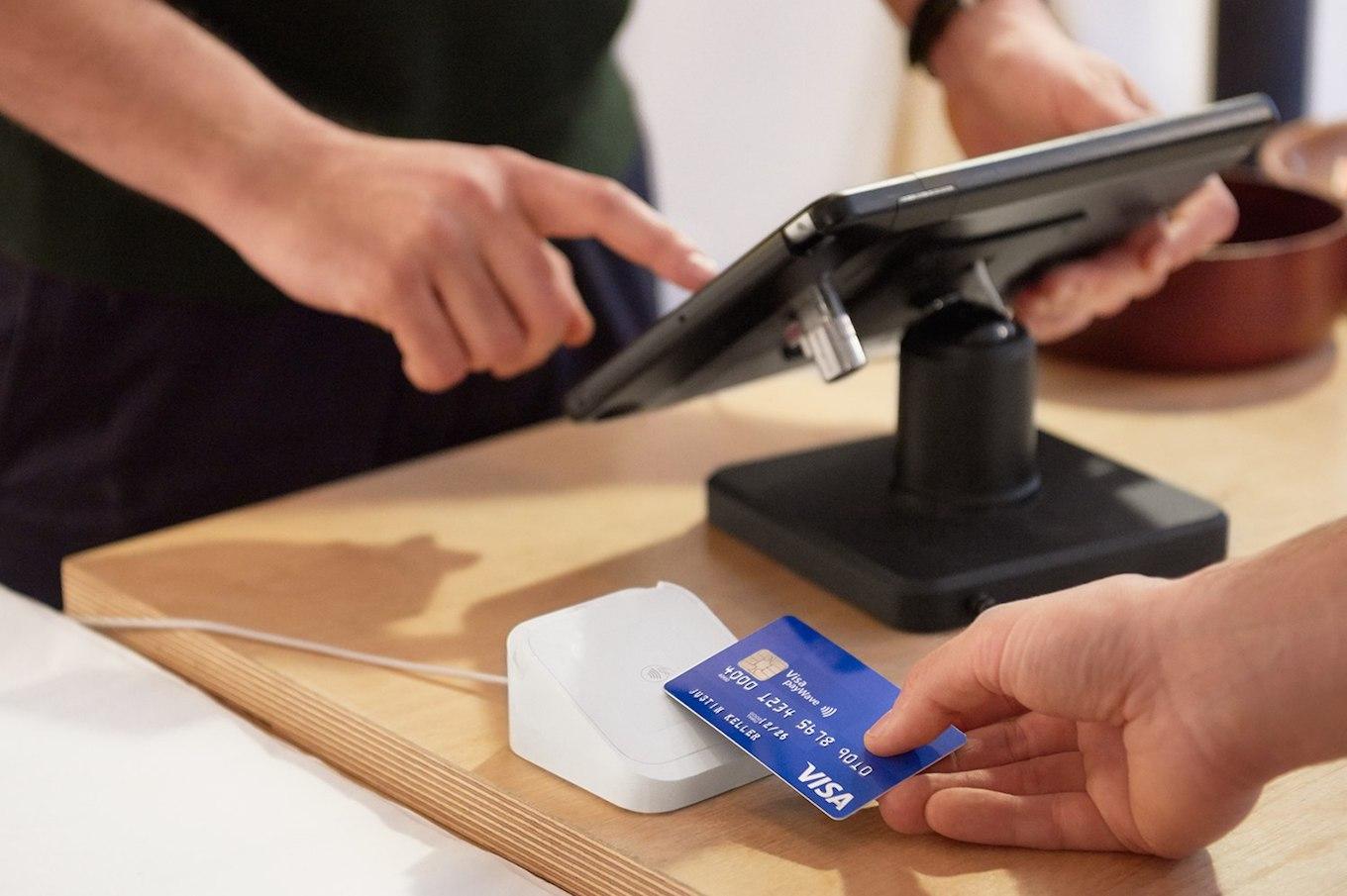

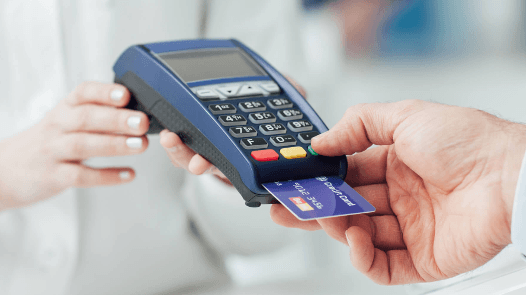
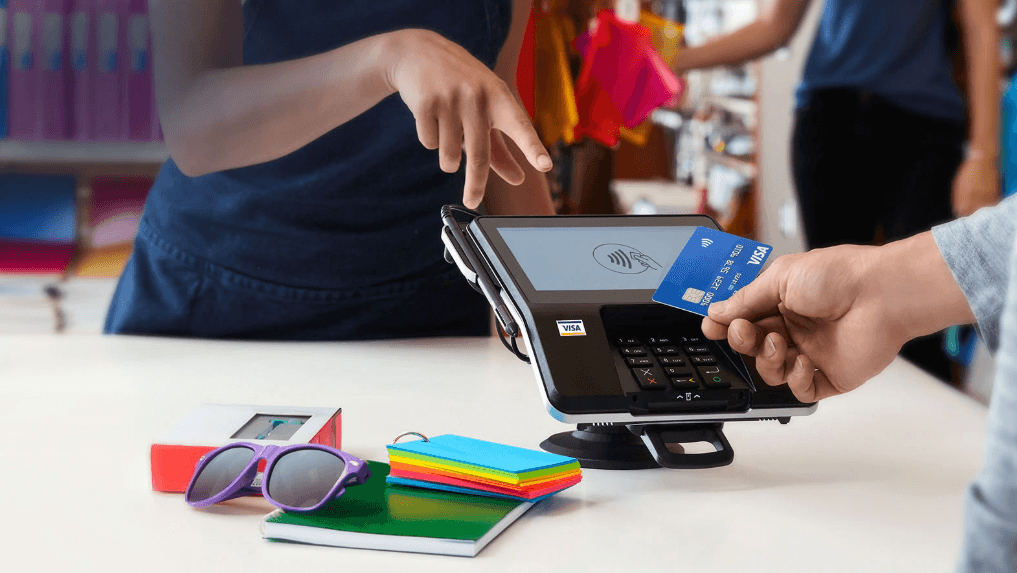
Customer making a contactless payment by tapping a card on a POS terminal

Contactless

What Is a Contactless Transaction?

A contactless transaction is a fast and secure payment made between a credit card and a POS terminal without direct contact, without reading the card's chip or magnetic stripe. Both the card and POS terminal must support contactless transactions.

Contactless payment PIN entry on a POS terminal

Payment Systems

Why Do Some Contactless Payments Require a PIN?

The biggest benefit of contactless payment is completing small transactions quickly. You can pay purchases under 350 TL without a PIN, while purchases above 350 TL require your card PIN.

Diagram of symmetric key types used in payment systems

HSM & Security

Types of Symmetric Keys

In the world of payment systems, keys and their uses are important for transferring information from one place to another, storing information, and securing authorization and scripting steps. Key types are divided into six categories based on their purpose.

Table listing the EMV chip specifications used by Visa, Mastercard, American Express, JCB, Discover, and UnionPay

EMV

What are EMV Schemes?

EMV standards form the foundation for chip cards to work on terminals worldwide, but each scheme - VSDC (Visa), M/Chip (Mastercard), AEIPS (Amex), J Smart (JCB), D-PAS (Discover), and UICS (UnionPay) - defines its own keys, rules, and card profiles.

Courier handing a package to a customer for cash-on-delivery payment

Merchant & POS

What Is Cash on Delivery?

Cash on delivery means paying for an online order at the moment of delivery, usually in cash, though some e-commerce sites also accept card payment at the door. It boosts sales and builds trust, but carries risks like missing POS terminals and refused deliveries.

Diagram explaining PVKI and PVV calculation in card PIN verification

Credit Card

What Is PVKI (PIN Verification Key Index)?

PVKI is the abbreviation for PIN Verification Key Index. It is located within the card's Track 1 and Track 2 data and is used in PVV calculation. It can take values from 1 to 6, usually defaulting to 1.

Diagram comparing the three levels of payment-card tokenization: static, semi-dynamic and dynamic

HCE

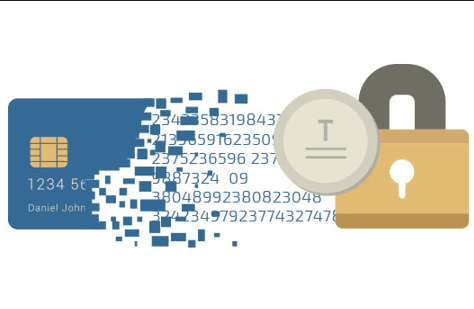
What Are the Levels of Tokenization?

Generating a token from the card number is essential to the security of payments made with mobile devices. The level of tokenization used depends on the need and on how critical the token is. Static tokenization: the token is generated once and stored in a database.

Screenshot of the TOTAL mobile payment flow for paying for fuel from the car

Merchant & POS

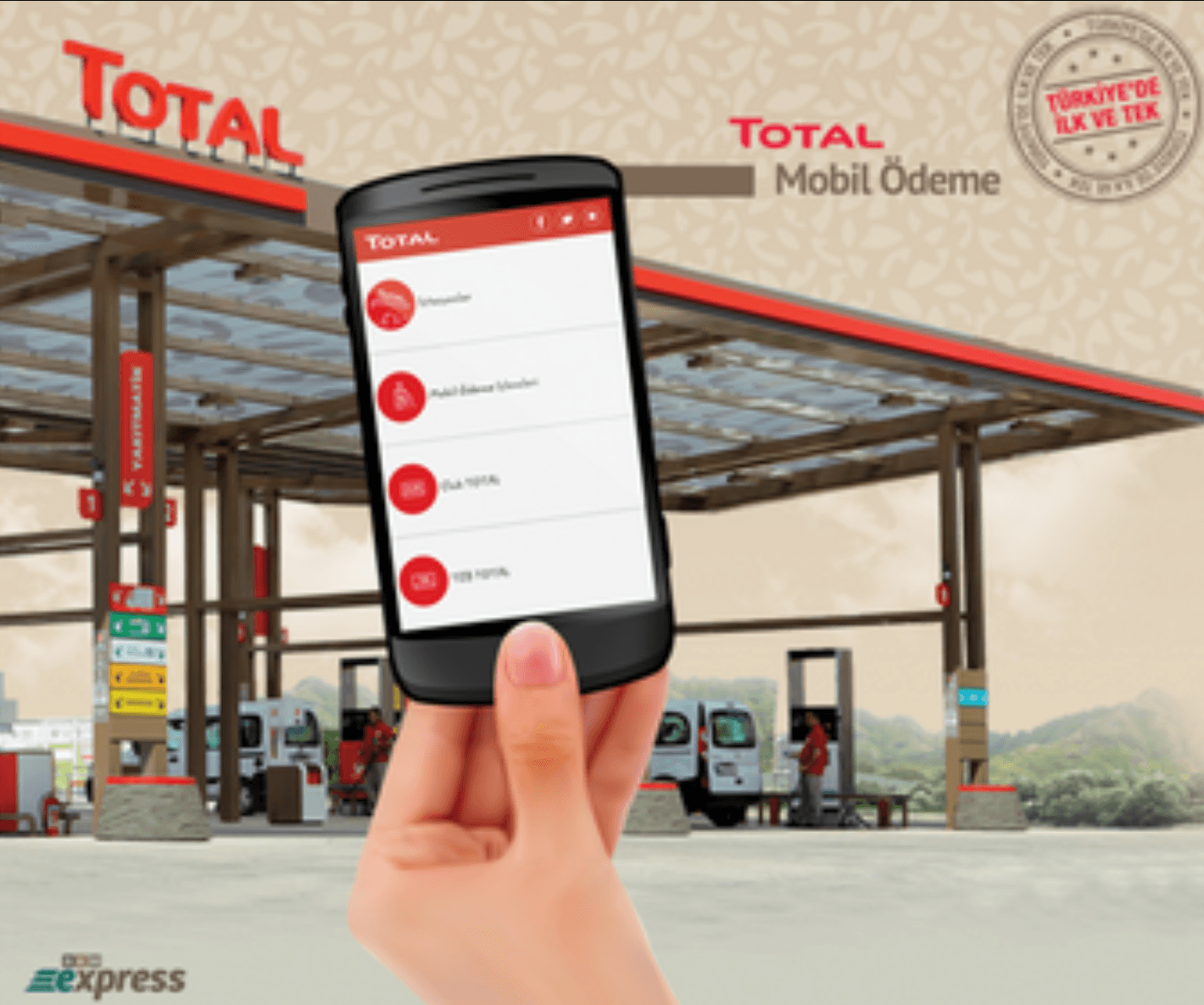
A New Era in Fuel Retail: Paying Without Getting Out of the Car

Mobile phones are entering our lives more every day. One study found people forget their wallets more often than their phones. This post explains how to buy fuel with TOTAL Mobile Payment and BKM Express without getting out of the car.

Diagram comparing the digitization and tokenization processes in mobile payments

HCE

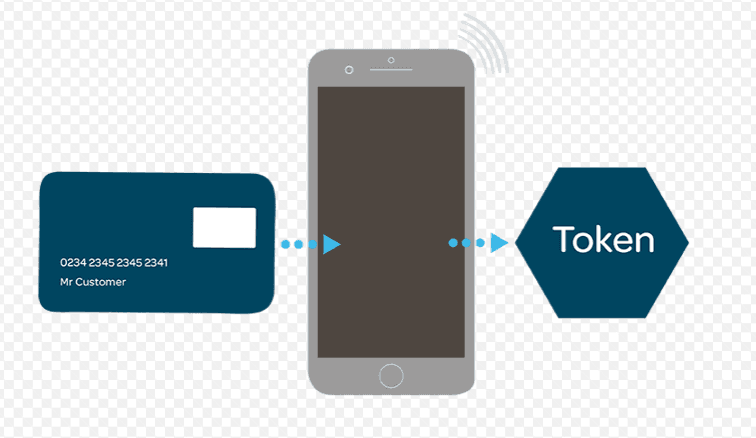
Comparing Digitization and Tokenization

Tokenization and digitization are two important terms in mobile payments that are easily confused and often used interchangeably. What is the difference between digitization and tokenization?