Merchant & POS
Transaction Status Information (TSI)
Contains the EMV steps performed by the Terminal in a transaction. The TSI fields, their possible values, and descriptions of the values are shown below.
Search
231 articles found
Merchant & POS
Contains the EMV steps performed by the Terminal in a transaction. The TSI fields, their possible values, and descriptions of the values are shown below.
Laws & Regulations
The Visa Core Rules and Visa Product and Service Rules documents define the fundamental rules that apply to all institutions in the Visa network. They are updated regularly, and all members are expected to follow the latest version.

Credit Card
Credit cards can be a convenient way to manage income and expenses, but for those who don't know how to use them, they can become an expensive and risky product. Here are the key pros and cons to weigh before applying for one.
Merchant & POS
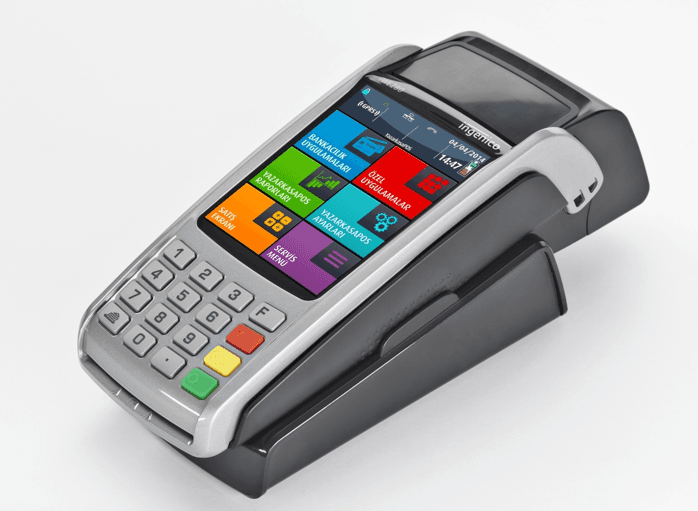
Transaction types that can be made with a card through a POS: Magnetic Sale, EMV (Chip) Sale, Fallback Sale, Offline EMV Sale, Mail Order, and Ecommerce Sale, each explained in detail below.
Merchant & POS
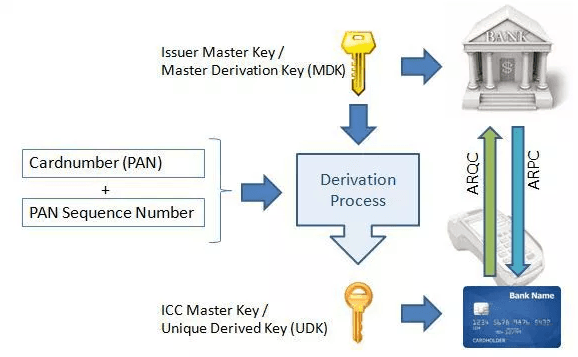
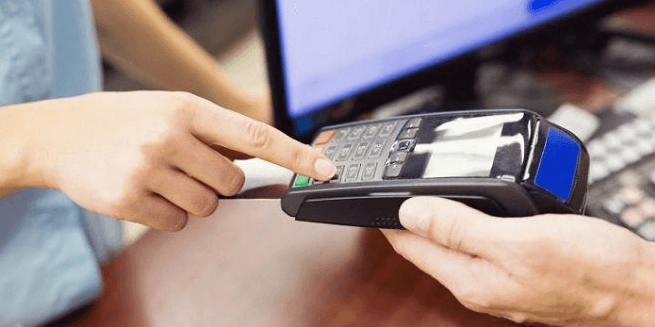
With the introduction of chip cards into our lives, the terminal needs to verify the credit card before the transaction. So how is this verification performed? The value calculated and sent by the card is called ARQC (Application Request Cryptogram).
EMV
The Lower Consecutive Offline Limit is the maximum number of consecutive offline transactions allowed by the ICC application, as set by the issuer, on a terminal capable of going online. It is sent in tag 9F14.

ISO 8583
F124 (Private Additional Data) contains additional information specific to the transaction, such as Card Update Failure Code and Status, cardholder name in money transfers, and keys in network management messages.
Merchant & POS
Visa's Merchant Data Standards Manual covers classification, identification and data standard requirements for merchants, payment facilitators and marketplaces, including merchant naming, location and MCC rules. Here is what it contains and where to find it.
Payment Systems
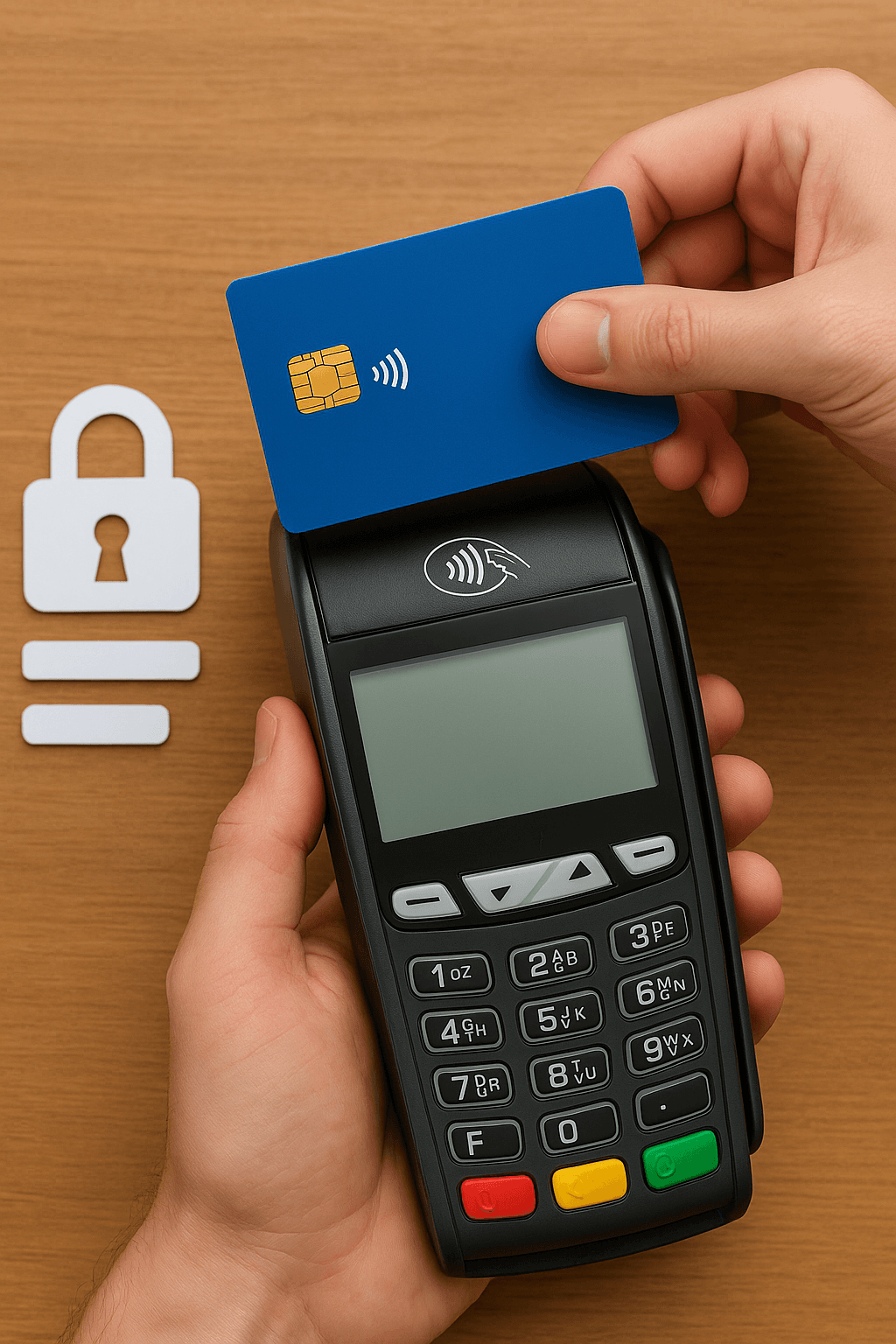
Contactless payment has greatly improved the user experience, yet its fixed transaction limit is a common complaint. Can this limit be managed dynamically per customer? This post covers the current situation, technical and regulatory requirements and the outlook.
Credit Card
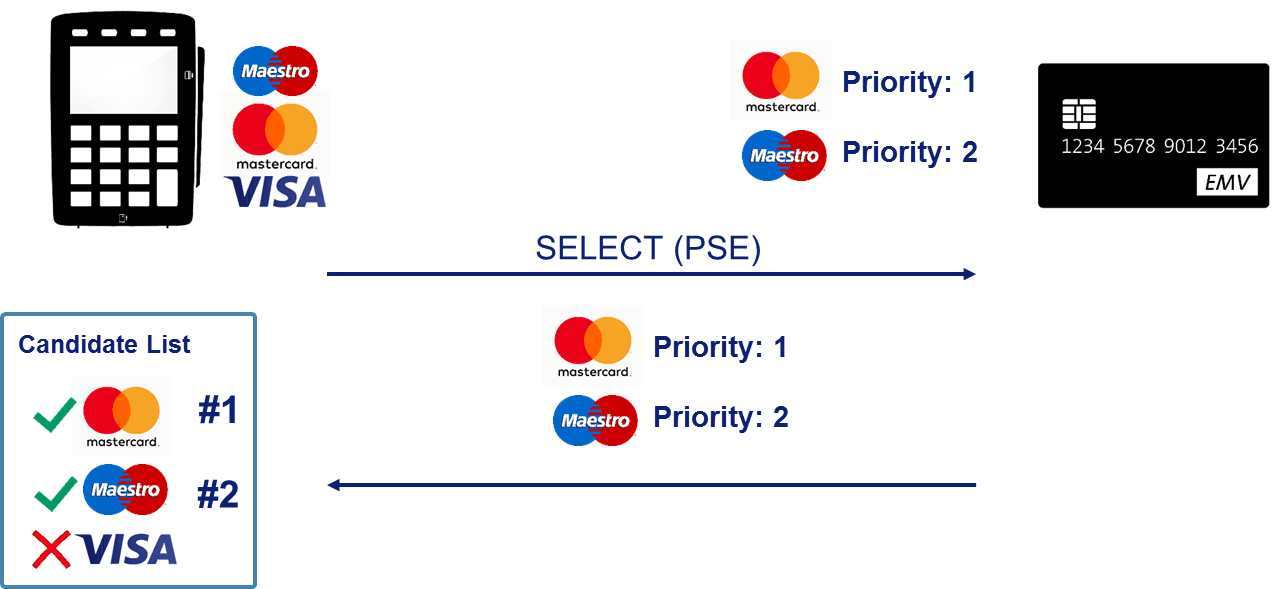
PSE (Payment System Environment) is a directory on the card named 1PAY.SYS.DDF01 for a contact chip and 2PAY.SYS.DDF01 for a contactless chip. The Candidate List built via PSE is called indirect or implicit Application Selection.
HSM & Security
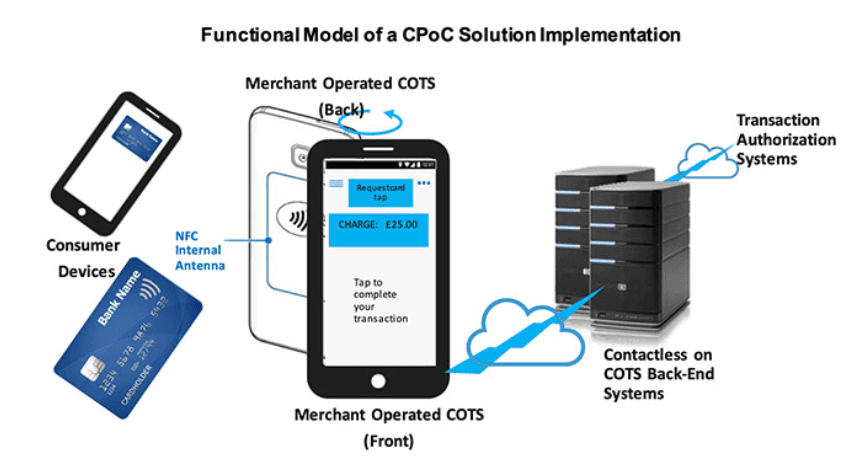
The CPoC standard, issued by the PCI Security Standards Council in 2019, is a data security standard that lets merchants accept contactless payments using a commercial off-the-shelf (COTS) mobile device with NFC.

Merchant & POS
In EMV-based debit card transactions, PIN verification is decisive for both security and liability. What happens when a card that only supports online PIN is sent to the issuer without a PIN, and the issuer approves it? Who owns the risk?