Credit Card
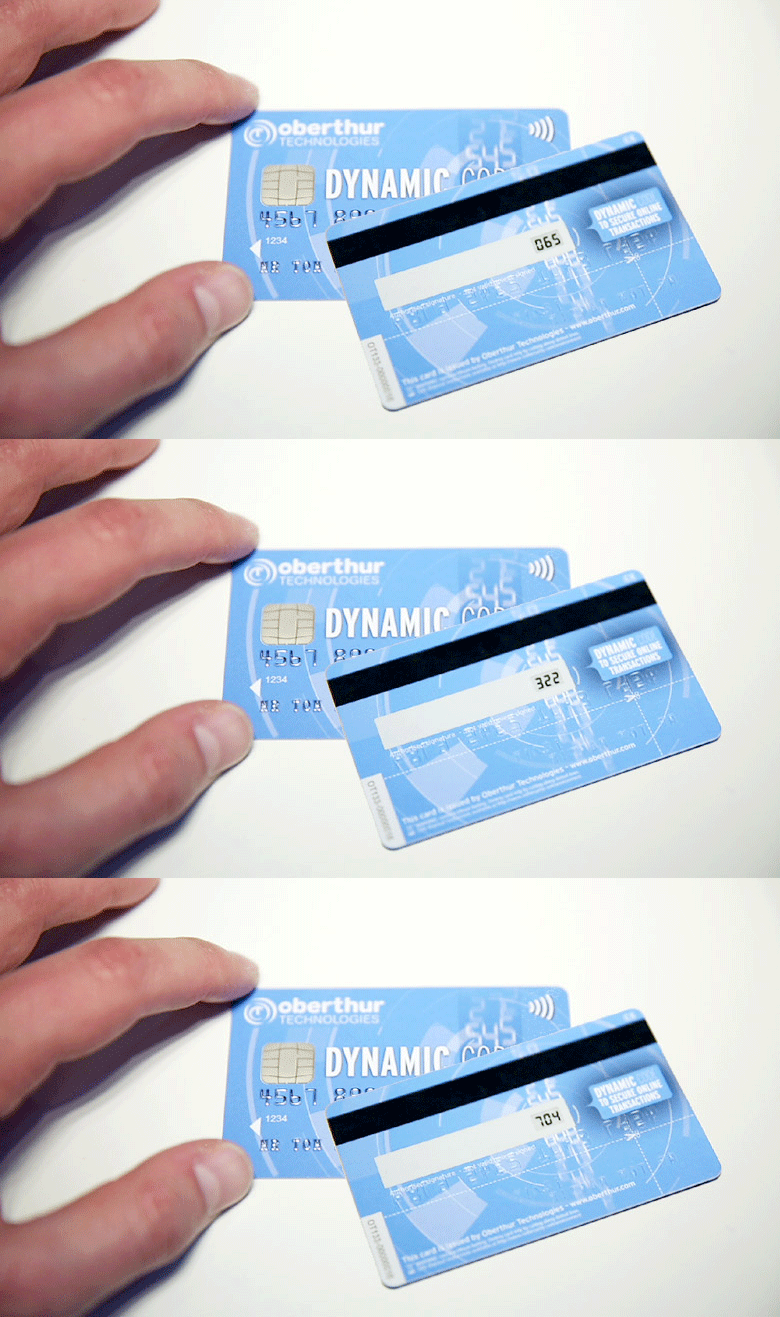
What is a Dynamic Card Security Code (CSC)?
It is a CVV2/CVC2 code that changes every few minutes instead of the static code printed on the back of a credit card, aimed at reducing fraud risk in CNP (Card Not Present) transactions.
Search
286 articles found
Credit Card
It is a CVV2/CVC2 code that changes every few minutes instead of the static code printed on the back of a credit card, aimed at reducing fraud risk in CNP (Card Not Present) transactions.

Security
Credit cards are one of the most important payment instruments in daily life. As technology advances and mobile payments and ATMs handle nearly all transactions, credit card fraud is also diversifying and increasing.
Credit Card
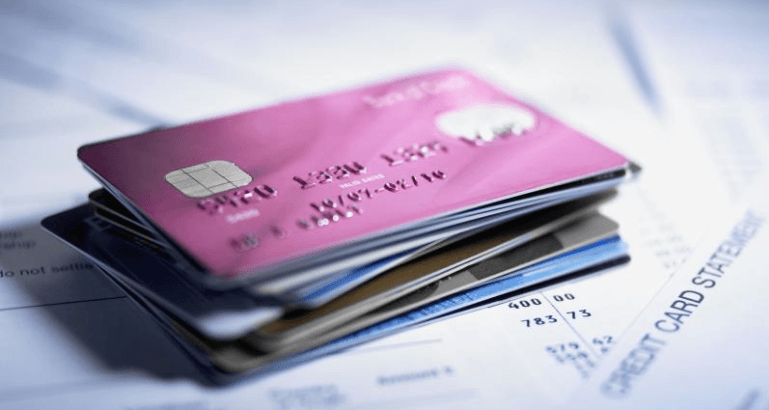
CPV stands for Card Personalization Validation. It is Mastercard's term for the set of recommendations and instructions defined for the card personalization process. The equivalent for Visa is called GPR (Global Personalization Requirements).

Credit Card
From the invite-only American Express Centurion Card to the diamond-studded Dubai First Royal MasterCard, discover the world's most exclusive credit cards.
Merchant & POS
BKM (Interbank Card Center) shared 2018 developments in card payments and the cashless society goal in Turkey. The data shows card payments becoming a bigger part of daily life every year.

Merchant & POS
CAVV and AAV are verification codes used in 3D Secure transactions to ensure transaction integrity and security. CAVV is used by Visa, while AAV is used by Mastercard.
Merchant & POS
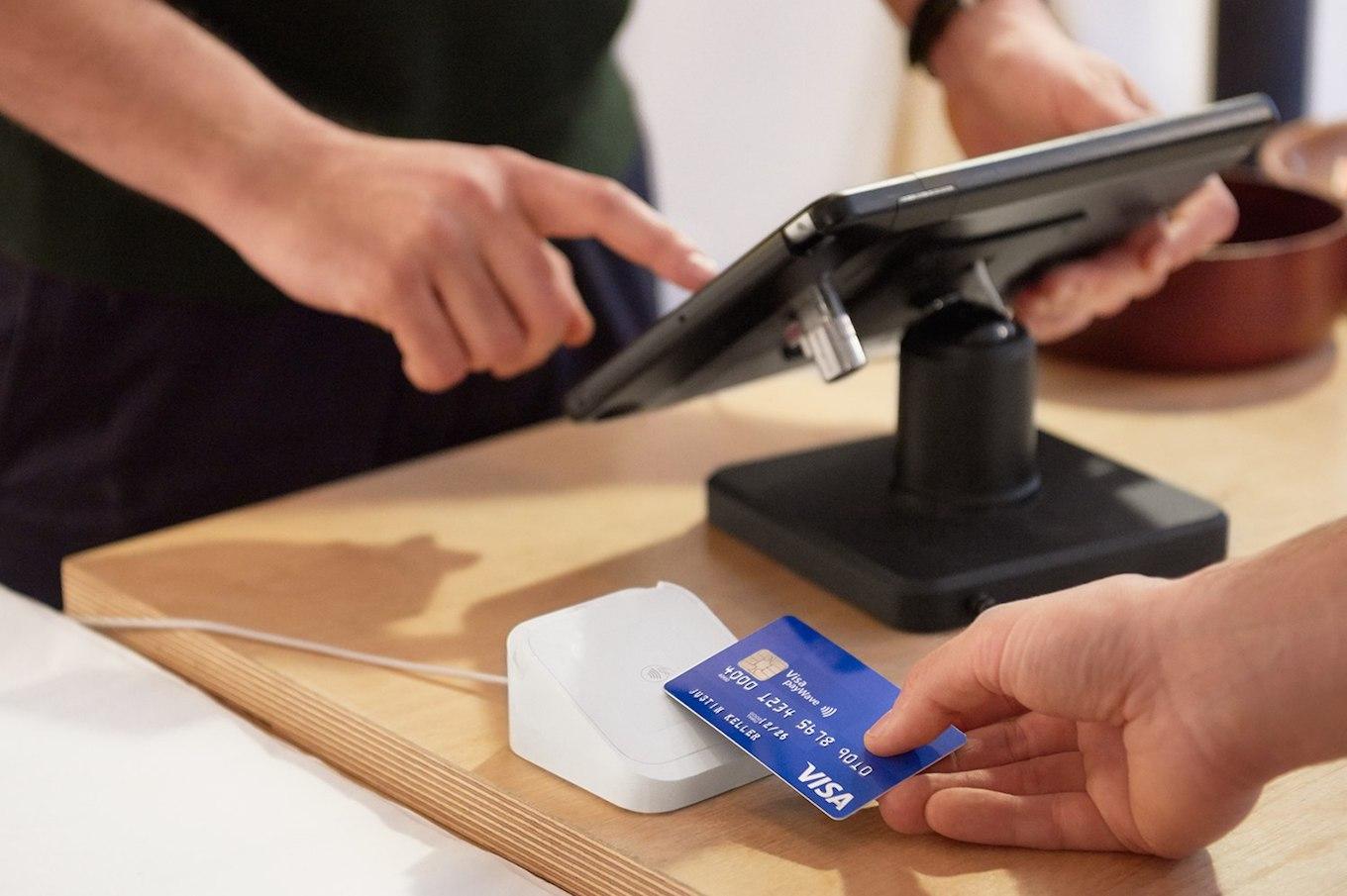
Code 10 is when a merchant suspects the cardholder or the card is counterfeit and calls the card's bank, which then verifies the transaction with the merchant's bank. If staff suspect a card or cardholder, they should call the bank immediately.
Merchant & POS
3D Secure is short for Three Domain Secure (Issuer Domain, the Interoperability Domain and the Acquirer Domain), used to increase security in online transactions. Known to cardholders as 3D Secure, these systems are given unique names by payment schemes (MasterCard, Visa, etc.).
Merchant & POS
Cardholders may request a refund through the merchant for POS transactions due to wrong deliveries, returned goods and similar reasons. Here is the information a refund receipt must contain, including extra fields for e-commerce.
ATM
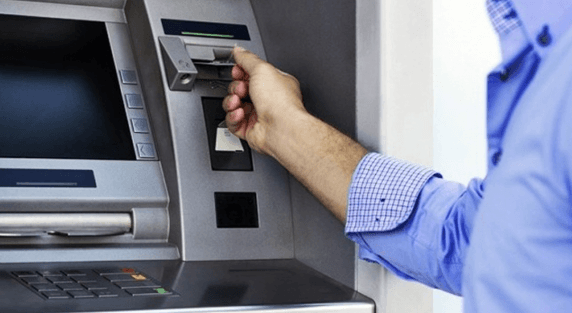
Did you know that when a transaction is attempted with another bank's card at an ATM, the PIN check happens not when the card is inserted, but when the transaction is sent for authorization? (Deposits are the exception.)
Credit Card
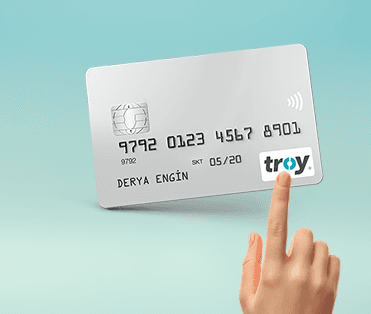
In the world of payment systems, just as credit cards are an indispensable product, a payment scheme is indispensable for credit cards. When a credit card product is launched, the scheme it will be issued under is decided first.

ATM
ATMs generally hold your bank/credit card inside the card reader slot until the transaction is completed. Fraudsters insert foreign objects such as paper or adhesive-coated cards into the reader to trap the customer's card inside.