Skip to content

Search

"standards"

175 articles found

Illustration of an ATM with a voice menu for visually impaired customers

ATM

What Must Banks Do for Visually Impaired Customers?

Banks must provide the infrastructure for ATM access by visually impaired customers. Among ATMs side by side or less than 50 meters apart, only one needs to comply; all other ATMs must serve visually impaired customers. Details of Article 7 are below.
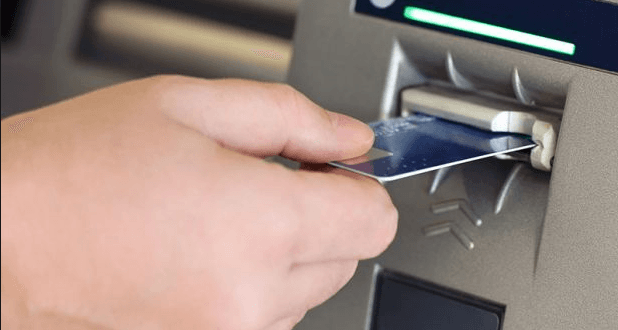

ATM machine targeted by jackpotting attacks

ATM

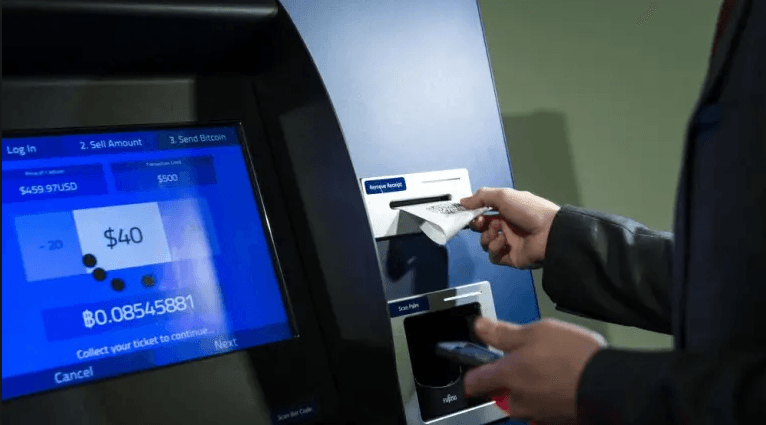
ATM Hacking Attacks Are on the Rise!

ATMs hold large amounts of cash, which keeps them in fraudsters' sights. Diebold Nixdorf and NCR report that jackpotting attacks have reached the United States. Here is what happened and what precautions can improve ATM security.

Illustration representing the advantages and disadvantages of credit cards

Credit Card

What Are the Advantages and Disadvantages of a Credit Card?

Credit cards can be a convenient way to manage income and expenses, but for those who don't know how to use them, they can become an expensive and risky product. Here are the key pros and cons to weigh before applying for one.

Screenshot of a mobile phone showing a digital payment screen, illustrating digitalization and payment systems

Merchant & POS

A look at April 23 through the lens of digitalization and payment systems

Today is April 23, the 100th anniversary of the opening of the Grand National Assembly. Taking Children's Day as a starting point, this post looks at digitalization, Generation Z, blockchain, biometric payments and the cashless society from a payment systems perspective.

Photo illustrating the use of a prepaid card

Credit Card

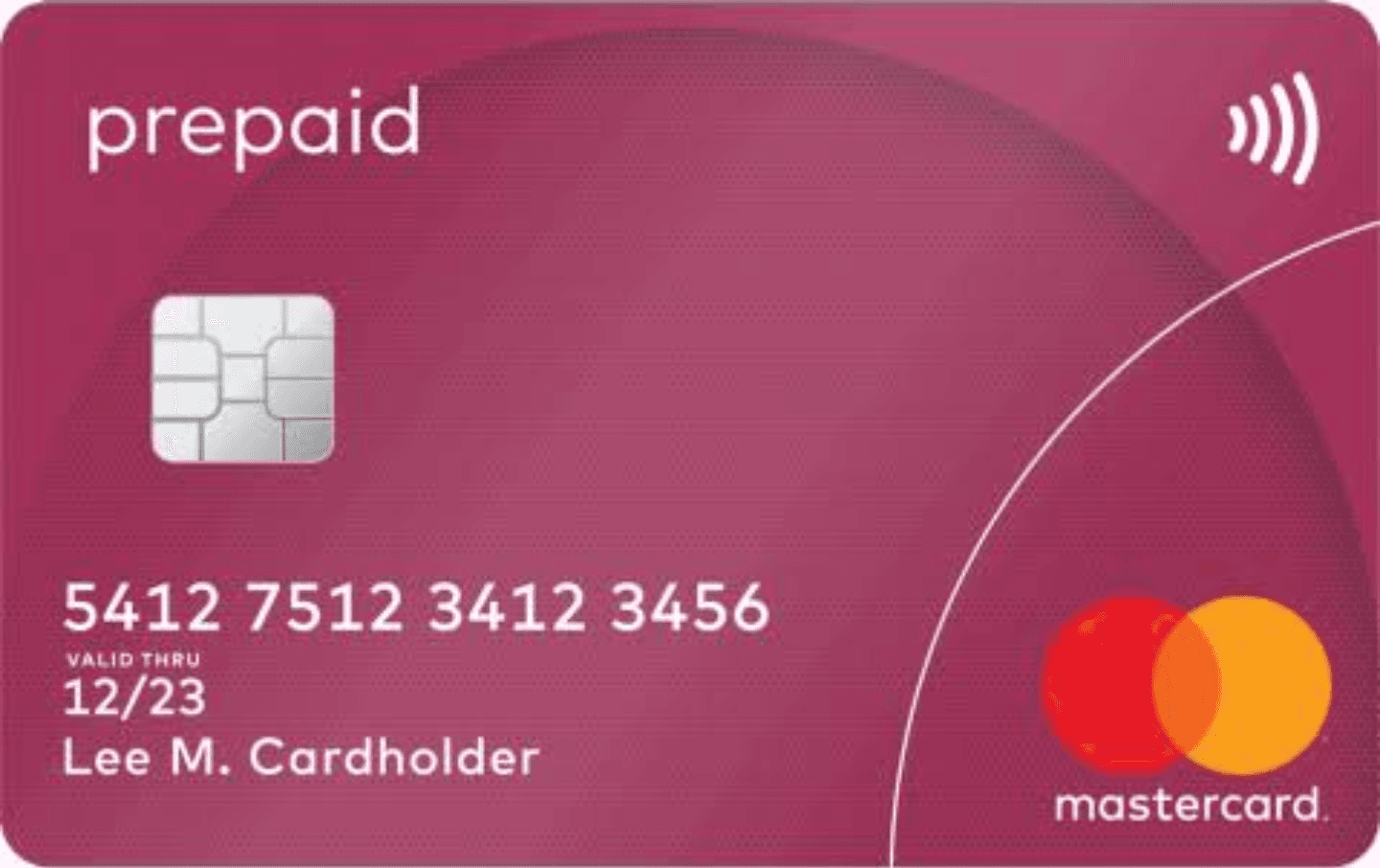
Is a Prepaid Card a Credit Card or a Debit Card?

A prepaid card may look like a debit card since it has no predetermined limit and purchases are limited to the amount loaded by the cardholder, but in terms of use and operating logic it differs significantly from both credit and debit cards.

Diagram illustrating EMV Level 1, Level 2, and Level 3 certification stages for payment terminals

Merchant & POS

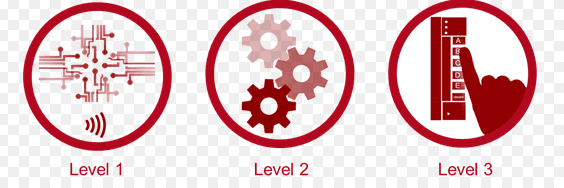
What Are EMV Level 1, Level 2, and Level 3 Certifications?

The EMV Level 1 standard refers to an important global payment industry specification defining the electrical and physical interface between credit and debit cards and the payment terminal (ATM/POS). The EMV Contactless Level 1 certification guarantees that the device…

Diagram illustrating the structure of a Bank Identifier Code (BIC)

EMV

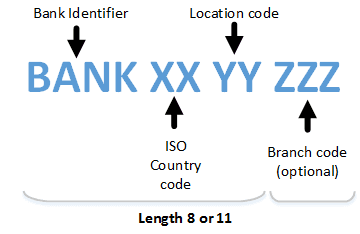
What is a Bank Identifier Code (BIC)?

BIC stands for Bank Identifier Code. It is the universal bank identification code used for automated processing in banking and related financial environments, identifying banks as specified by the ISO 9362 standard.

Diagram showing the structure of an EMV AID value split into RID and PIX sections

EMV

What is the Registered Application Provider Identifier (RID)?

RID is part of the AID value, which is structured according to ISO/IEC 7816-5 and consists of two sections: a value specific to the application provider, and an optional field used to identify different providers or products.

Diagram illustrating Terminal PIN Key (TPK) usage in POS and ATM devices

HSM & Security

What is TPK (Terminal PIN Key)?

TPK stands for Terminal PIN Key. It is a data encryption key used to encrypt PINs for transmission between a terminal and the terminal's bank (acquirer) within a local network. Learn how TPK is used in POS and ATM devices.

Roll of thermal paper used in POS terminals

Merchant & POS

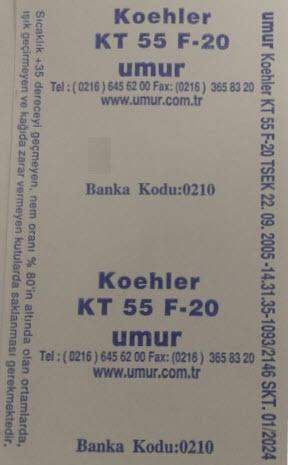
What Features Should POS Paper Rolls Have?

POS paper rolls, which seem like the simplest part of a POS terminal, must still meet certain conditions. Most of us only look at the amount on the front of the receipt, never the back.