Skip to content

Search

"Security"

379 articles found

Illustration of a smartphone used as a mobile POS payment terminal

Merchant & POS

Are POS Terminals Becoming Obsolete?

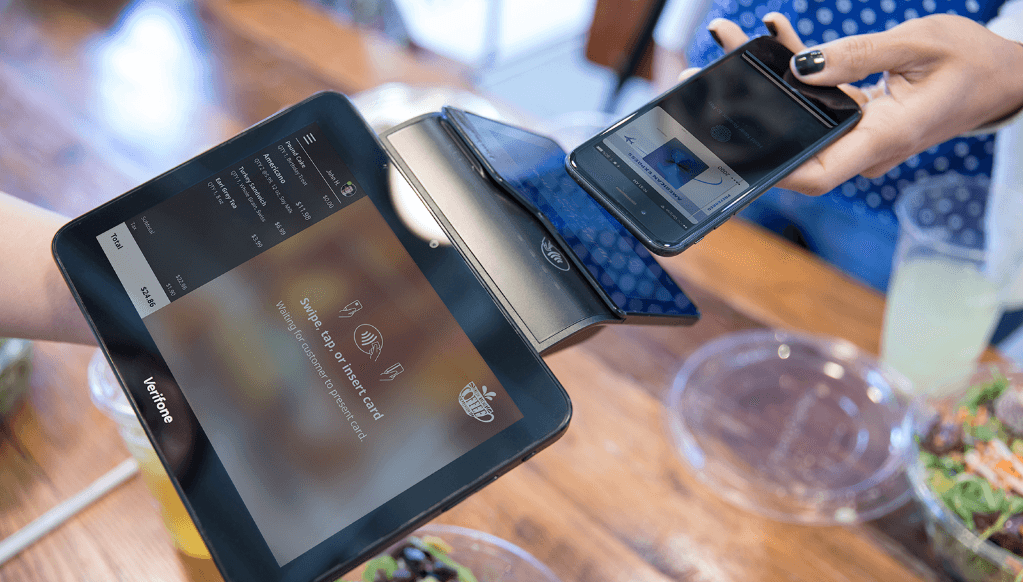
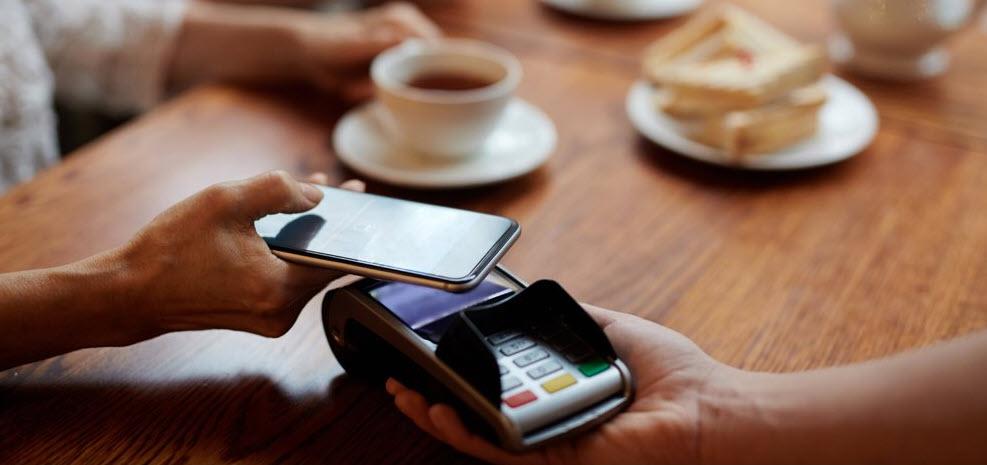
Today, as credit cards shift from physical to virtual use, a similar move has come from the POS side. We have begun to see mobile phones used as POS devices becoming a serious rival to physical POS terminals.

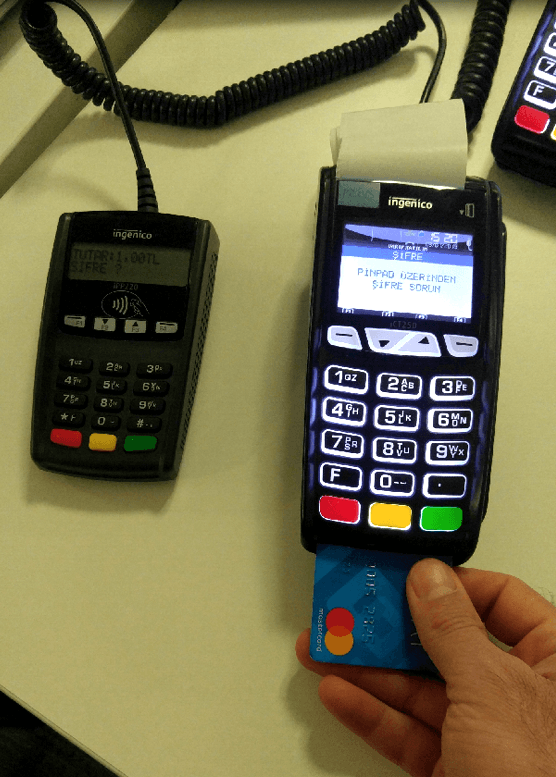
Diagram illustrating the Local Master Key (LMK) concept in an HSM

HSM & Security

LMK (Local Master Key)

LMK stands for Local Master Key. The Local Master Key (LMK) is the HSM's master key, and all other keys used by the institution are secured under this key. As transaction volume increases, banks often use multiple HSMs to reduce the load on each device.

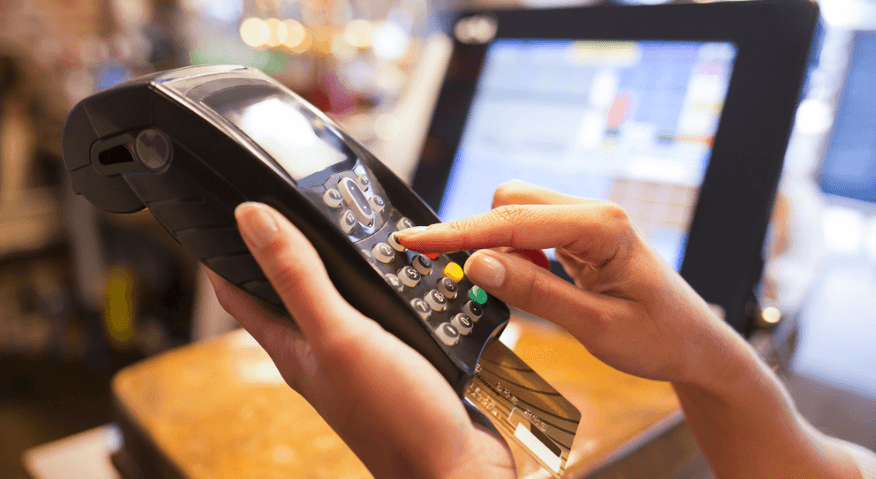
PIN pad device connected to a POS terminal

Merchant & POS

What Is a PIN Pad Device?

A PIN pad lets cardholders safely enter their PIN during POS transactions and lets contactless cards be tapped to transfer card data to the POS. Here is how it works.

Unattended self-service POS terminal used for card payments

Merchant & POS

What Is an Unattended POS?

Unattended POS is a type of POS that is not managed by merchant staff and is triggered by the customer in self-service services. Its use has increased further with the rise of mobile payments.

Illustration of Host Card Emulation (HCE) enabling contactless mobile payments

Online & Authorization

What Is HCE?

HCE lets a mobile device's operating system emulate the cards we use daily (credit, debit, gift cards, etc.) to make contactless payments via NFC. In other words, our phones behave like the cards we use for payments.

Logos of various international payment card schemes

Credit Card

What Are National and International Payment Schemes?

In the world of payment systems, just as credit cards are an indispensable product, a payment scheme is indispensable for credit cards. When a credit card product is launched, the scheme it will be issued under is decided first.

Illustration representing credit card fraud and online payment security risks

Fraud

What is Fraud? What are the Types of Fraud?

With the growth of credit and debit card usage and rising e-commerce transaction volumes, there has been a serious increase in exploiting user negligence to harm customers. Fraud means using someone else's card at a merchant or ATM to gain unjust profit.

Diagram illustrating the tokenization and detokenization process for card payments

HCE

What Are Tokenization and Detokenization?

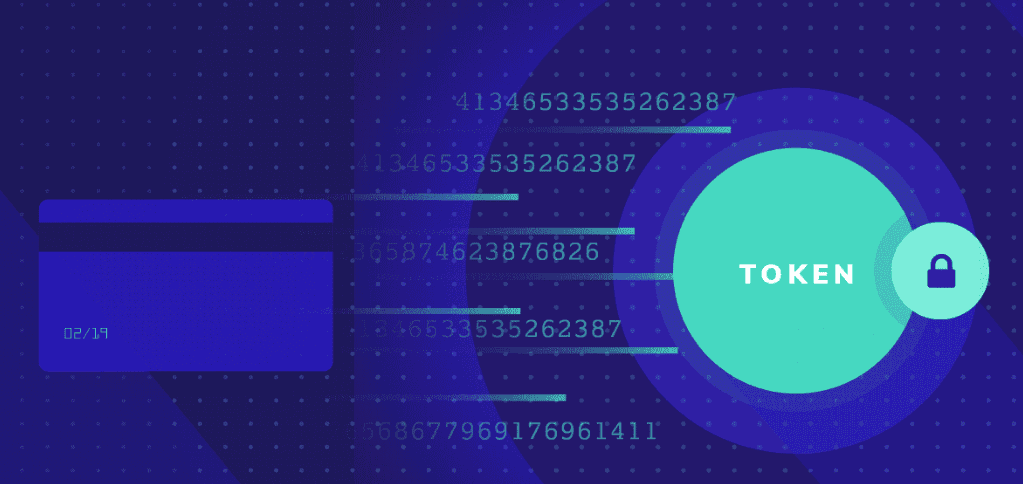
Tokenization generates secure data from a credit card number, using specific algorithms, for use during authorization. In CNP transactions, it removes the risk of storing or compromising the original card number.

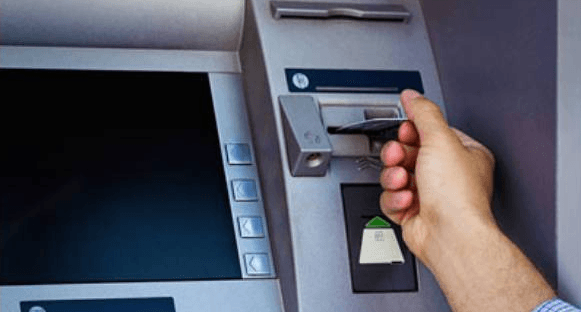
ATM PIN pad used for entering a card PIN

ATM

How is PIN verification performed at an ATM?

At payment points such as ATMs and POS terminals, the most critical step is PIN verification or verifying the customer through their identity information. However, since ATMs cannot verify a customer's identity, PIN verification becomes more important. So how is it performed?

Illustration of a Card Not Present (CNP) online payment transaction

Credit Card

What Is a CNP (Card Not Present) Transaction?

CNP refers to a transaction made through a website or a company's own app payment page, where the card is not read by any device and its details are entered manually. It is short for Card Not Present.

Diagram showing the structure of ISO 8583 field F48 (Additional Data)

ISO 8583

ISO 8583 Field Descriptions (F48)

DE 48 - ADDITIONAL DATA: these are additional data fields that can be used specifically for transactions. It is 255 characters long. Field F48 carries many pieces of information and is divided into PDS (Private Data Subelements).

ISO 8583 field 64 message authentication code

ISO 8583

ISO 8583 Field Descriptions (F64)

F64 — Message Authentication Code (MAC): verifies the origin and text of the message between the sender and the receiver.