Merchant & POS
What Is a Marked-Up Exchange Rate?
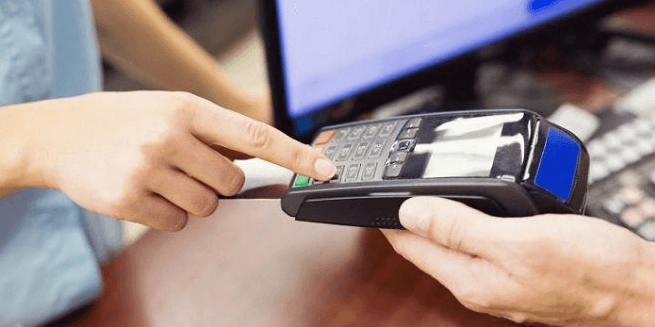
In payment systems, exchange rate information is used in two places: POS devices that support foreign currency transactions, and credit card transactions made in a foreign currency (usually abroad).
Search
215 articles found
Merchant & POS
In payment systems, exchange rate information is used in two places: POS devices that support foreign currency transactions, and credit card transactions made in a foreign currency (usually abroad).

Credit Card
Credit cards can be a convenient way to manage income and expenses, but for those who don't know how to use them, they can become an expensive and risky product. Here are the key pros and cons to weigh before applying for one.

Debit Card
A contactless transaction is a fast, secure payment made between a chip card and a POS device without direct contact, without the card's chip or magnetic data being read through the card reader. Can this be done with a debit card (ATM card)?

Credit Card
EMV chip cards contain a small, powerful microprocessor that provides enhanced security, faster transactions, and support for loyalty programs. VSDC is Visa's chip-based solution; M/Chip-Lite is Mastercard's low-cost equivalent for banks starting their chip migration.
Credit Card
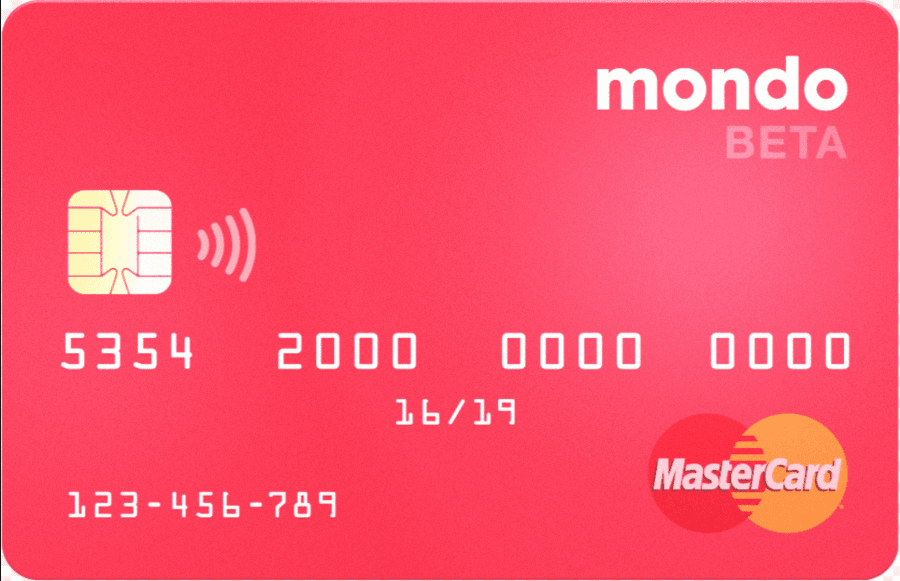
A prepaid card is a customized chip or chipless card that is not linked to a bank account and has no credit limit like a credit card. You can only spend up to the amount loaded onto the card.
Contactless
Updated info: this article describes the limit at the time it was published. For the current contactless (PIN-free) transaction limit, see the linked article. A 1,000 TL contactless transaction is technically possible, but banks won't take that risk.

HSM & Security
In the past, banking meant going to a branch. Today, most transactions run through channels such as the Internet Branch, ATM and Mobile Branch, so improving internet banking security and regularly informing customers about it is important.
Merchant & POS
Banks check merchants against a termination list before issuing a POS device. Learn the main reasons, such as counterfeit card acceptance, excessive chargebacks, and fraud, that can lead a bank to terminate a merchant agreement.
EMV
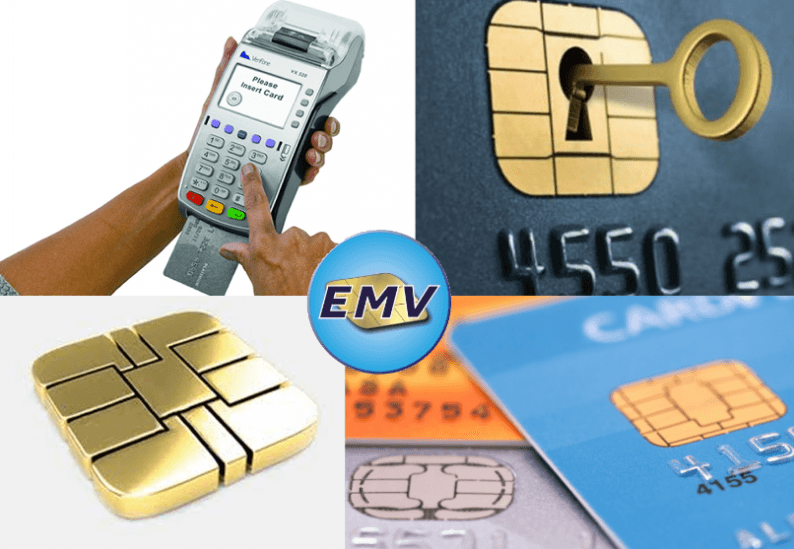
An EMV Issuer Script is a system that lets the issuer (the institution that issues the card) update and change the parameters and values on the card chip while it remains in use, reducing fraud over the card's lifetime.
Merchant & POS
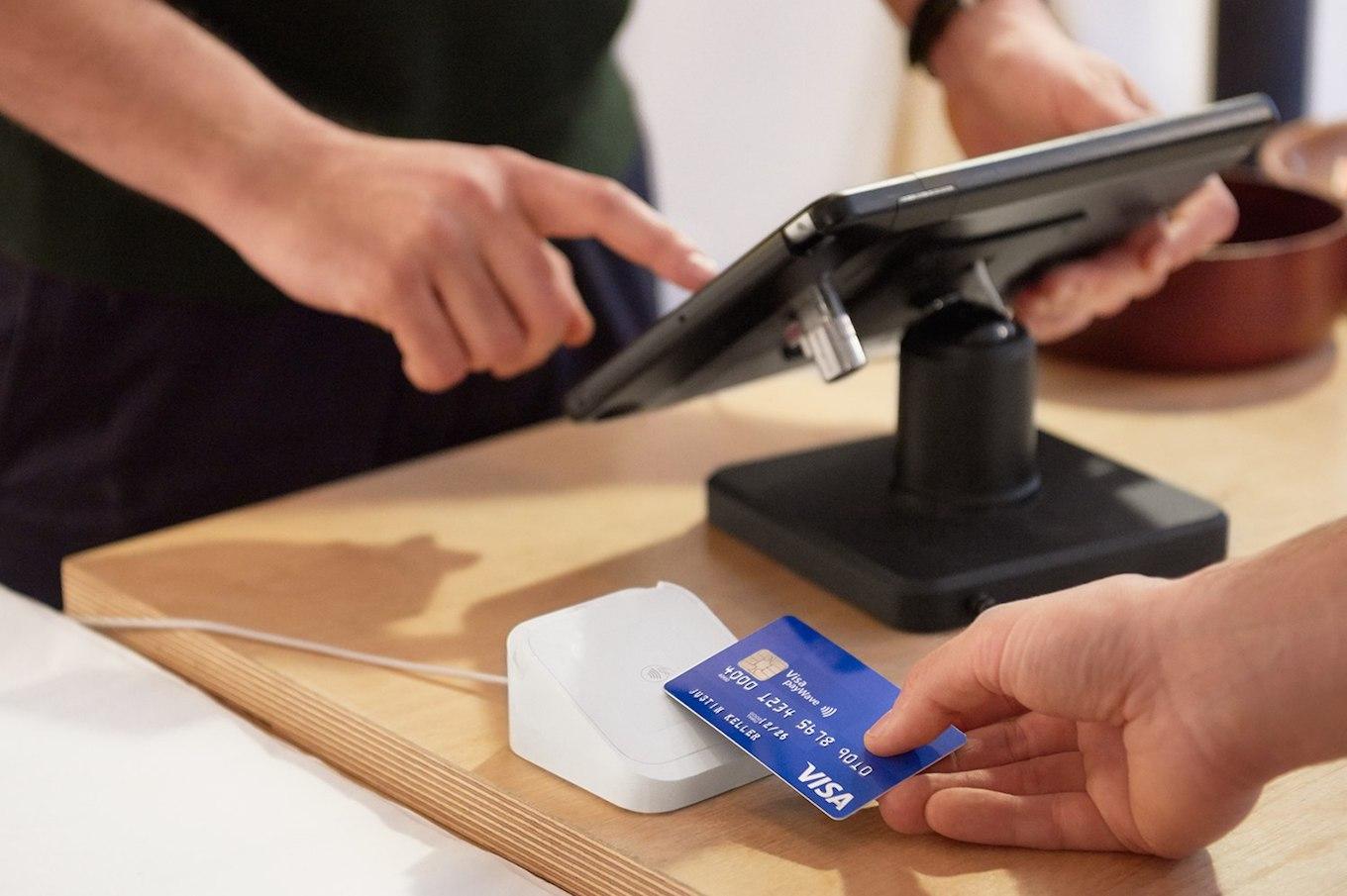
The Upper Consecutive Offline Limit is the maximum number of consecutive offline transactions allowed by the issuer's chip card application on a terminal that cannot go online. It is held in tag 9F23.
Credit Card
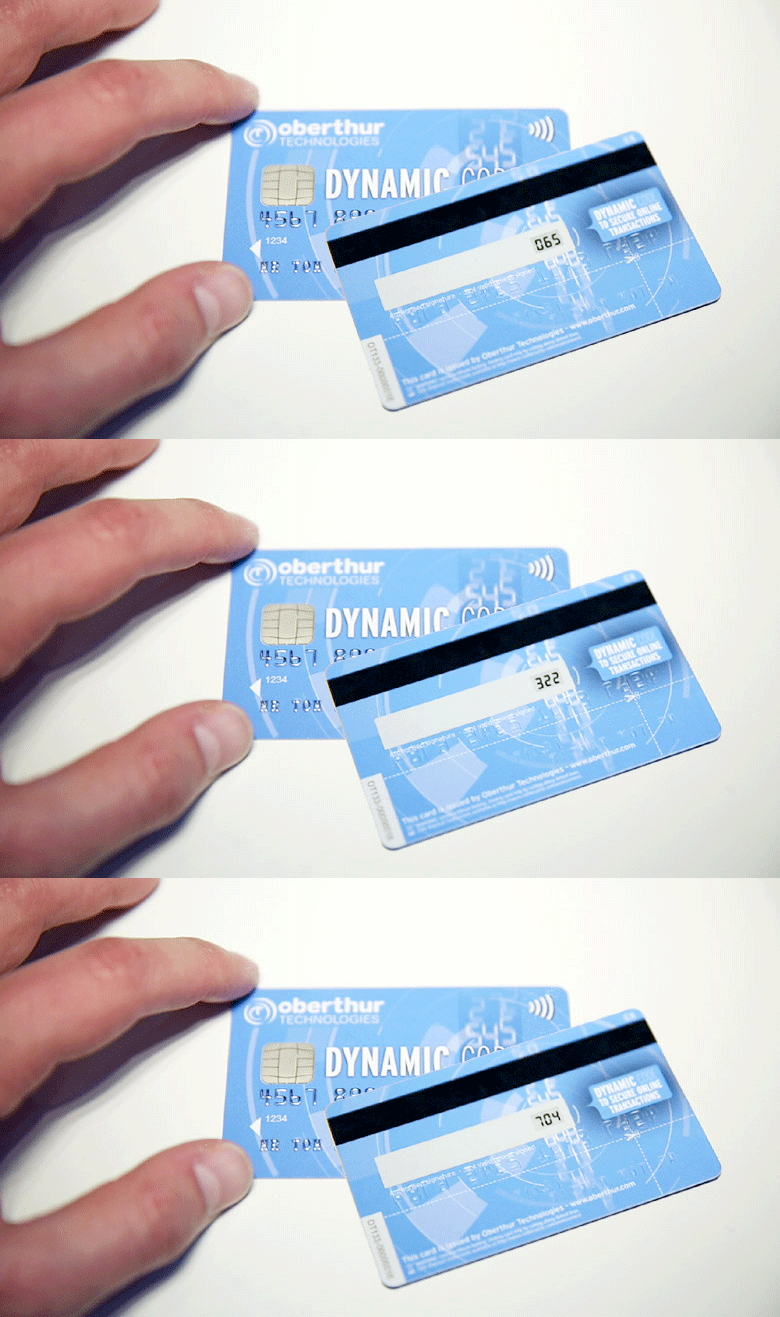
It is a CVV2/CVC2 code that changes every few minutes instead of the static code printed on the back of a credit card, aimed at reducing fraud risk in CNP (Card Not Present) transactions.
Merchant & POS
Multicurrency POS refers to POS devices that can process transactions in foreign currencies (USD, EUR, GBP, etc.) in addition to Turkish Lira. Merchants using a MultiCurrency POS can process transactions in different currencies for international cardholders.