
Online & Authorization
Application Version Number
The Application Version Number is the version number of the application on the card. For example, the Visa VSDC application version number is 131, and the Mastercard M/Chip Lite version number is 2.
Search
295 articles found
Online & Authorization
The Application Version Number is the version number of the application on the card. For example, the Visa VSDC application version number is 131, and the Mastercard M/Chip Lite version number is 2.

ISO 8583
F124 (Private Additional Data) contains additional information specific to the transaction, such as Card Update Failure Code and Status, cardholder name in money transfers, and keys in network management messages.

Merchant & POS
A reader asks whether a payment request taken at a customer's request should be sent as an e-commerce transaction, and what really separates Mail Order from E-commerce authorization.
Merchant & POS
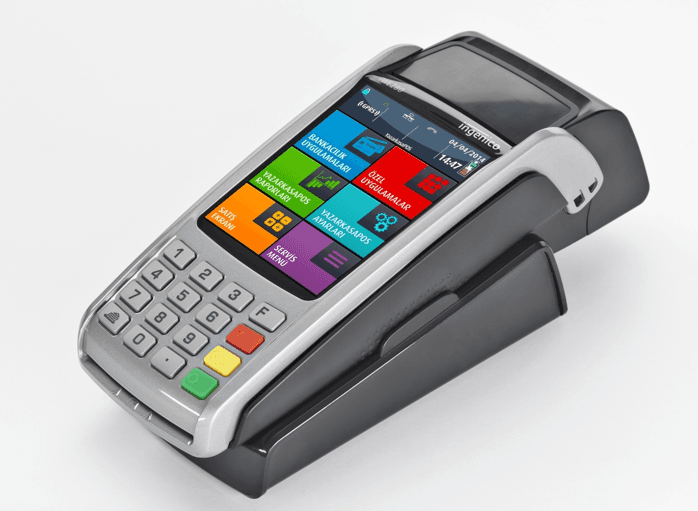
Transaction types that can be made with a card through a POS: Magnetic Sale, EMV (Chip) Sale, Fallback Sale, Offline EMV Sale, Mail Order, and Ecommerce Sale, each explained in detail below.

Security
Fraud cases where scammers pose as bank staff or other institution employees to obtain citizens' banking information have increased significantly recently. Interestingly, the new fraud trend closely mirrors the steps of a genuine banking procedure.

Merchant & POS
It's important to first distinguish between magnetic-stripe and fallback transactions. A magnetic-stripe transaction skips the chip entirely, which lowers its security level compared to a fallback transaction.
Merchant & POS
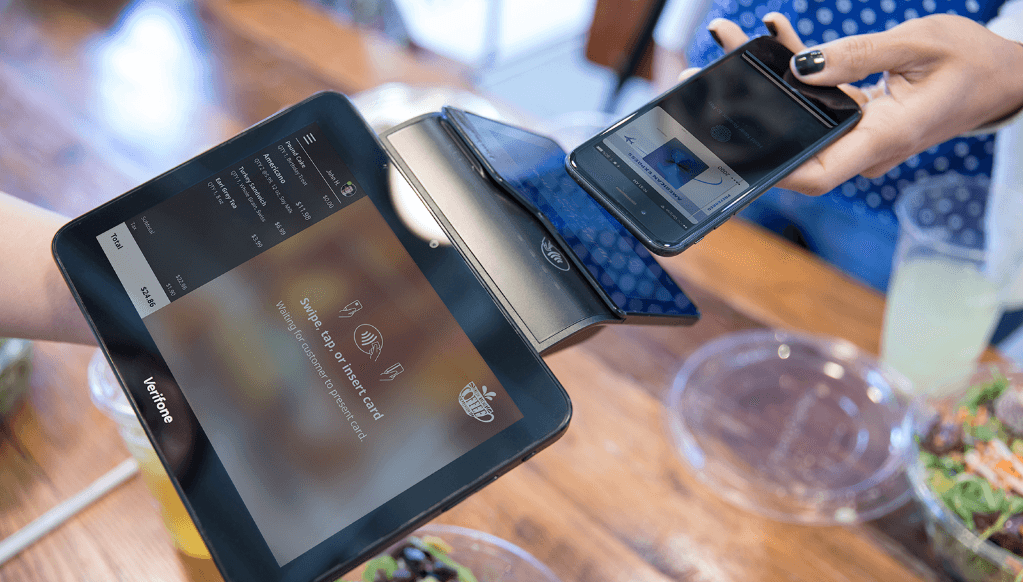
Magnetic Secure Transmission (MST) is a mobile payment technology in which devices such as smartphones emit a signal that mimics the magnetic stripe on a traditional payment card, letting a physical card's POS use be imitated without upgrading terminal software or hardware.

Credit Card
EMV chip cards contain a small, powerful microprocessor that provides enhanced security, faster transactions, and support for loyalty programs. VSDC is Visa's chip-based solution; M/Chip-Lite is Mastercard's low-cost equivalent for banks starting their chip migration.

Credit Card
iCVV stands for Integrated Circuit Card Verification Value. To prevent fraud, it is a CVV value generated similarly to the card's track data and stored on the card's chip. Visa uses the term iCVV; MasterCard and American Express use their own equivalents.

HSM & Security
PEK is the abbreviation for Pin Encryption Key. The role of PEK is to encrypt PINs. There are two types of PEK: TPK (Terminal Pin Key) and ZWK (Zone Working Key).
Merchant & POS
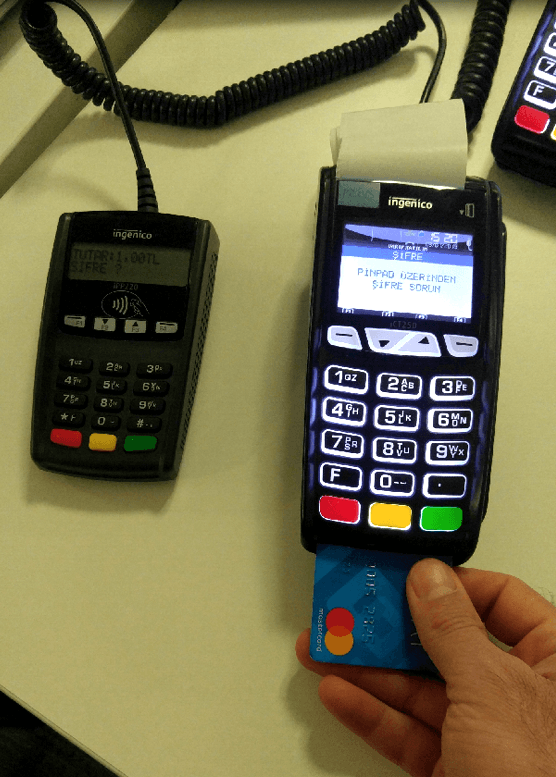
A PIN pad lets cardholders safely enter their PIN during POS transactions and lets contactless cards be tapped to transfer card data to the POS. Here is how it works.
Merchant & POS
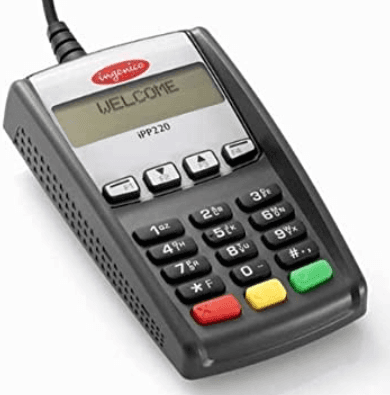
Pin Entry Device is another name for the PIN pad device we all know and use daily. It makes it easier for users to enter their card PIN during POS transactions with credit or debit cards, and is used for contactless card reading...