Skip to content

Search

"payment systems"

348 articles found

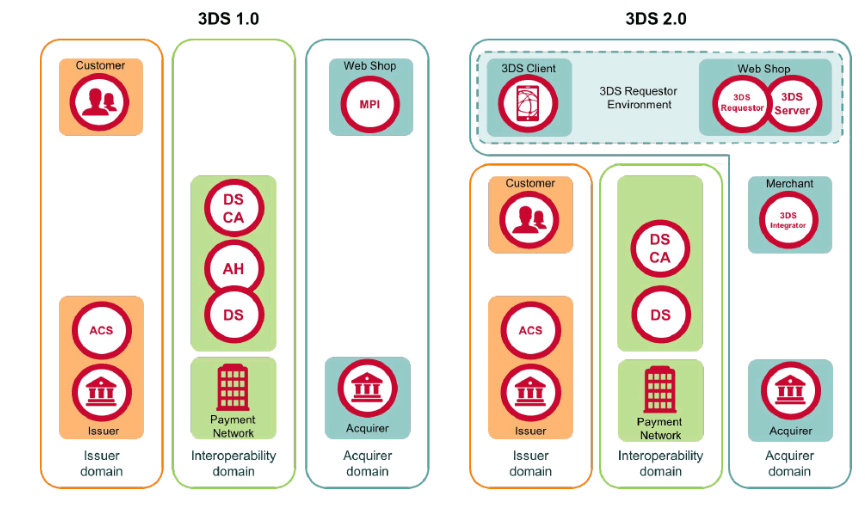
Architecture of 3DS 1.0 compared with 3DS 2.0, showing the issuer, interoperability and acquirer domains

Security

What Is 3D Secure 2.0?

Before 3D Secure 2.0, let's explain what 3D Secure is. 3D Secure is a two-layer payment authentication system that protects both the cardholder and the merchant in online payments. First released by Visa in 1999, it was later adopted by other card schemes…

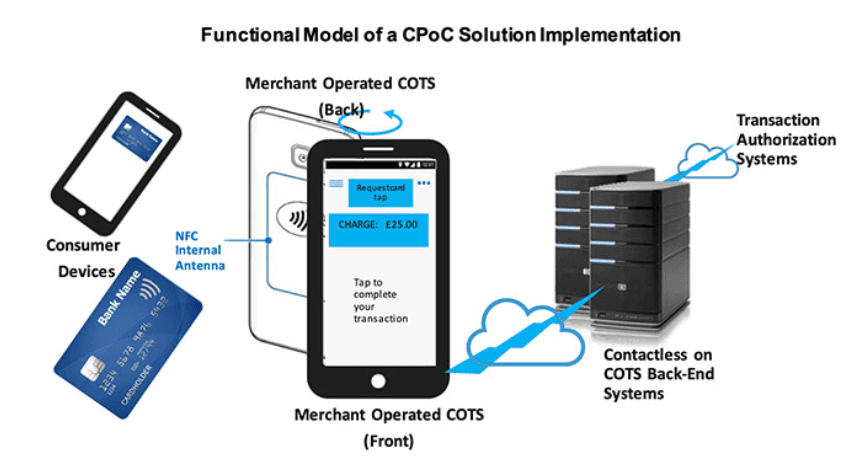
Diagram illustrating open banking, where customer financial data is shared with fintech companies through APIs

Payment Institutions & E-Money

What Is Open Banking?

Open banking means sharing customers' financial information with a third-party fintech company so that a range of banking and financial services can be offered to them. It works through API integrations. This post covers its status in Turkey and the new BRSA regulation.

Smartphone and Android POS device used as commercial off-the-shelf (COTS) devices for accepting payments

Online & Authorization

What are Commercial Off-the-Shelf Devices (COTS)?

Commercial off-the-shelf (COTS) products and services are ready-made, packaged solutions adapted to a purchasing organization's needs, rather than custom-built ones. In payment systems, COTS includes ready-made payment apps for phones and Android POS devices.

Illustration representing recurring subscription payments with a credit card

E-commerce

What is Recurring Payment?

Transactions paid at regular intervals can be defined in the system so that only the installment amount blocks the credit card limit; these are called recurring transactions, used for subscriptions or automatic bill payments.

Illustration explaining the concept of the first online transaction after a card PIN change

Merchant & POS

What Does First Online Transaction Mean?

In payment systems, an online transaction means the transaction is sent to the card or POS/ATM bank at the moment it occurs, and required checks are obtained from that system. So does every transaction happen online? Of course not. Especially with contactless...

Diagram illustrating the Easy Addressing System (KOLAS) within Turkey's FAST payment network

FAST

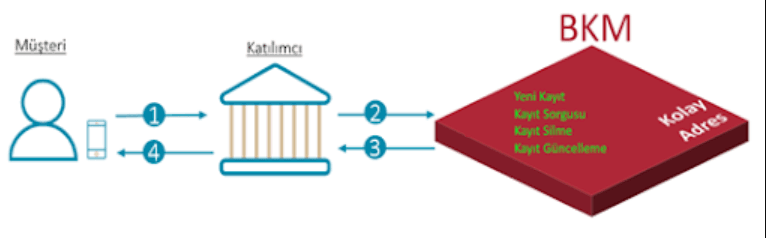
What is the Easy Addressing System (KOLAS)?

The Easy Addressing System (KOLAS) is one of the layered services of FAST, the Central Bank's instant funds transfer system, developed and operated by BKM. It lets users send money via phone number or email instead of an IBAN.

NFC near field communication ISO/IEC 18092 illustration

Payment Systems

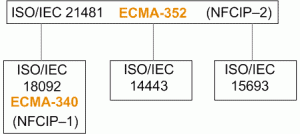
What Is ISO/IEC 18092/ECMA-340?

NFC is a data transfer technology developed by Sony and Philips in late 2002 and adopted as an ISO/IEC standard in 2003. ISO/IEC 18092/ECMA-340 (NFCIP-1) is one of the two globally accepted NFC standards.

Diagram explaining the System Trace Audit Number (STAN) field in a payment transaction

Merchant & POS

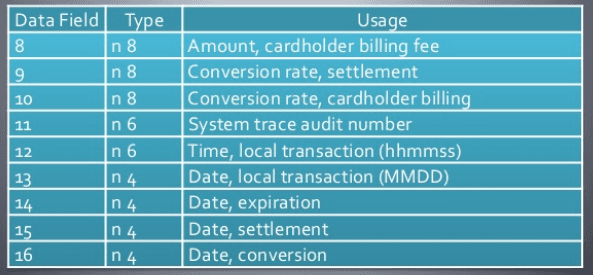
What is a System Trace Audit Number (STAN)?

The System Trace Audit Number (STAN) is a number assigned by the third-party system (ATM or POS) to help uniquely identify a transaction. It is generated in the range 000001 to 999999. Each new authorization message needs a new STAN; retries reuse the original STAN.

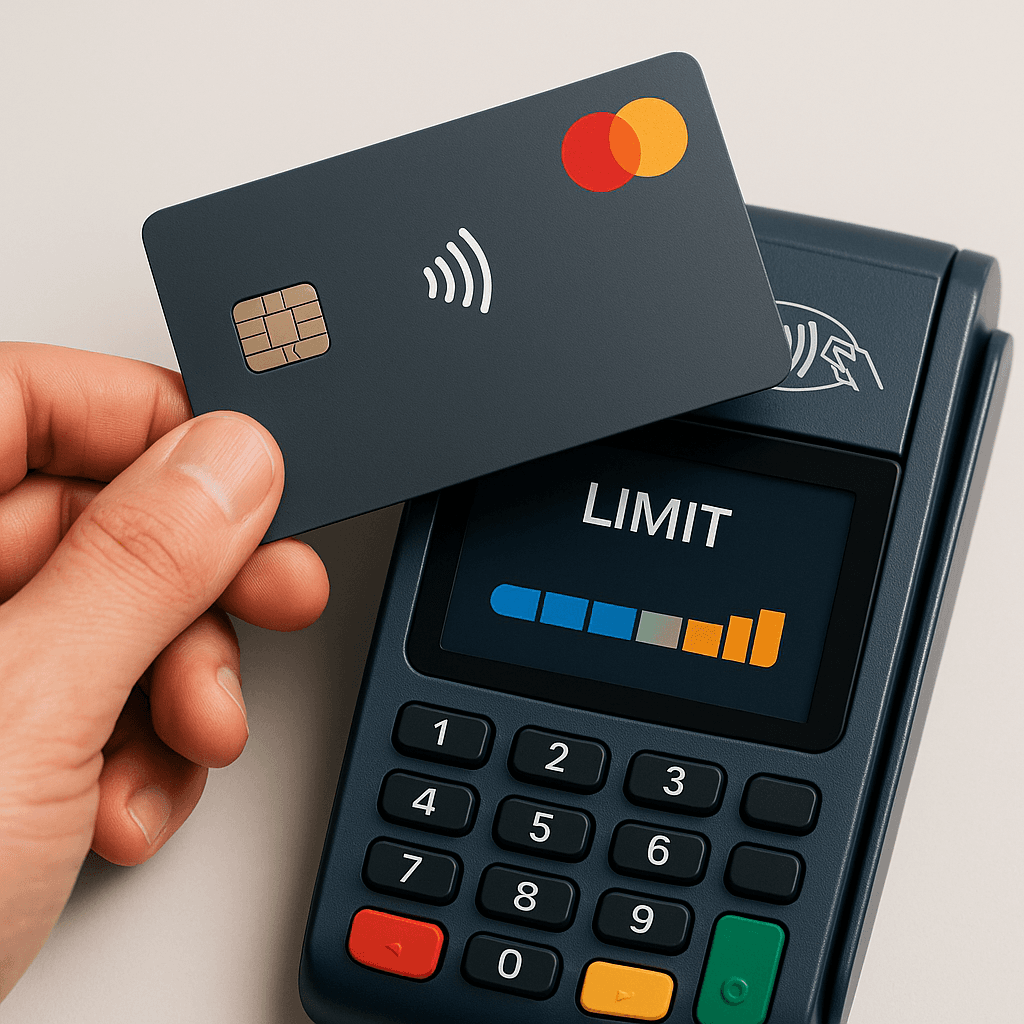
Illustration of dynamic CVM limit management for contactless card payments

Payment Systems

Dynamic CVM Limit Management Approach: A New Era in Card Security

One of the most notable recent developments in card payments is that contactless limits are no longer fixed and can be managed dynamically per customer. Mastercard and Visa are taking different but complementary approaches, and ISO 8583 may need to evolve with them.

Smart Payment Association (SPA) logo

Payment Systems

What is SPA (Smart Payment Association)?

The Smart Payment Association (SPA) is the trade association of the smart payments industry. It provides leadership and expert guidance to help members and customers realize smart, secure and personalized payment systems and services, now and in the future.

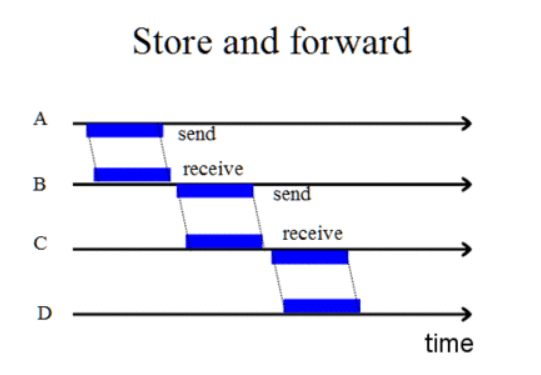
Diagram illustrating the Store and Forward (SAF) offline transaction process

Payment Systems

What is Store and Forward (SAF)?

Store and Forward (SAF) describes offline transaction processing. It was originally developed when modems were introduced and connections were not always stable, letting terminals store transactions and forward them once connectivity is restored.