Skip to content

Search

"Terminal"

252 articles found

Diagram of ISO/IEC card standards defining credit card dimensions and layout

Credit Card

Standards that define credit card design and operation

When payment systems come to mind, credit cards are usually the first thing people think of. Credit cards are produced according to specific standards, both in visual design and during printing. These standards belong to the ISO/IEC 781X family.

Illustration of a money transfer being sent from one payment card to another

Credit Card

What Is a Card-to-Card Money Transfer?

Card-to-Card Money Transfer (CCMT) lets customers send money 24/7 from a credit, debit, or prepaid card to another card via ATM, internet banking, call center, or mobile app.

Example of a POS transaction receipt (slip)

Merchant & POS

Don't Dismiss the POS Receipt

In daily credit card purchases, the POS produces two receipts: the Customer Copy and the Merchant Copy. The cardholder gets the customer copy; the merchant keeps its own copy by law.

Illustration of a surcharge fee added to a card payment transaction

Merchant & POS

What is a surcharge?

A surcharge is a fee, charge, or tax added to the cost of a good or service. In payment systems, it refers to adding the merchant's transaction commission to the cash sale amount on credit card transactions, resulting in a higher charge.

Prepaid debit card not linked to a bank account

Debit Card

What Is a Prepaid Debit Card?

A prepaid card is a customized card that is not linked to a bank account and has no credit limit like a credit card - you can spend only up to the amount loaded onto it. Prepaid cards function just like a bank card or credit card.

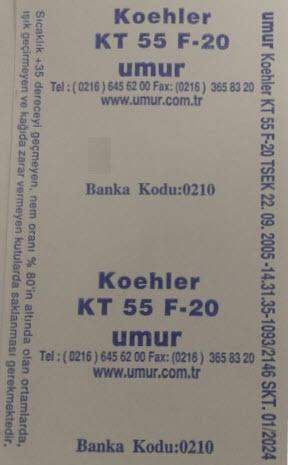
Roll of thermal paper used in POS terminals

Merchant & POS

What Features Should POS Paper Rolls Have?

POS paper rolls, which seem like the simplest part of a POS terminal, must still meet certain conditions. Most of us only look at the amount on the front of the receipt, never the back.

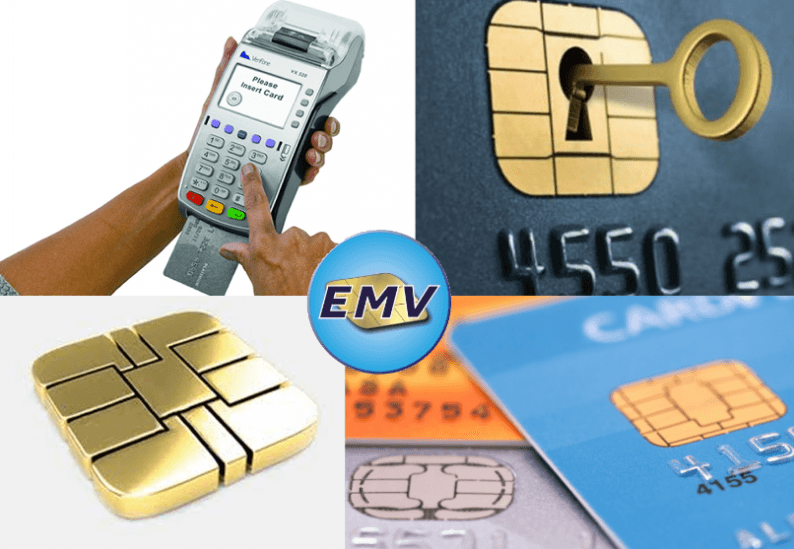
Timeline of EMV version history

EMV

What are the EMV Versions?

The history of EMV versions is given below: EMV was standardized in 1995. EMV 3.0, released in 1996, was the first widely used version, commonly known as EMV '96. In 1998, additions were made to EMV 3.0.

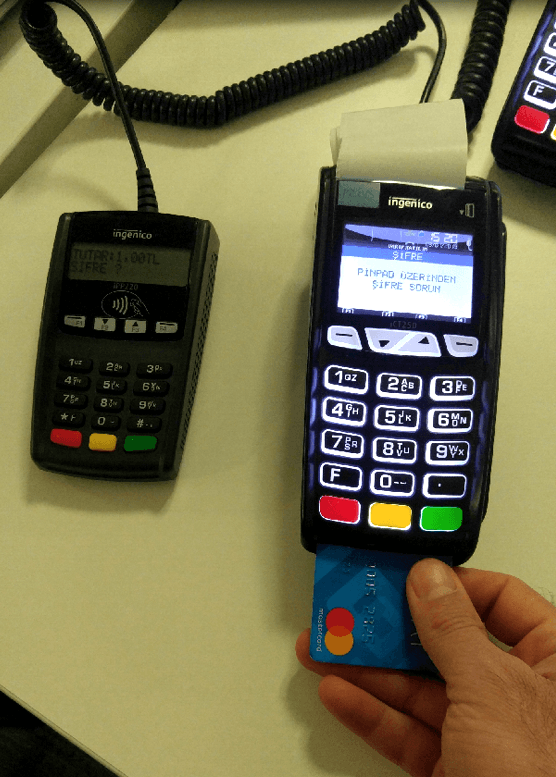
PIN pad device connected to a POS terminal

Merchant & POS

What Is a PIN Pad Device?

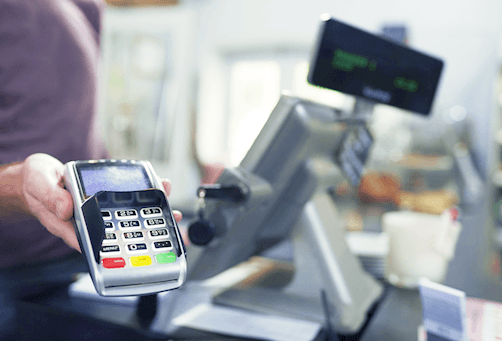
A PIN pad lets cardholders safely enter their PIN during POS transactions and lets contactless cards be tapped to transfer card data to the POS. Here is how it works.

Illustration of a new-generation smart cash register combining a fiscal device and a POS terminal

Merchant & POS

What You Need to Know About Smart Cash Registers (OKC)

A smart cash register is a new-generation, IP-based payment recording device that integrates a cash register with a POS terminal. It combines fiscal devices and POS devices in a single unit and transmits data to the Ministry of Finance in real time.

Merchant category code (MCC) and POS agreement illustration

Merchant & POS

What Should a Merchant Do When It Changes Its Line of Business?

When signing a merchant agreement, merchants declare their line of business, which banks record as an MCC (Merchant Category Code). A merchant may only sell products or services within the line of business declared to its bank.

Diagram illustrating the card authorization process

Merchant & POS

What Happens During Authorization?

Today, credit cards play an important role in our daily lives. We can carry out almost all of our transactions without carrying cash, using our credit card instead. During a purchase, we hand our card to the cashier and enter our PIN at the POS terminal.