Skip to content

Search

"ATM management"

42 articles found

Illustration representing real-time and near real-time fraud monitoring in payment systems

Fraud

What is Online (Real Time) and Near Online (Near Real Time) Fraud?

Fraud monitoring refers to tracking card transactions through scenarios to detect potential fraud and taking rapid action immediately before or after a transaction occurs - such as identifying a suspicious transaction, calling the customer, or temporarily blocking the card to prevent authorization.
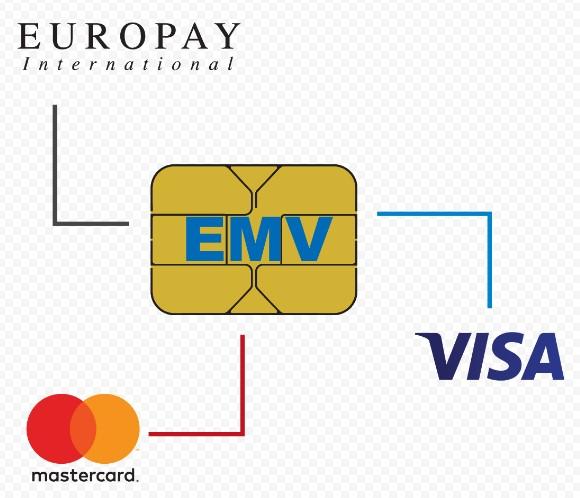

Diagram illustrating how bank fraud detection systems analyze transactions

Fraud

How Do Fraud Applications Work?

Fraud management is used to detect possible fraud on customer accounts and provides additional security for transactions when necessary, making it one of the top priorities for banks.

EMV chip card illustration

Online & Authorization

What is EMV?

EMV stands for Europay, Mastercard and Visa. In 1994 these companies formed a working group to set chip-card standards, leading to the EMV standards used worldwide today.

Conceptual illustration of a brain-computer interface chip connected to a human brain

Payment Systems

What Could Neuralink Change in Payment Systems?

Elon Musk was set to unveil Neuralink, a brain-computer interface. What is Neuralink, and how might payment systems change if payments, cards, ATMs and POS devices move from phones to a chip in the brain?

Illustration of the internal cash tower unit inside an ATM

Payment Systems

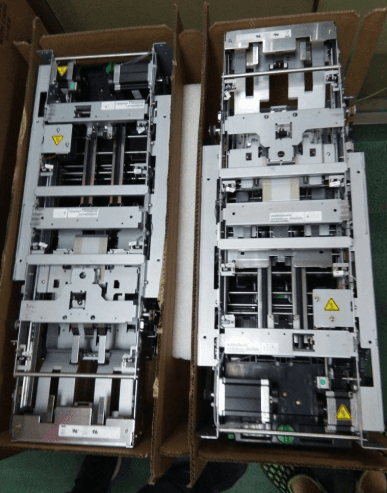
What is a tower?

In payment systems, the tower is the section inside an ATM where cash is physically stored. It contains cassettes holding different banknote denominations, a mix cassette for mismatched notes, and various security mechanisms protecting the cash.

Diagram showing payment systems components managed in-house by a bank

Merchant & POS

What Is 'In-house' in the World of Payment Systems?

In-house is a term widely used in the world of payment systems. It means that payment systems applications are managed end-to-end within the bank's own systems, both in terms of code and process.

Diagram of a twin tower ATM with separate recycler and dispenser units

ATM

What Is a Twin Tower ATM?

A twin tower ATM, also called a dual tower ATM, has both a recycler unit for depositing and withdrawing cash and a dispenser unit for withdrawals only, cutting cash replenishment needs at busy locations.

Illustration of digital transformation in payment systems

Merchant & POS

How Digital Are You in Payment Systems?

Digitalization has brought major change to payment systems, just as it has to every area of our lives. Its biggest impact has been turning the financial world into something virtual, spanning IoT, mobile payments, blockchain and biometrics.

Istanbulkart transit and payment card

Credit Card

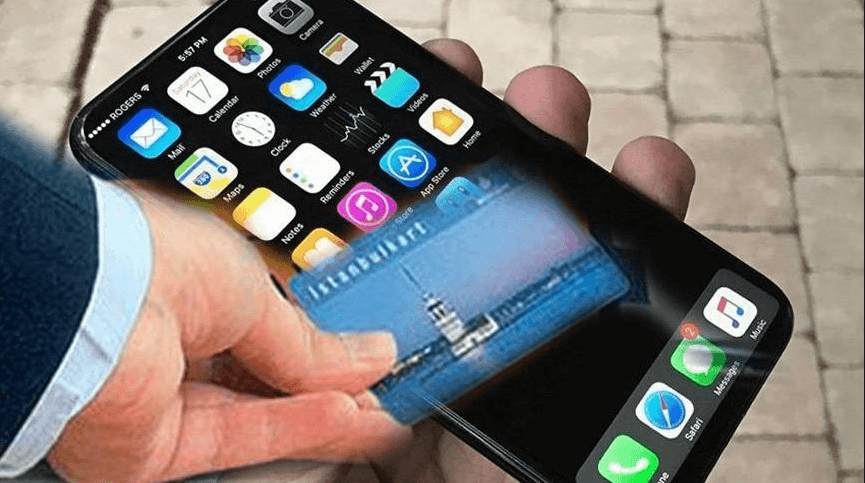
Istanbulkart: Both Transit Card and Payment Card

When I think back to the Akbil I used when I first arrived in Istanbul, I think it's fair to say that Istanbulkart has undergone a very significant transformation. Users can now track activity, top up and view balances right from their phones.

Illustration of an ATM cash dispenser showing the retract and reject cash compartments

ATM

What Is Retract?

Retract is a term used in ATM systems. When cash already presented to the customer is not taken, it is diverted into a compartment called retract, as opposed to the reject compartment used for unusable banknotes.

Visa PIN security program guide illustration

Security

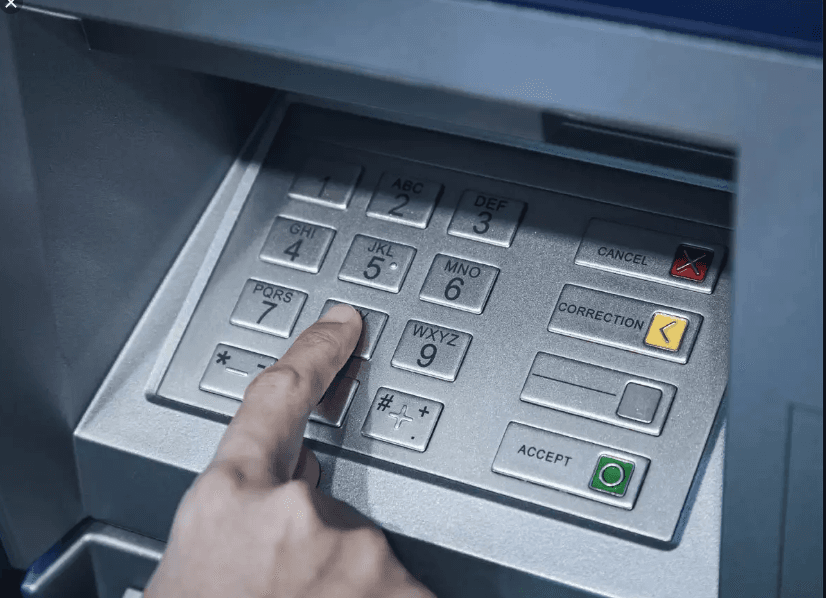
What Is the Visa PIN Security Program Guide?

The Visa PIN Security Program Guide describes the security and procedural requirements for acquirers and their agents that process PIN data or manage keys for PINs associated with Visa transactions.