This is a term used in the ATM system within payment systems.
In transactions carried out at an ATM;
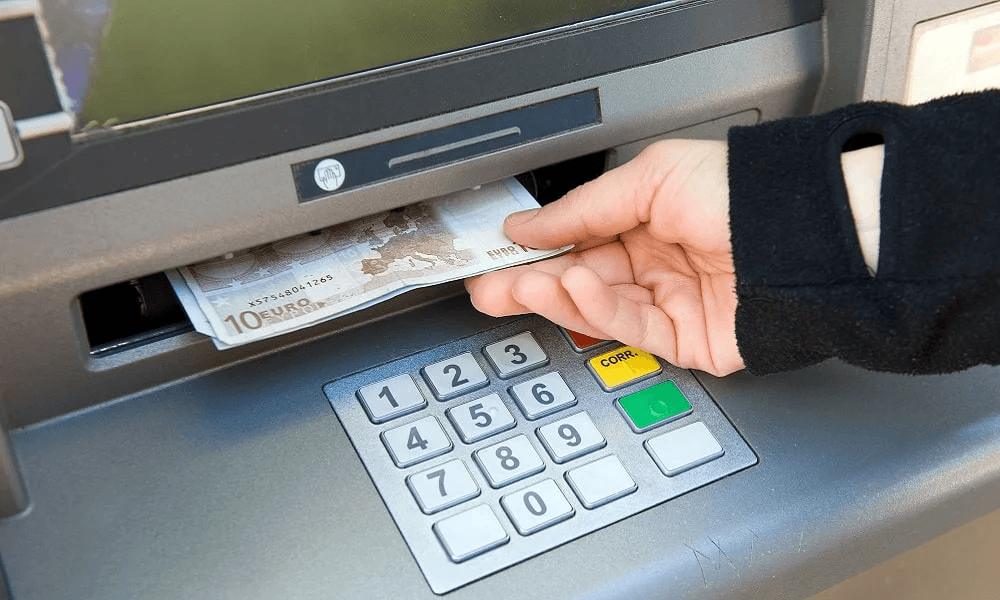
To examine this situation, the cash is diverted into a compartment. This compartment is called retract. The term retract can also be translated as 'withholding.' Retract is the customer's safekeeping box, while Reject is the ATM's waste bin.
So whose money is the money in Retract?
The precondition for cash being moved into retract is that the cash must already have been presented to the customer. If the cash was presented to the customer and the customer could not take it for some reason (the shutter malfunctioning, the customer not taking the cash, etc.), it is the customer's money and is diverted into retract. The retract cassette is checked based on the complaint record received from the customer.
How does the operations side manage the difference between retract and reject?
From a cash management perspective, the two cassettes produce different outcomes. Banknotes in the reject cassette are considered damaged or suspicious and are never presented to the customer at all; this cash is tracked as the ATM's own counting error. Banknotes in the retract cassette, on the other hand, were presented to the customer but not taken, so they need to be matched against the account transaction.
When the cassette is emptied, the count result is compared with the ATM's electronic journal (EJ) and the bank's transaction records. If the customer did not take the cash, the amount is refunded to the account. This check is important both for resolving customer complaints and for preventing discrepancies in ATM cash reconciliation.