Skip to content

Search

"Reject"

40 articles found

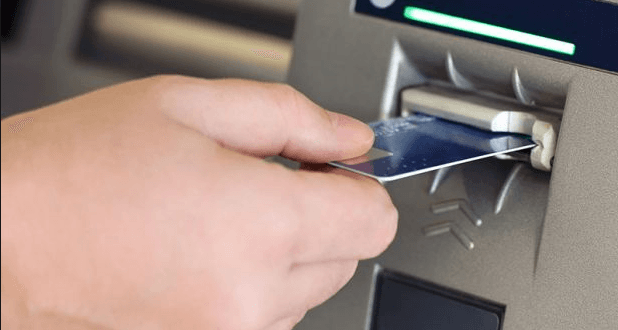
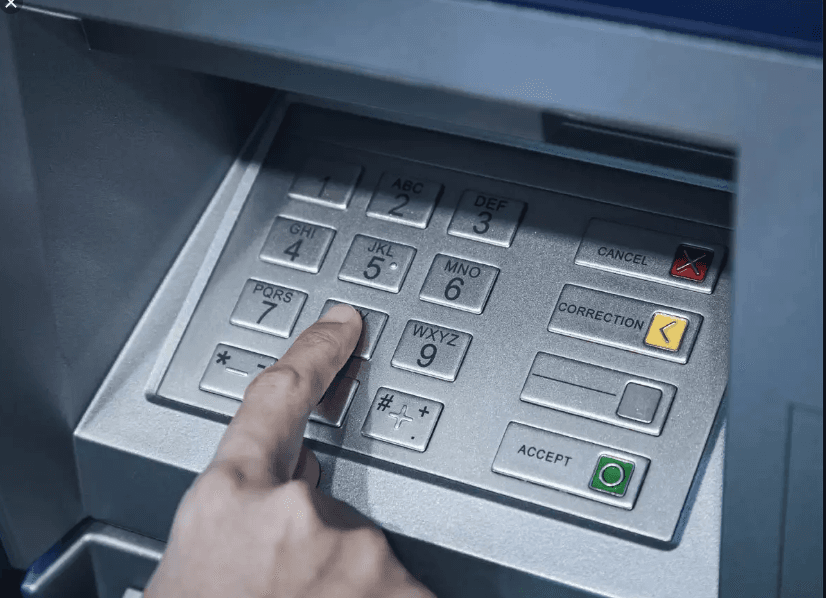
Diagram explaining the ATM reject bin where unaccepted banknotes are deposited

ATM

What Is Reject (the Reject Bin)?

It's a term used in ATM systems within payment systems. In ATM transactions, cash in question is placed into a separate compartment for review, called the reject bin. Retract is the customer's holding bin; reject is the ATM's reject bin.

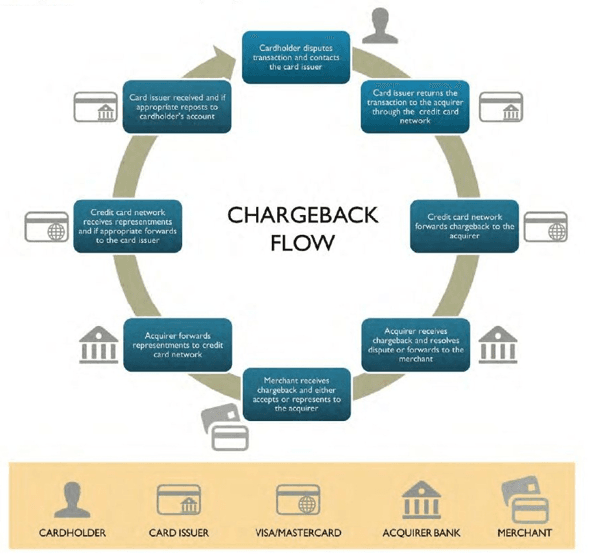
Flowchart showing the chargeback dispute process between cardholder, issuer, and merchant

Chargeback

What is a chargeback?

A chargeback is the process of refunding an amount back to a credit card when goods or services paid for are not received, or when transactions not carried out by the cardholder are identified. It is translated into Turkish as reverse presentment.

Diagram explaining ISO 8583 message types 200 and 210

Payment Systems

What Are 200 and 210 Messages Used For?

Message 200 is generated for transactions initiated from POS applications, and the acquiring bank responds with message 210. Learn how 100/110 messages route approvals via the issuing bank, and common rejection reasons.

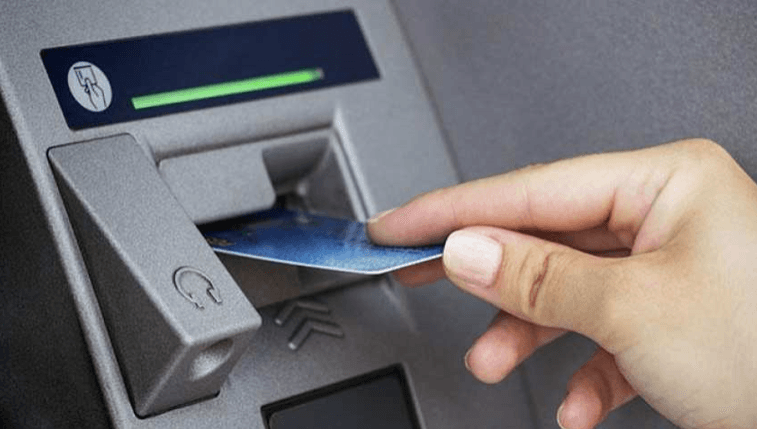
Illustration of an ATM cash dispenser showing the retract and reject cash compartments

ATM

What Is Retract?

Retract is a term used in ATM systems. When cash already presented to the customer is not taken, it is diverted into a compartment called retract, as opposed to the reject compartment used for unusable banknotes.

Illustration representing Merchant Category Code classification for card transactions

Merchant & POS

What Does a Restricted/Prohibited MCC Mean?

The MCC code, or Merchant Category Code, is a 4-digit code used to classify merchants. Some MCC codes are restricted or prohibited, and POS terminals or card transactions may be blocked when such a code is used.

Diagram illustrating the card payment arbitration process

Chargeback

What is Arbitration?

Arbitration, by definition, is a dispute resolution method in which disputes are settled by arbitrators the parties choose themselves, rather than by official courts. In payment systems, it follows a chargeback when the issuer and acquirer cannot agree.

Illustration representing real-time and near real-time fraud monitoring in payment systems

Fraud

What is Online (Real Time) and Near Online (Near Real Time) Fraud?

Fraud monitoring refers to tracking card transactions through scenarios to detect potential fraud and taking rapid action immediately before or after a transaction occurs - such as identifying a suspicious transaction, calling the customer, or temporarily blocking the card to prevent authorization.