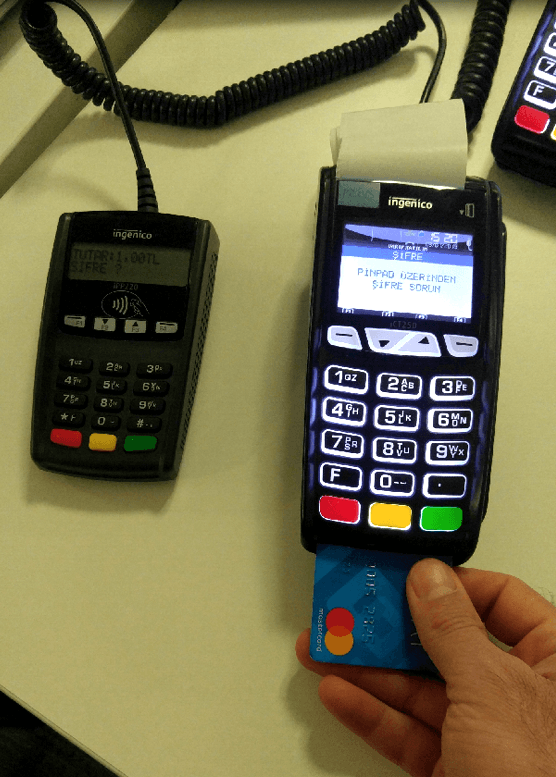
Merchant & POS
What Is a PIN Pad Device?
A PIN pad lets cardholders safely enter their PIN during POS transactions and lets contactless cards be tapped to transfer card data to the POS. Here is how it works.
Search
68 articles found
Merchant & POS
A PIN pad lets cardholders safely enter their PIN during POS transactions and lets contactless cards be tapped to transfer card data to the POS. Here is how it works.
Payment Systems
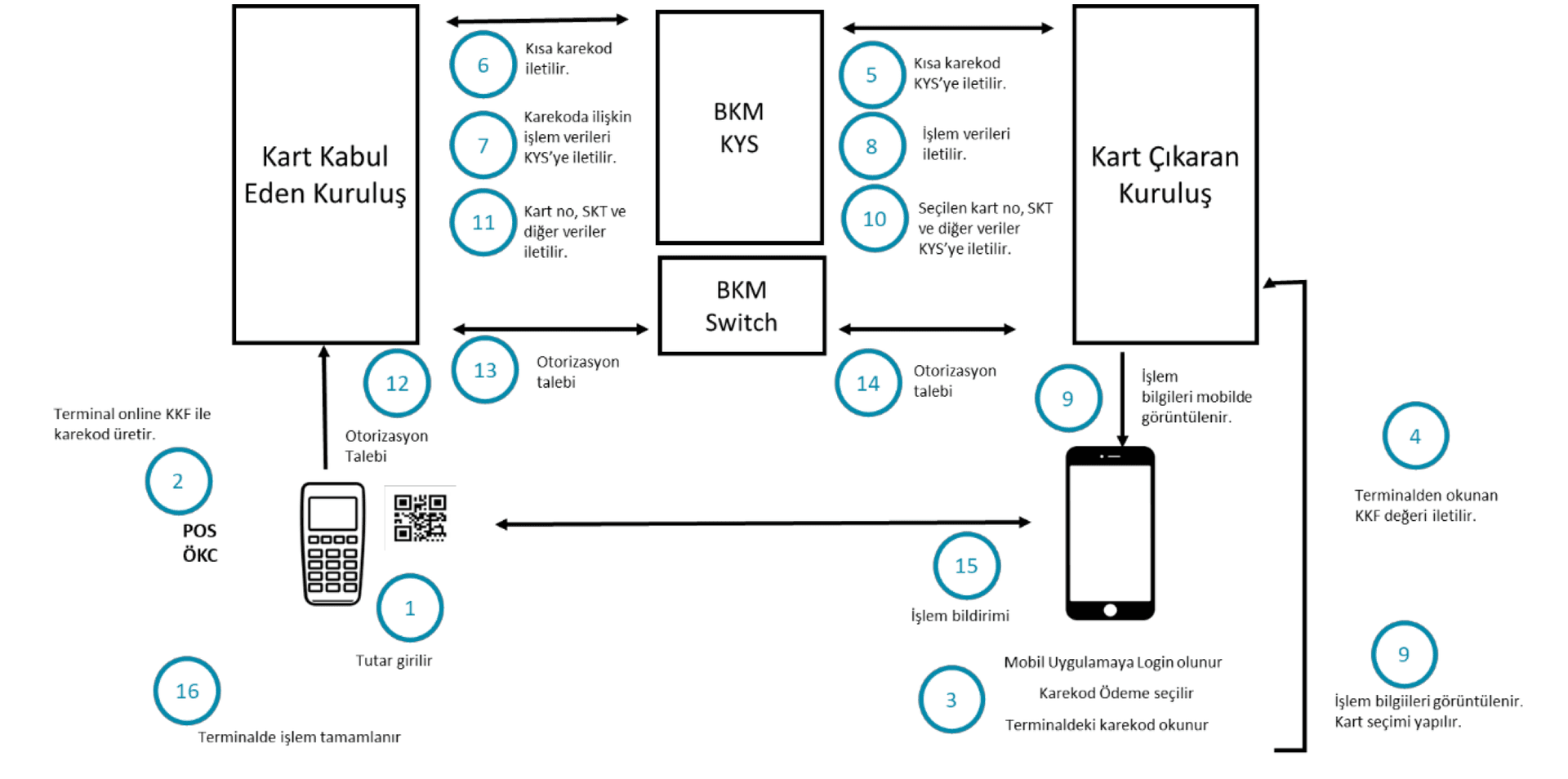
In payment or cash withdrawal transactions, the TR QR Code is generated by the POS or ATM. The card issuing bank must build its systems to read and act on this code. Errors usually stem from mishandling the long and short QR code flows, which are explained here.
HSM & Security
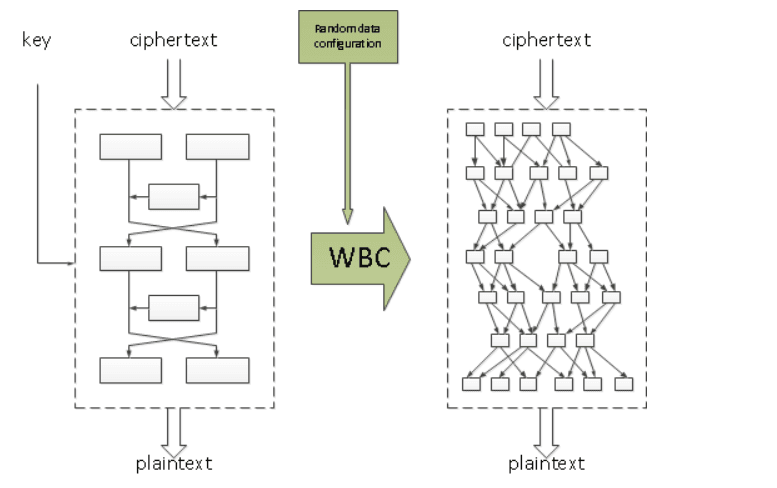
White Box Cryptography (WBC) is an important technology used to minimize security risks for open devices such as smartphones. It is a new technique against attacks targeting white-box attack environments.
Security
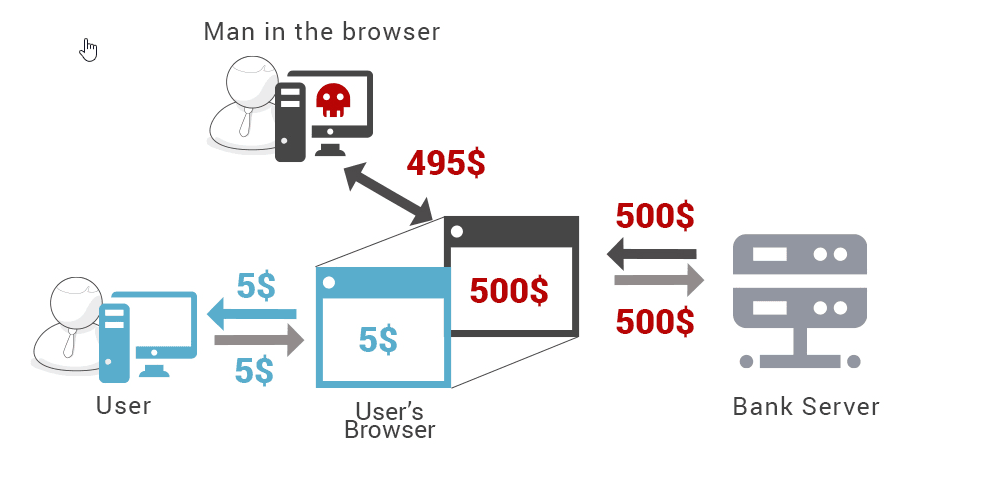
In the Man in the Browser fraud method, the goal is not to steal the user's password but to place malware in the browser itself. A malicious browser extension can alter the amount and recipient of the user's transfers at will.

HSM & Security
TAK stands for Terminal Authentication Key. It is the data encryption key used to generate and verify a Message Authentication Code (MAC) for data communication between a terminal and the acquirer within a local network.
HSM & Security
TMK stands for Terminal Master Key, a key-encrypting key distributed manually or automatically under a previously established TMK. It is used to distribute data encryption keys to an ATM or POS terminal within a local network.
HSM & Security
Below are the properties and descriptions of the DES and AES keys used for encryption: DES (Data Encryption Standard) and AES (Advanced Encryption Standard) are both symmetric block ciphers. DES is a symmetric block cipher with a 56-bit key length...
Payment Institutions & E-Money
On 7 October 2023, the CBRT amended the Communiqué on Information Systems of Payment and E-Money Institutions and Data Sharing Services of Payment Service Providers, first published on 1 December 2021. Links to the new text, a comparison table and a detailed summary of changes follow.

Credit Card
CVK (Card Verification Key) is the key information used to generate and verify CVV/CVC values, confirming their validity. It is kept as a pair of keys, CVK A and CVK B, encrypted under TMK, ZMK or LMK.
HSM & Security
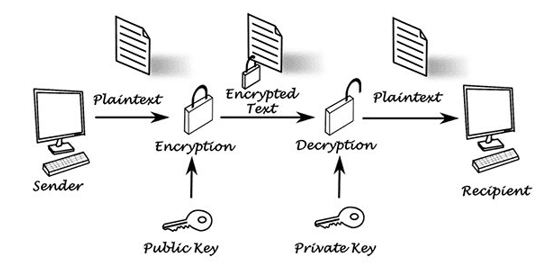
In the world of payment systems, keys and their uses are important for transferring information from one place to another, storing information, and securing authorization and scripting steps. Key types are divided into six categories based on their purpose.
ATM
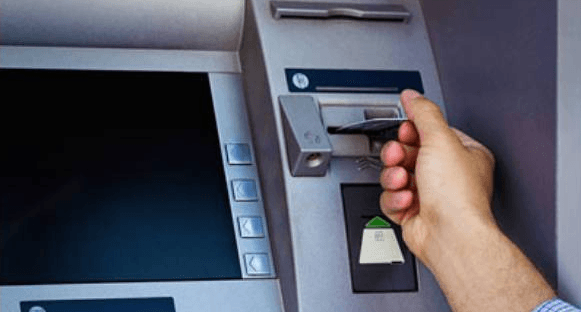
At payment points such as ATMs and POS terminals, the most critical step is PIN verification or verifying the customer through their identity information. However, since ATMs cannot verify a customer's identity, PIN verification becomes more important. So how is it performed?

ISO 8583
DE 48 - ADDITIONAL DATA: these are additional data fields that can be used specifically for transactions. It is 255 characters long. Field F48 carries many pieces of information and is divided into PDS (Private Data Subelements).