Skip to content

Search

"POS security"

122 articles found

Table listing ISO 8583 Field 25 (POS Condition Code) values

ISO 8583

ISO 8583 Field Descriptions (F25)

F25 - POINT OF SERVICE (POS) CONDITION CODE is the field that defines the condition under which a POS transaction was performed. Possible values include 00 Normal presentment, 01 Customer not present, 02 Unattended terminal, and more.
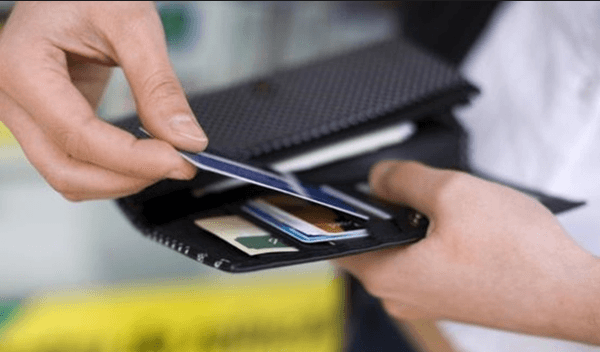
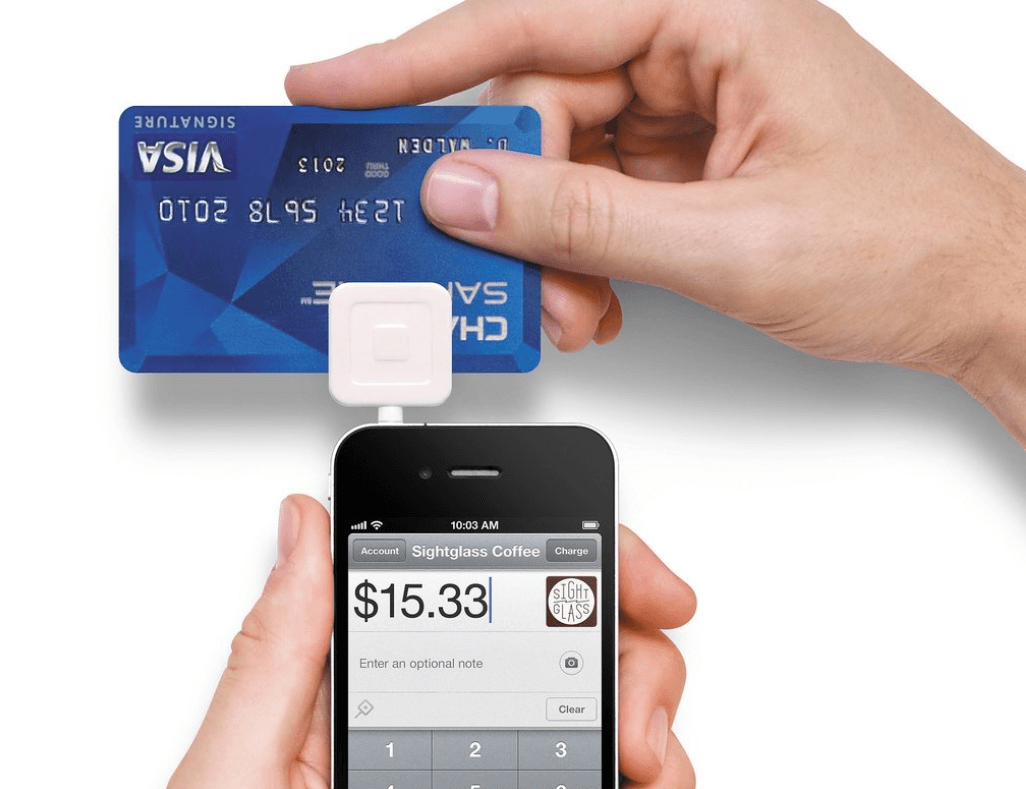
Credit card and smartphone illustrating online card payments without physically presenting the card

Credit Card

Do I have to use my physical card when shopping?

In the early years of credit cards, using the card physically was mandatory. With the internet and new technologies, we can now pay with only the card details, 3D Secure and contactless NFC payments, even without the card in hand.

Secure Card Reader for PIN with mobile device

Security

What Is a Secure Card Reader for PIN (SCRP)?

A Secure Card Reader for PIN (SCRP) is a multi-function card reader that turns any iOS, Android or Windows device into a payment terminal able to accept chip and contactless payments with PIN.

Diagram showing how card transaction data flows through the ISO 8583 messaging standard

Merchant & POS

What is ISO 8583?

Introduction: When a card (credit card/debit card/prepaid card) is used at an ATM or POS, data must be carried securely between systems. For example, in a store sale, the POS initiates the transaction, which must reach the cardholder's bank intact.

Old mechanical credit card imprinter machine used to transfer embossed card details onto a sales slip

Merchant & POS

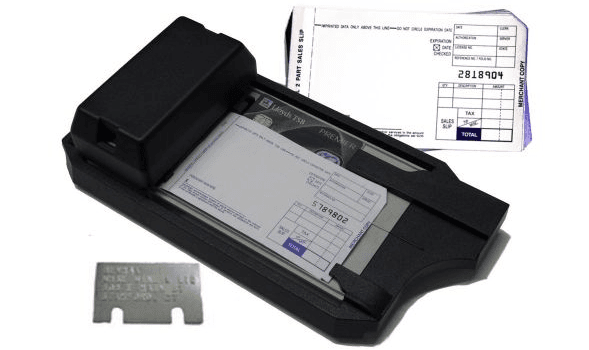
What Is an Imprinter?

An imprinter is the name given to devices that transfer all the information embossed on a credit card onto a paper sales receipt. Before POS terminals, it was commonly used by merchants for authorization transactions.

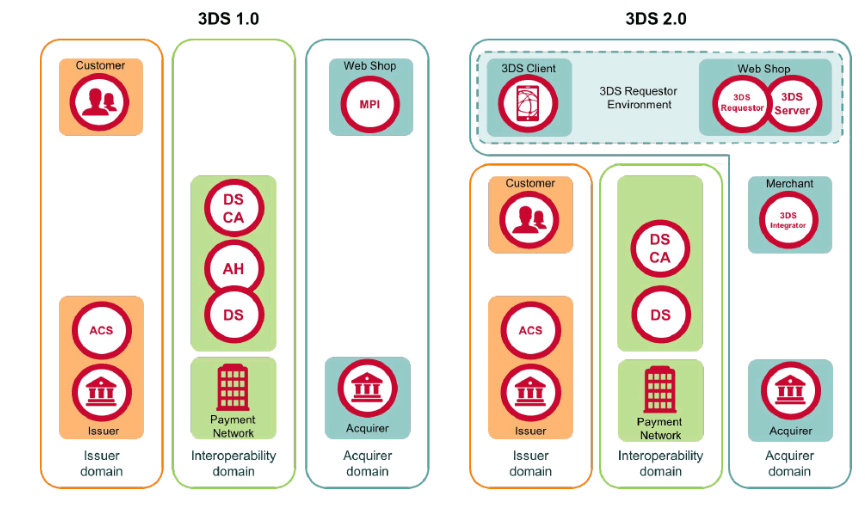
Architecture of 3DS 1.0 compared with 3DS 2.0, showing the issuer, interoperability and acquirer domains

Security

What Is 3D Secure 2.0?

Before 3D Secure 2.0, let's explain what 3D Secure is. 3D Secure is a two-layer payment authentication system that protects both the cardholder and the merchant in online payments. First released by Visa in 1999, it was later adopted by other card schemes…

Diagram illustrating the soft chargeback retrieval request process between cardholder, issuer and merchant

Chargeback

What Is a Soft Chargeback?

A soft chargeback, also called a retrieval request, is a request for documents about a transaction the cardholder does not recognize. Learn why customers request them, what information merchants should provide, and why a fast response matters.

Diagram illustrating the retrieval request process in card transactions

Chargeback

What is a Retrieval Request?

A chargeback is when cardholders dispute a transaction made without their knowledge through their card-issuing bank. So what does a Retrieval Request mean? It is essentially a document request related to transactions a cardholder does not recognize on their statement.

Contactless payment wave symbol printed on a bank card

Contactless

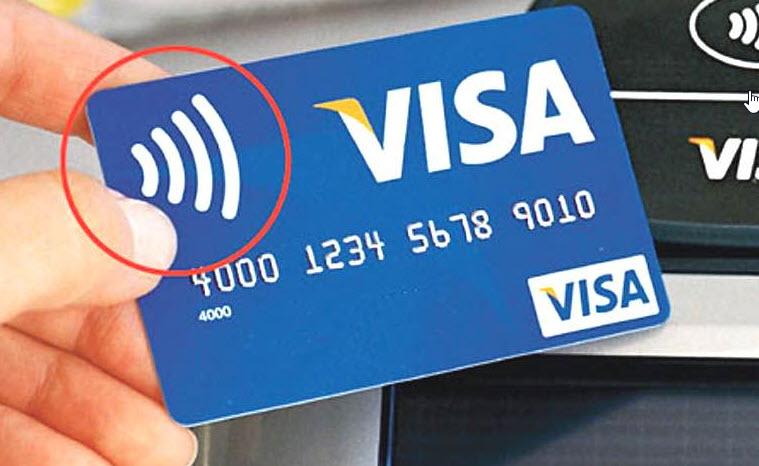
Does My Card Support Contactless Payments?

You can tell whether a card supports contactless payments by the four wave symbols printed on it. If the wave symbol is present, your card supports contactless transactions. If not, contact your bank for a new card.

Illustration of voice shopping and mobile payments with Mastercard

Merchant & POS

MasterCard Is Getting Ready for Voice Shopping

Payment systems once meant a physical card and a PIN on a POS device. Digitalization that began with contactless transactions has accelerated with mobile payments, and MasterCard is now working on voice shopping and Soft POS in Turkey.

Online shopping and e-commerce payment on a laptop with a bank card

Payment Institutions & E-Money

What are the advantages of working with a payment institution?

Online shopping keeps growing, and e-commerce sites must choose between working with a bank or a payment institution. This article explains why a single application and integration with a payment institution can be the better route.

Diagram of PIN Encryption Key (PEK) structure

HSM & Security

What is PEK (Pin Encryption Key)?

PEK is the abbreviation for Pin Encryption Key. The role of PEK is to encrypt PINs. There are two types of PEK: TPK (Terminal Pin Key) and ZWK (Zone Working Key).