Skip to content

Search

"Transaction Code"

217 articles found

Processing Options Data Object List (PDOL) diagram

Merchant & POS

Processing Options Data Object List (PDOL)

Contains the terminal-resident data objects (tags and lengths) that the ICC needs when processing the GET PROCESSING OPTIONS command. In short, it is the list of information the card requests from the terminal before starting the transaction.
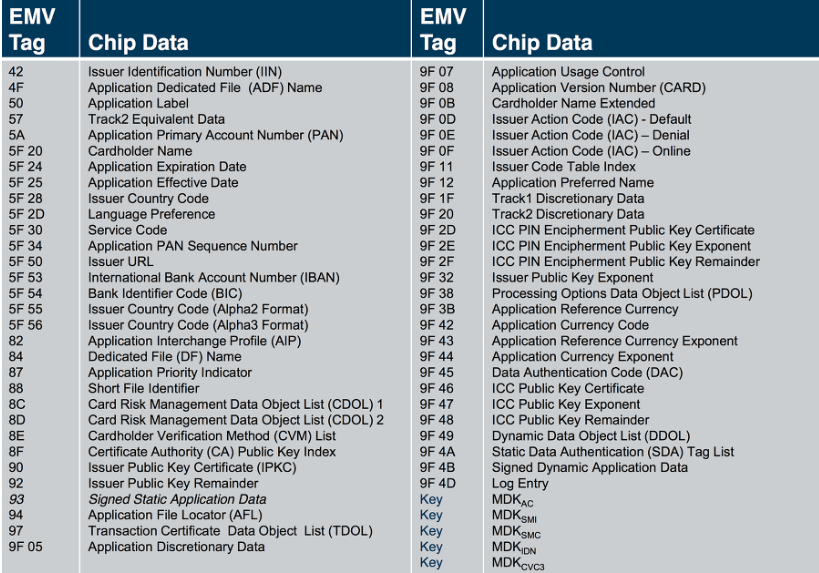
Table of credit card authorization response codes

Credit Card

What are Credit Card Status Codes in Authorization?

Cases where authorization approval is declined have always puzzled cardholders. Whenever the response code requires contacting the issuing bank (usually for declined transactions), the date, amount, and response code of the failed transaction become very important.

Diagram illustrating the EMV Tag-Length-Value (TLV) data structure used in card transactions

Online & Authorization

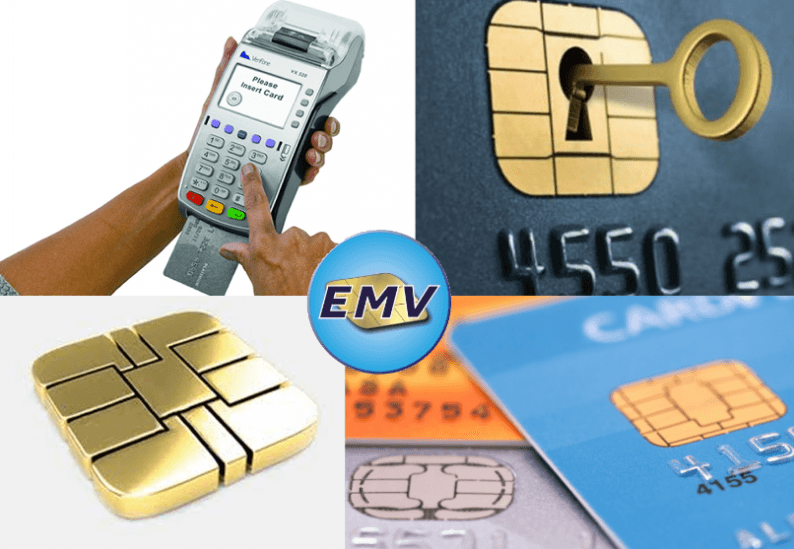
What are EMV Tags?

In EMV, data is stored in Tag-Length-Value (TLV) format, and it is carried between the card, the POS terminal, and the authorization system in this same format. This post lists every EMV Tag, its type, and its description.

Table showing payment system response code values that indicate transaction approval

Online & Authorization

What Are the Response Code Values That Mean Approval?

In payment systems, the result of a transaction is sent in the F39 field. The F39 value is the code indicating the transaction's approval or decline status. It is a 2-character alphanumeric code. When approved, the value is usually 00.

Table of chargeback reason codes by payment scheme

Chargeback

What Are the Chargeback Reason Codes by Payment Scheme?

A chargeback is the process of requesting that an amount paid by credit card be refunded, either because the goods or services paid for were not received, or because a transaction is identified as one the cardholder did not carry out.

Diagram showing the structure of an ISO 8583 message

ISO 8583

What Fields Make Up ISO 8583?

We covered the ISO 8583 basics in an earlier article. This post explains the ISO 8583 message structure in detail: every ISO 8583 message consists of three main parts - the MTI (Message Type Indicator), the Bitmap, and the Data Elements.

Animated illustration of a credit card representing dynamic security code technology

Credit Card

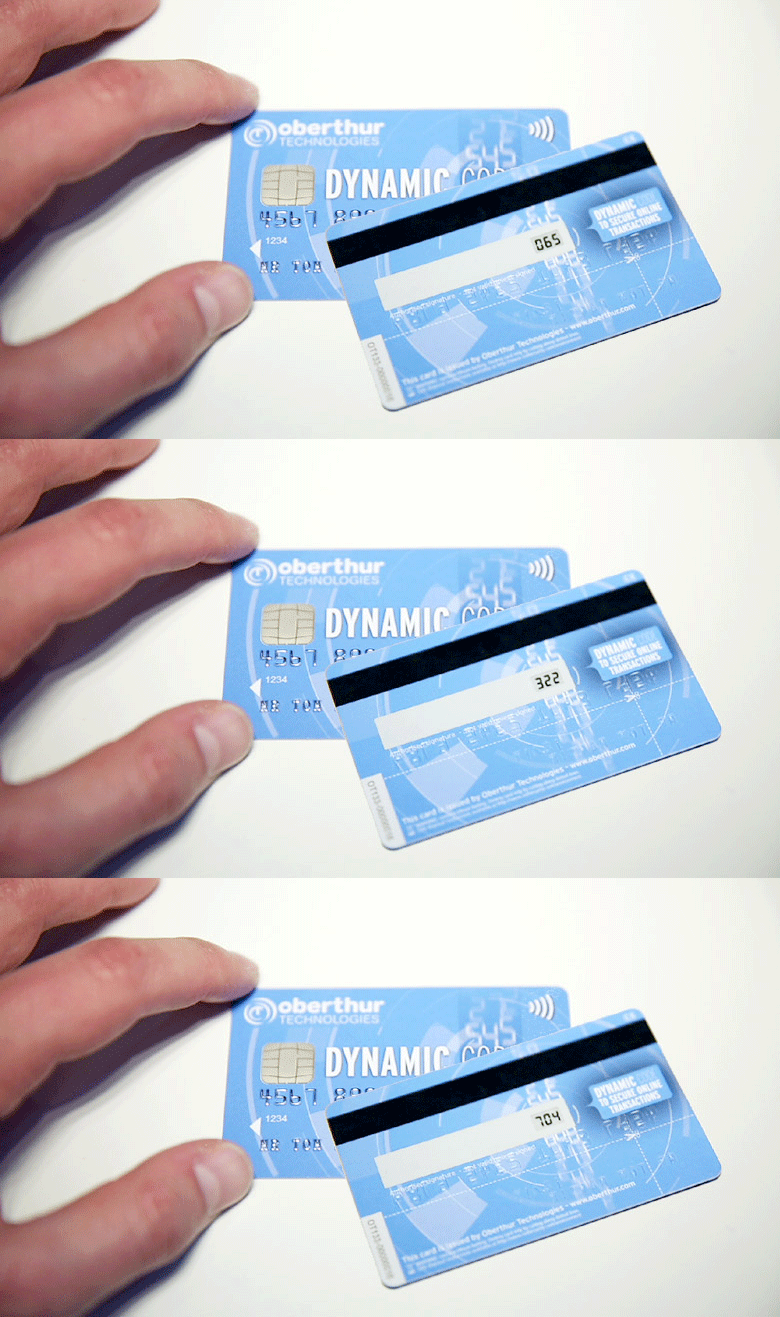
What is a Dynamic Card Security Code (CSC)?

It is a CVV2/CVC2 code that changes every few minutes instead of the static code printed on the back of a credit card, aimed at reducing fraud risk in CNP (Card Not Present) transactions.

Diagram illustrating the ISO 8583 F39 response code field

ISO 8583

ISO 8583 Field Descriptions (F39)

F39 - RESPONSE CODE: This is the code showing whether the transaction was approved or declined. It is 2-digit alphanumeric. Typically 00 is sent when approved, and a decline reason code is sent when declined.

Screenshot of a mobile banking app showing the QR code deposit flow at an ATM

ATM

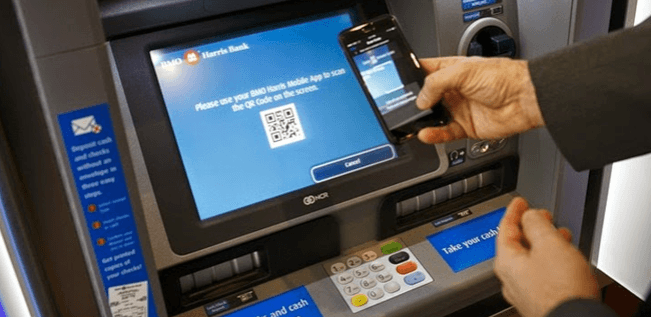
Depositing Money with a QR Code

Many banks now let customers deposit cash by scanning a QR code with their mobile banking app instead of inserting a card at the ATM. This speeds up the transaction, reduces card skimming risk, and adds an extra layer of security through in-app verification.

Table listing Turkish bank names alongside their EFT codes

Online & Authorization

What are Bank EFT Codes?

Below are the EFT codes of banks located within Turkey, which are used both during the payment systems authorization stage (Field 32) and in banking transactions.

Table of CAVV result codes and what they mean for merchants

Merchant & POS

What is CAVV? What is AAV?

CAVV and AAV are verification codes used in 3D Secure transactions to ensure transaction integrity and security. CAVV is used by Visa, while AAV is used by Mastercard.