Skip to content

Search

"Visa Mastercard"

111 articles found

Diagram illustrating a bank's OnUs transaction flow and the process of opening ATMs to other banks' cards

ATM

What needs to be done to open ATMs to the use of all bank cards?

Suppose you are a newly established bank, wanting to offer customers all your products and services. Of course, this is not easy. First, the Bank's OnUs transaction processing step must run successfully before other banks' cards can be accepted at the ATMs.

Diagram showing Electronic Commerce Indicator values used in 3D Secure transactions

Online & Authorization

What is the Electronic Commerce Indicator (ECI)?

Electronic Commerce Indicator (ECI) is a 2-digit value generated by payment schemes (Visa, MasterCard, etc.) in 3D Secure transactions to determine the transaction's security level (Full 3D Secure, Half 3D Secure, Non 3D Secure), and it varies by payment scheme.

Diagram showing the Issuer Domain, Interoperability Domain and Acquirer Domain in 3D Secure

Merchant & POS

What are Payment Scheme 3D Secure systems?

3D Secure is short for Three Domain Secure (Issuer Domain, the Interoperability Domain and the Acquirer Domain), used to increase security in online transactions. Known to cardholders as 3D Secure, these systems are given unique names by payment schemes (MasterCard, Visa, etc.).

Diagram of an external quarterly network vulnerability scan for PCI DSS compliance

Security

What Is a Quarterly Network Scan?

An external network scan run every 3 months by an Approved Scanning Vendor authorized by card schemes such as MasterCard and Visa, required for PCI DSS compliance. It checks whether merchant systems are protected against external threats.

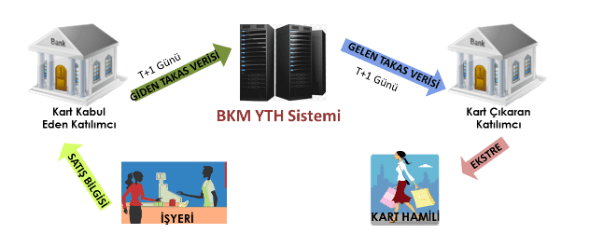
Diagram showing the flow of incoming and outgoing files in the clearing system between banks

Clearing

Clearing System Files: Incoming and Outgoing Files

The clearing system settles a transaction between two participants when a card from one bank is used at another bank's POS or ATM. Learn about the incoming and outgoing files used in interbank clearing.

Table of chargeback reason codes by payment scheme

Chargeback

What Are the Chargeback Reason Codes by Payment Scheme?

A chargeback is the process of requesting that an amount paid by credit card be refunded, either because the goods or services paid for were not received, or because a transaction is identified as one the cardholder did not carry out.

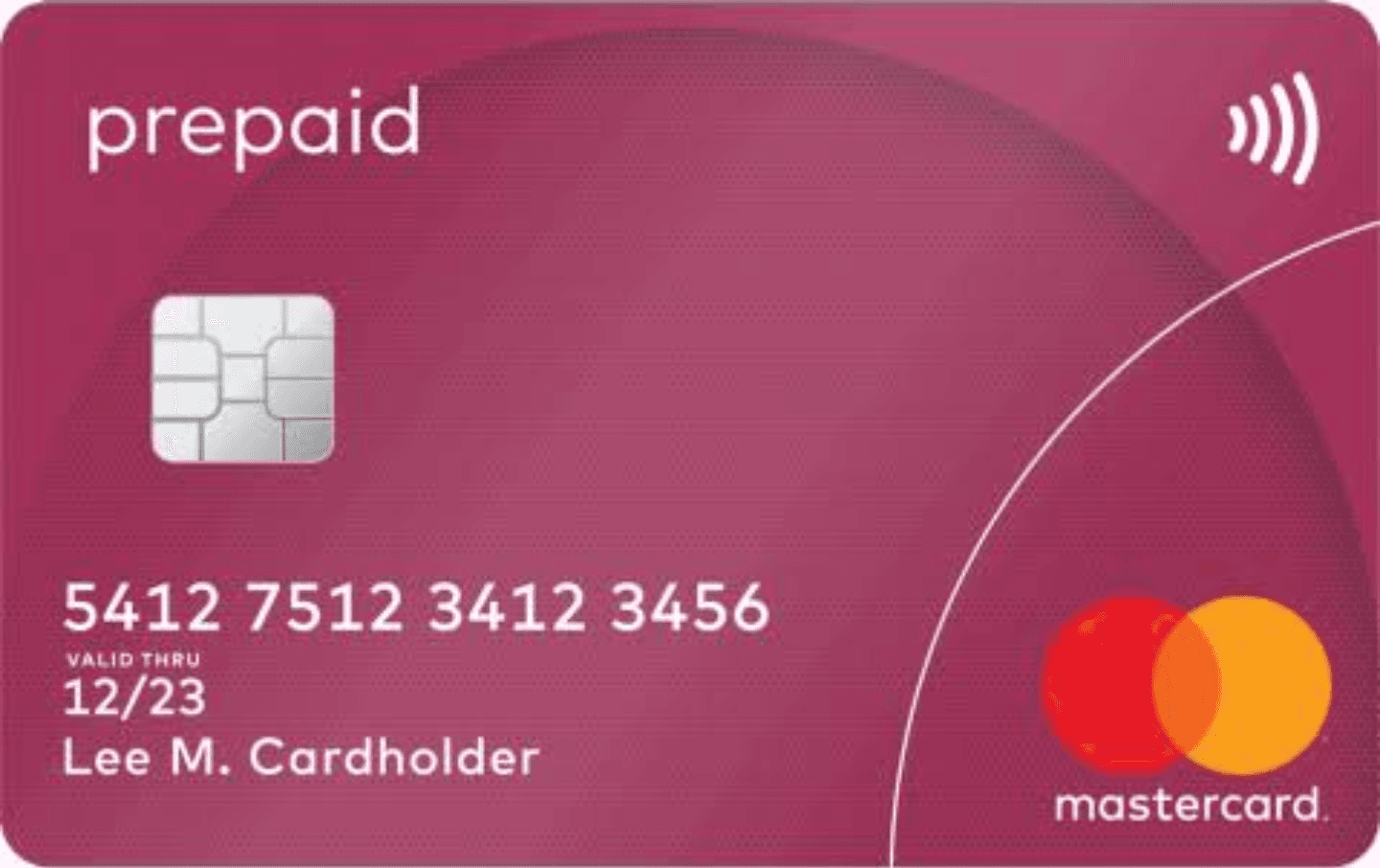
Photo illustrating the use of a prepaid card

Credit Card

Is a Prepaid Card a Credit Card or a Debit Card?

A prepaid card may look like a debit card since it has no predetermined limit and purchases are limited to the amount loaded by the cardholder, but in terms of use and operating logic it differs significantly from both credit and debit cards.

Diagram showing how the iCVV code is generated for EMV chip cards

Credit Card

What Is iCVV? How Is It Generated?

iCVV stands for Integrated Circuit Card Verification Value. To prevent fraud, it is a CVV value generated similarly to the card's track data and stored on the card's chip. Visa uses the term iCVV; MasterCard and American Express use their own equivalents.

Payment card being checked against a card recovery bulletin of problem cards

Merchant & POS

What Is a Card Recovery Bulletin (Card Protection Bulletin)?

A Card Recovery Bulletin is a list of problem cards (lost, stolen, expired, over-limit, counterfeit or otherwise flagged) published by card schemes such as Visa or MasterCard. It shows whether a card number is listed on the date of purchase.

Diagram illustrating the appeal stage of the card dispute and chargeback process between issuer, acquirer and card scheme

Payment Systems

What Is an Appeal? What Does It Mean in Payment Systems?

In payment systems, an “appeal” is the process of objecting to the outcome of a transaction dispute. It is usually discussed alongside chargebacks, but it plays a critical role in interbank dispute resolution, when a party asks the card scheme to re-evaluate a concluded decision.

Illustration of EMV chip card technology used in VSDC and M/Chip-Lite applications

Credit Card

What is VSDC (Visa Smart Debit Credit) and M/Chip-Lite?

EMV chip cards contain a small, powerful microprocessor that provides enhanced security, faster transactions, and support for loyalty programs. VSDC is Visa's chip-based solution; M/Chip-Lite is Mastercard's low-cost equivalent for banks starting their chip migration.