Skip to content

Search

"banking data"

183 articles found

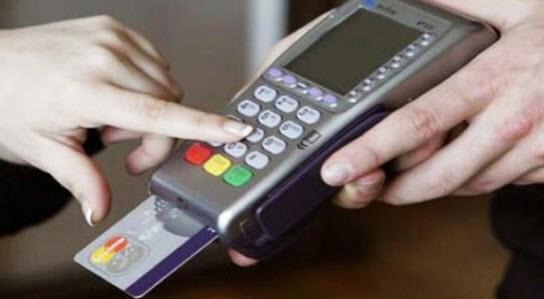
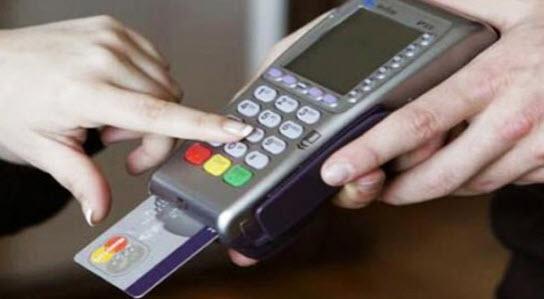
POS terminal processing an EMV chip card transaction

Credit Card

Application Interchange Profile (AIP)

The Application Interchange Profile indicates the application functions supported by the card. The AIP values and their descriptions are given below. Where is the AIP found? The AIP is a 2-byte piece of data stored on the card, carried under EMV tag 82.


Payment card being checked against a card recovery bulletin of problem cards

Merchant & POS

What Is a Card Recovery Bulletin (Card Protection Bulletin)?

A Card Recovery Bulletin is a list of problem cards (lost, stolen, expired, over-limit, counterfeit or otherwise flagged) published by card schemes such as Visa or MasterCard. It shows whether a card number is listed on the date of purchase.

EMV Application Transaction Counter ATC 9F36

Online & Authorization

Application Transaction Counter (ATC)

The Application Transaction Counter is the number of transactions made with the card so far. It increases by 1 with each transaction and can also be used as a transaction number, making transactions easier to track.

Diagram illustrating the Card Personalization Validation (CPV) process

Credit Card

What is CPV (Card Personalization Validation)?

CPV stands for Card Personalization Validation. It is Mastercard's term for the set of recommendations and instructions defined for the card personalization process. The equivalent for Visa is called GPR (Global Personalization Requirements).

Illustration representing the advantages and disadvantages of credit cards

Credit Card

What Are the Advantages and Disadvantages of a Credit Card?

Credit cards can be a convenient way to manage income and expenses, but for those who don't know how to use them, they can become an expensive and risky product. Here are the key pros and cons to weigh before applying for one.

Diagram illustrating account-to-account (A2A) payment flow between banks

Online & Authorization

What are A2A (Account-to-Account) Payments?

Account-to-account (A2A) payments can be described as making a payment by transferring money from one bank account to another. Though similar to wire transfer/EFT, combining the transfer with the payment creates a seamless experience.

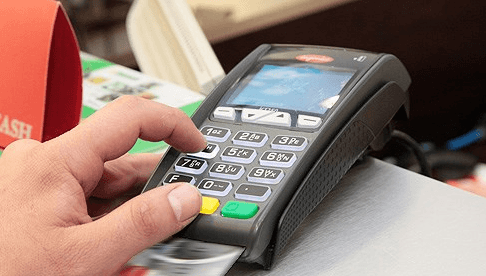
Payment terminal running multiple bank applications as a shared POS

Payment Systems

What is a shared POS? Key points for projects and testing

A shared POS is a bank or institution terminal that can host more than one application. This post covers the software, APN and authorization steps, and the key test scenarios to cover in a shared POS project.

BRSA credit card statistics dashboard illustration

Laws & Regulations

What Is the BRSA Credit Card Statistics Application?

It is data published by the BRSA, compiled from information periodically collected through the BRSA Data Transfer System (BVTS) from banks and other institutions under its supervision.

Illustration of a contactless payment card being tapped on a POS terminal

Contactless

What is Magnetic Stripe Data (MSD)?

As end users, we have come to love contactless payments, which are becoming a bigger part of daily life. So what features let contactless cards make payments without touching the POS terminal? There are two classes: MSD cards and Contactless EMV cards.

Illustration showing how an Application Identifier (AID) is used in a chip card transaction

EMV

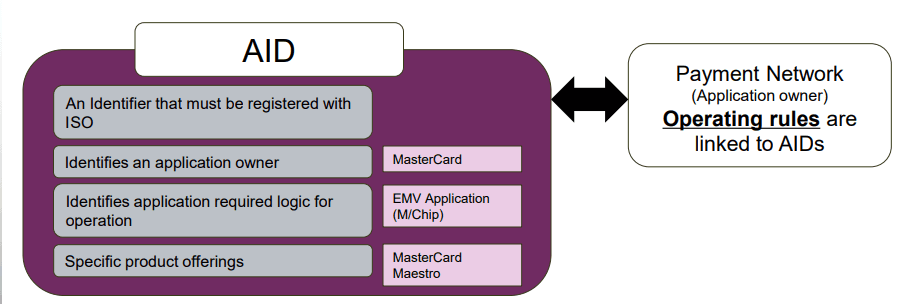
What is an Application Identifier (AID)?

The AID tells the terminal which applications are present on a chip during a POS or ATM transaction. What does the AID do? It lets the terminal determine whether it supports an application on the chip. In Tag 9F06, it is 5-16 digits long.