Skip to content

Search

"check digit"

68 articles found

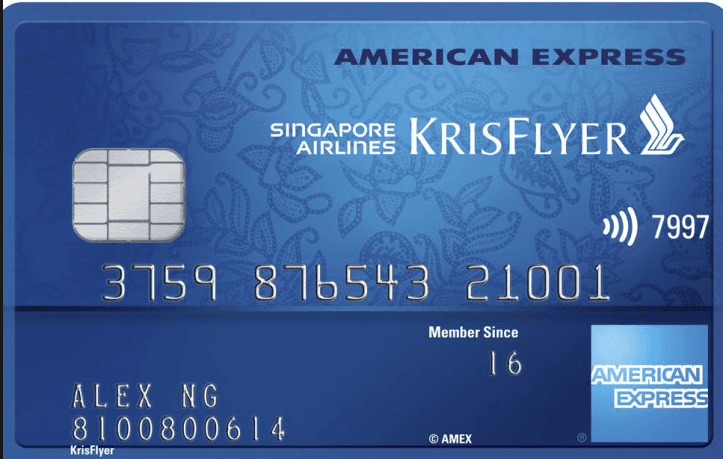
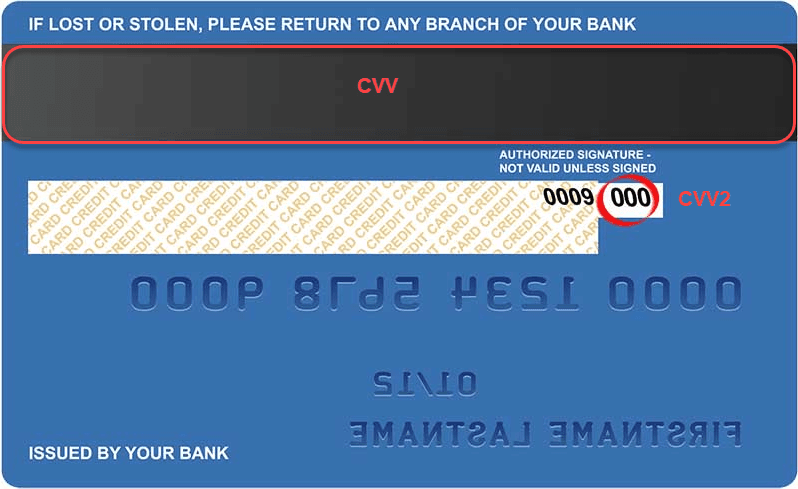
Credit card showing CVV security code location

Credit Card

Can a Card Have CVV Printed on Both Sides?

Yes. American Express cards have a 4-digit CVV on the front and a 3-digit CVV on the back, like other cards. Here's how payment forms should handle both formats and why logging the security code is never allowed.


Merchant onboarding process illustration

Merchant & POS

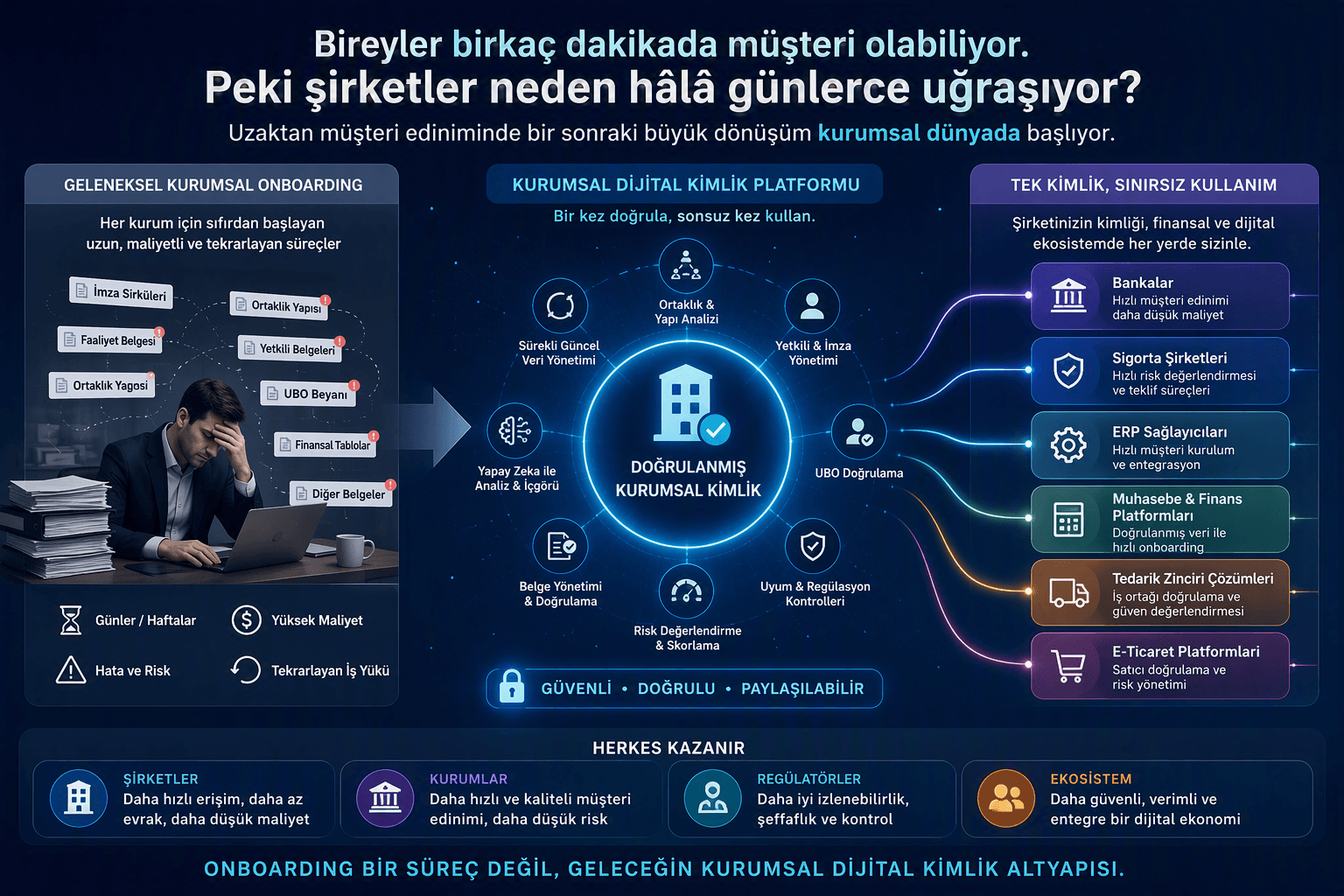
What is Onboarding (Merchant Definition)?

Onboarding refers to all the practices that help a customer learn to use a product or service for the first time. In payment institutions, it covers verifying a customer's information and documents during merchant application.

Diagram illustrating the structure of an ISO 8583 message field

ISO 8583

ISO 8583 Field Descriptions (F14)

F14 - DATE, EXPIRATION DATE: the expiration date printed on the card by the issuing bank, a 4-digit numeric value in YYMM format. See how it's checked and why the YYMM order matters.

Hand holding a credit card near an ATM screen used to check card debt

Credit Card

How Can I Check My Credit Card Debt?

In the past, banking transactions could only be carried out at branches, but with the advance of technology, customers can now complete their transactions through many channels without visiting a branch. Checking credit card debt is one of these.

Diagram illustrating the structure of Track3 data on a payment card

Credit Card

What Is Track3?

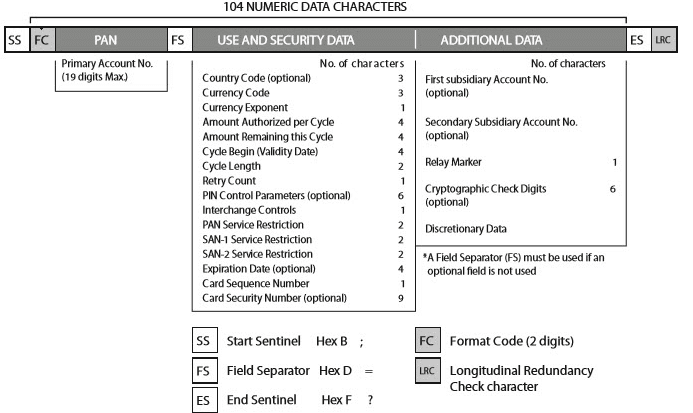
Track3 is a field that doesn't need to be written to the card's magnetic stripe. It's used only in very specific cases and isn't required for authorization transactions. Issuers generally don't encode Track3 data onto the card's magnetic stripe. It consists of 104 numeric characters.

Close-up photo of a cracked payment card

Credit Card

My Card Is Broken. What Should I Do?

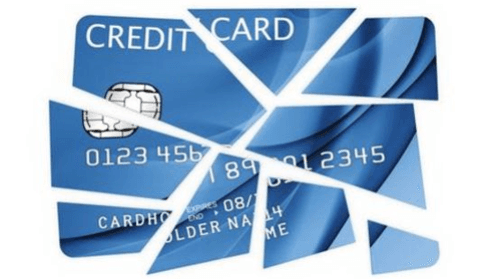
If your card is broken, call your bank's Customer Contact Center to request a renewal. Since the card number usually stays the same after renewal, this is convenient for you. If you'll keep using the card, don't set it to Closed or Cancelled status.

Diagram illustrating the Remote Key Loading (RKL) process

ATM

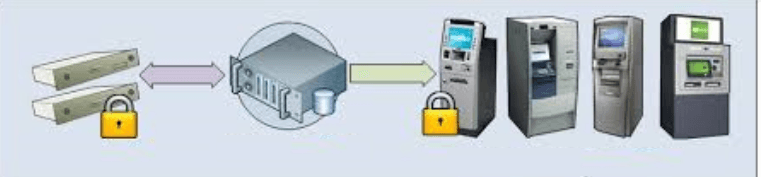
What Is RKL (Remote Key Loading)?

RKL is the process of distributing a TMK (Terminal Master Key) to each terminal from a central point. It is used to remotely load keys onto POS and ATM devices, loading TMKs onto an ATM's keypad or activating them on a POS.

Illustration of remote identity verification and open banking in digital banking

Laws & Regulations

Remote Identity Verification, Reliance on Third Parties and Open Banking

Digitalization is changing how banks onboard customers. This post covers digital identity, verification methods, what the Turkish ID card offers, and Article 43 of the Regulation on Information Systems of Banks and Electronic Banking Services on remote identity verification and open banking.

Diagram illustrating the ISO 8583 F39 response code field

ISO 8583

ISO 8583 Field Descriptions (F39)

F39 - RESPONSE CODE: This is the code showing whether the transaction was approved or declined. It is 2-digit alphanumeric. Typically 00 is sent when approved, and a decline reason code is sent when declined.

Table showing payment system response code values that indicate transaction approval

Online & Authorization

What Are the Response Code Values That Mean Approval?

In payment systems, the result of a transaction is sent in the F39 field. The F39 value is the code indicating the transaction's approval or decline status. It is a 2-character alphanumeric code. When approved, the value is usually 00.