Skip to content

Search

"check digit"

68 articles found

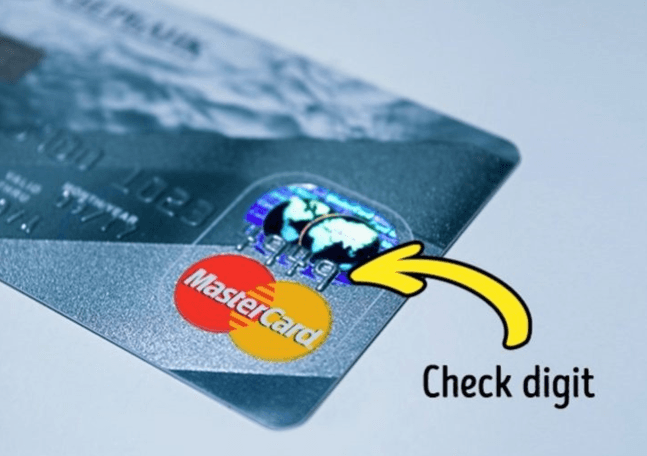
Illustration showing how the Luhn algorithm calculates and validates a credit card check digit

Credit Card

How is a credit card number generated? (Luhn Algorithm)

The Luhn algorithm was developed by Hans Peter Luhn and IBM in 1954. It is also known as the Luhn Check or Mod Check. It is used in two ways: preparing a given number according to the Luhn algorithm, and validating a given number using the Luhn algorithm.

Account Information Service Provider concept icon

Payment Systems

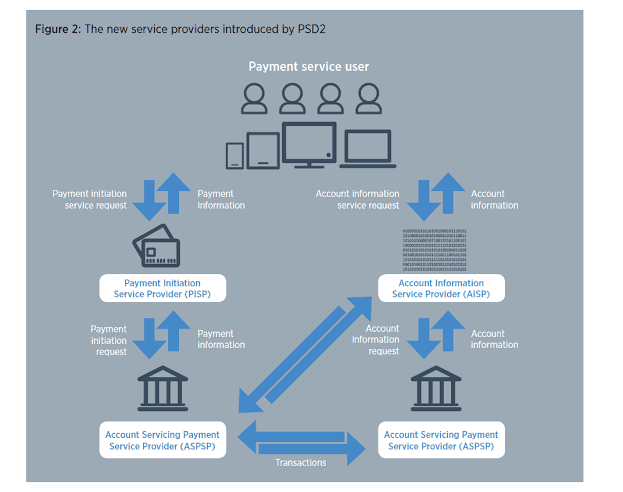
What are Account Information Service Providers?

Digital Account Checking underpins many innovative banking and FinTech services. In most cases, it is performed by Account Information Service Providers, which supply data from customers' online bank accounts to other banks and third-party providers.

Example of an EAN-13 barcode number

Courier & Delivery

What is the Barcode Generation Algorithm?

Barcode numbers are essential for the Courier system, since cards are distributed using the barcode number. So does the barcode number have a generation algorithm, or is it just randomly generated? The barcode number does have a generation algorithm.

Diagram of ISO 8583 Field 2 (F2) card number structure

ISO 8583

ISO 8583 Field Descriptions (F2)

F2 is the Card Number field in ISO 8583, identifying the cardholder and issuing bank. This post covers its structure, the 8-digit BIN update, field format, first-digit scheme identification, and PCI DSS security requirements.

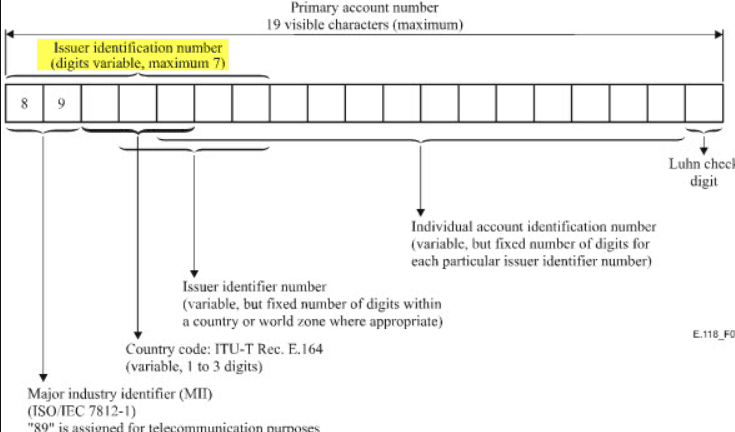
Illustration of a payment card numbering structure under the ISO/IEC 7812 standard

Credit Card

What is ISO/IEC 7812?

ISO/IEC 7812 is a standard that primarily describes the card numbering system and the application and registration procedures. Identification cards, in physical or digital form, are an integral part of operations in many industries.

Diagram explaining PVKI and PVV calculation in card PIN verification

Credit Card

What Is PVKI (PIN Verification Key Index)?

PVKI is the abbreviation for PIN Verification Key Index. It is located within the card's Track 1 and Track 2 data and is used in PVV calculation. It can take values from 1 to 6, usually defaulting to 1.

Stand-in authorization flow diagram

Credit Card

What is Stand-In Authorization?

In the standard authorization flow, the transaction is initiated by the acquirer (POS bank) and forwarded to the issuer (card-issuing institution). The process is completed once the issuer responds. However, this isn't always possible; when the issuer fails to respond, BKM steps in...

Illustration showing the consequences of entering an incorrect CVV2 code in an online transaction

Credit Card

What happens if I enter CVV2 incorrectly in my online transactions?

With the advancement of technology, the use of credit cards in online transactions and the variety of payment methods have increased. To make an online transaction with a credit card, you need: Card Number, Expiration Date, and CVV2 (the 3-digit number on the back of the card).

Illustration representing Merchant Category Code classification for card transactions

Merchant & POS

What Does a Restricted/Prohibited MCC Mean?

The MCC code, or Merchant Category Code, is a 4-digit code used to classify merchants. Some MCC codes are restricted or prohibited, and POS terminals or card transactions may be blocked when such a code is used.

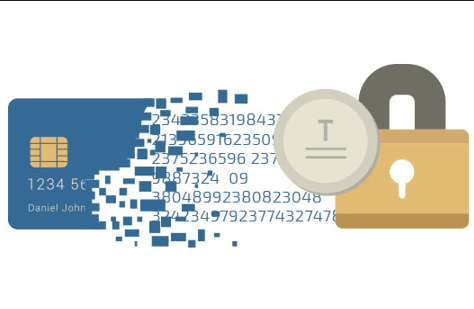
Diagram comparing the digitization and tokenization processes in mobile payments

HCE

Comparing Digitization and Tokenization

Tokenization and digitization are two important terms in mobile payments that are easily confused and often used interchangeably. What is the difference between digitization and tokenization?

MasterCard Identity Check logo and authentication illustration

Security

What is MasterCard Identity Check?

Payment security is very important in payment systems. To increase security, transactions require additional information such as PINs and passwords. Remembering which information to use, and keeping it in mind without forgetting…

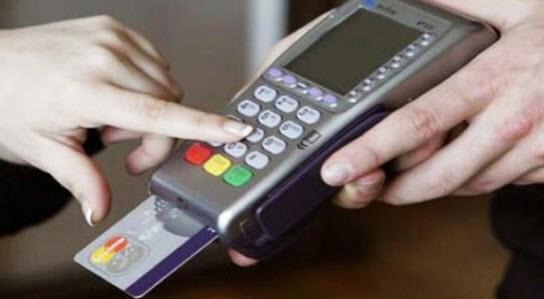
Photograph of a POS terminal used for Chip and Pin card payments

Merchant & POS

What is Chip&Pin?

Chip&Pin, introduced in Turkey on March 31, 2006, is a payment method that greatly reduces the risks of card copying and loss or theft fraud. The chip on the card reduces copying risk, while the 4-digit PIN prevents unauthorized use of a lost card.