Skip to content

Search

"digital commerce"

48 articles found

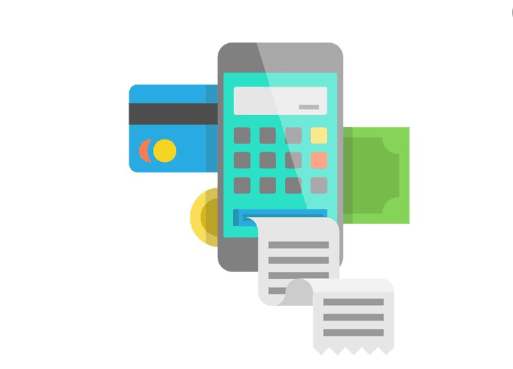
Illustration representing communication protocols used in POS payment systems

Merchant & POS

What Are POS Sub-Protocols and Their Use Cases in Turkey?

In payment systems, every exchange between POS devices and bank or payment institution systems runs on a specific messaging standard, generally based on ISO 8583. However, each country, bank, or switch network defines its own version of this standard.


Diagram illustrating the RSA encryption algorithm

HSM & Security

What is RSA (Rivest, Shamir, Adleman) Key?

RSA, first used by Rivest, Shamir and Adleman, is a security algorithm used in digital cryptography. RSA differs from older symmetric algorithms because it enables digital signing and advanced encryption for e-commerce systems and high-profile institutions.

Illustration representing an AI agent making purchasing decisions

Agentic Commerce

Agentic Commerce Series – Part 3

Can AI Decide on Our Behalf? Letting an AI agent handle research can make life much easier. The real question is where that should stop, and how much decision-making authority we are ready to hand over.

Illustration of a digital wallet storing payment card information

Credit Card

What Is a Wallet?

The term 'wallet' has many definitions in payments and fintech. In general, it refers to digital wallets (e-wallets) used in e-commerce, popular because they let users securely store payment information and pay easily.

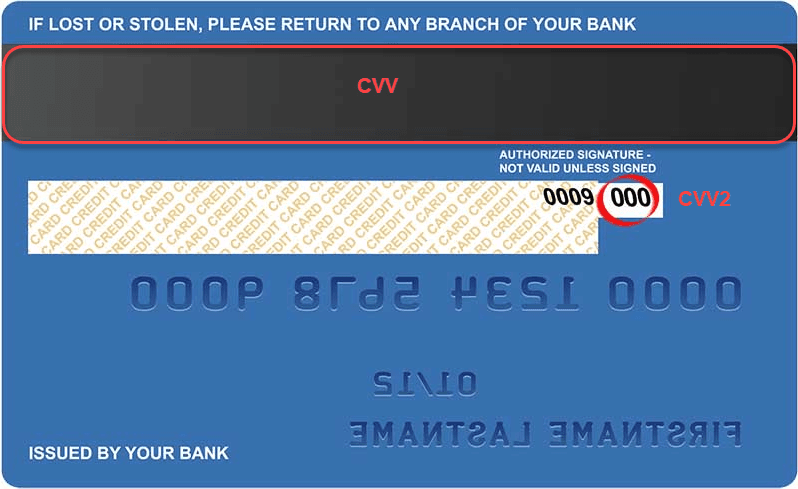
Comparison chart showing the differences between CVV and CVV2 security codes

Credit Card

What Is the Difference Between CVV and CVV2?

CVV (CVC) and CVV2 (CVC2) are two terms that cardholders often confuse. Both are used for verification in card transactions, but there are notable differences between them, such as where each is printed and which transactions use it.

Illustration of a customer completing a payment through an online payment link

Merchant & POS

What Are the Advantages of Paying with an Online Payment Link?

Advances in payment systems make shopping safer and easier for customers. For e-commerce sites and brands, offering reliable, practical and fast payment options is a serious advantage. An online payment link is one innovative way to accept payments without a POS device.

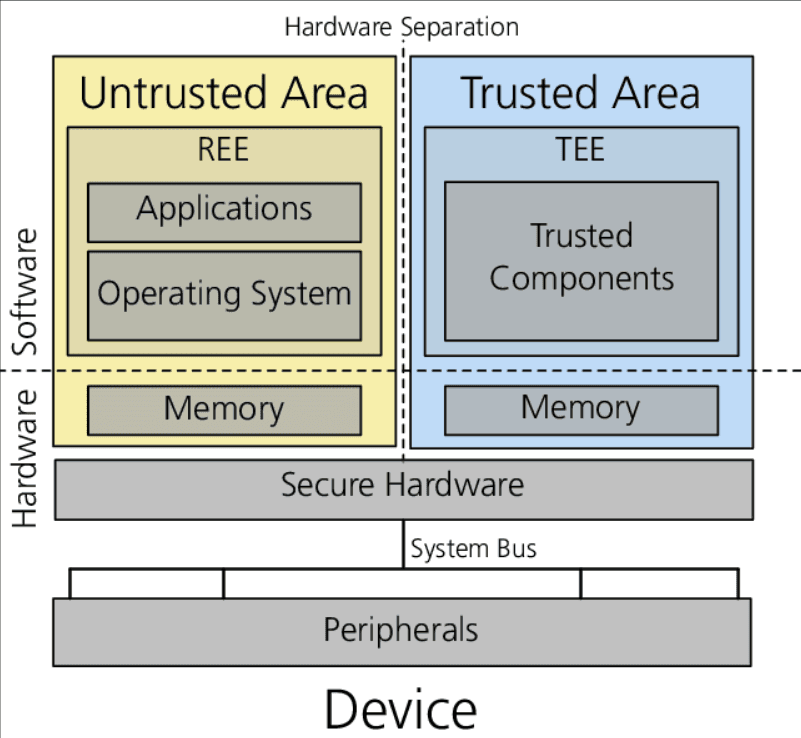
Diagram illustrating a Trusted Execution Environment (TEE) architecture

HSM & Security

What is TEE (Trusted Execution Environment)?

A Trusted Execution Environment (TEE) is an environment where executed code and accessed data are isolated and protected in terms of confidentiality (no one has access to the data) and integrity (no one can alter the code or its behavior). We may not realize it, but many…

Illustration of an e-commerce checkout page with card payment fields

Merchant & POS

How Important Is the Checkout Page in Payments?

The checkout page is where an online purchase is completed, and cart abandonment is highest there. This post lists design tips: support all cards, limit transition pages, show security cues, allow guest checkout and remove distractions.

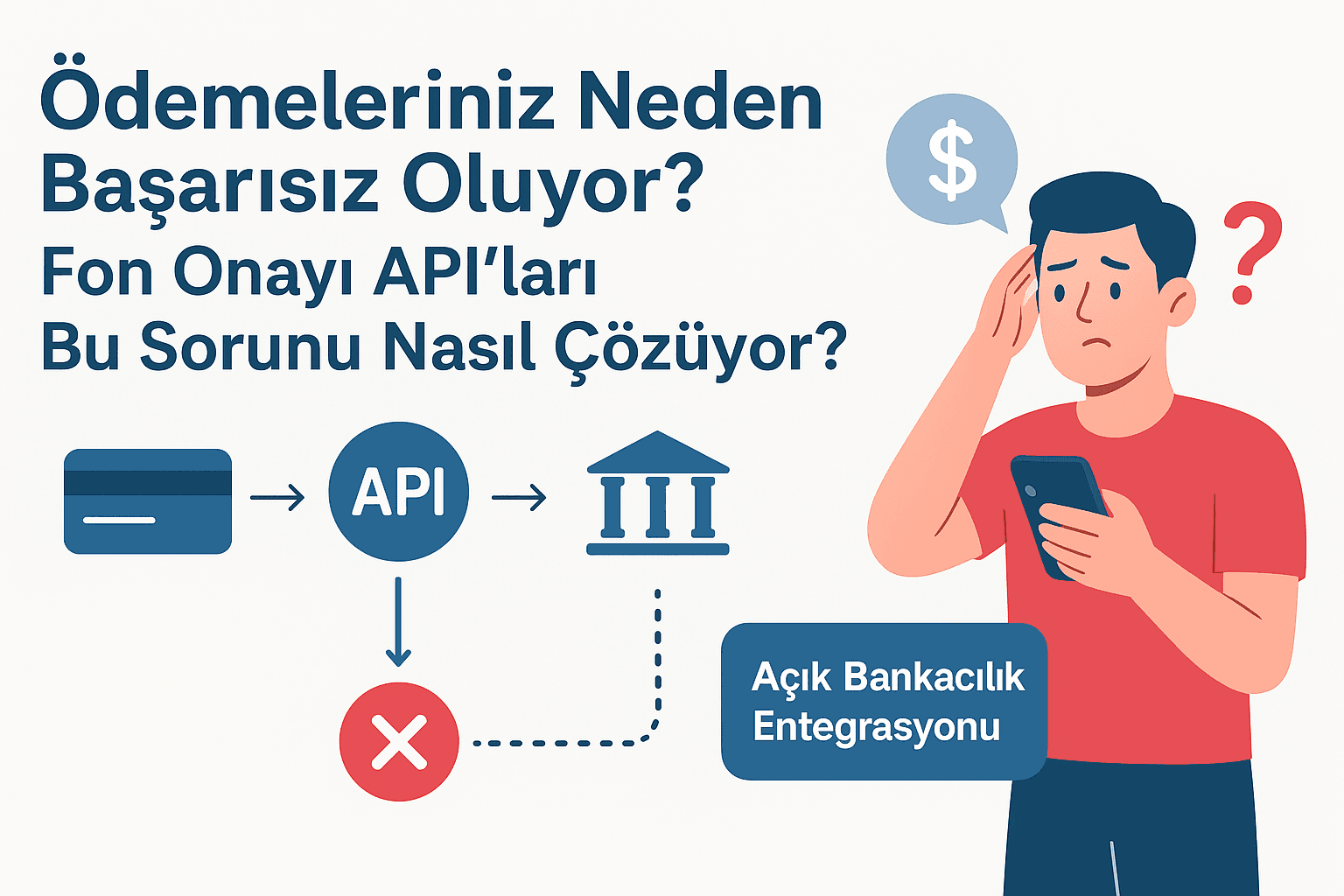
Shopper at an online checkout seeing a failed payment message because of an insufficient funds check

Online & Authorization

Why Do Your Payments Fail? How Funds Confirmation APIs Solve It

You press the pay button and the screen says the transaction failed. Behind that failure are checks on your balance and transaction security. This post explains how funds confirmation APIs work, where they apply, and the situation in Turkey's open banking.

Illustration representing open banking and banking as a service with digital banking and API connection icons

Open Banking

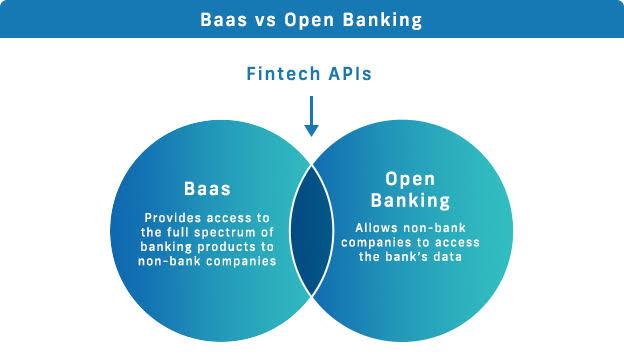
What are the differences between Banking as a Service and Open Banking?

First, it is useful to briefly recall the concepts of Banking as a Service and Open Banking. Banking as a Service (BaaS) lets interface developers connect directly to service banks' systems via APIs and open banking services to run banking transactions for customers...

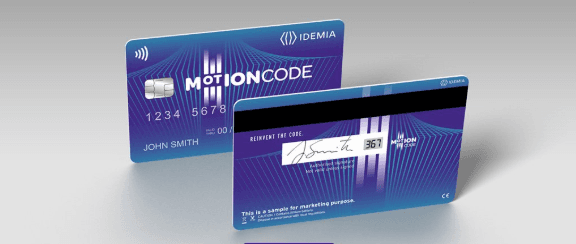
Deutsche Bank Tarjeta Calma credit card featuring dynamic CVV technology

Credit Card

Deutsche Bank produces a card with a CVV that changes every 4 hours

Germany-based Deutsche Bank is launching a new credit card in Spain with a dynamic CVV code that changes every four hours, to make online shopping more secure. Deutsche Bank partnered with Mastercard and Idemia for the new card, launched under the Tarjeta Calma brand.