Skip to content

Search

"fraud management"

38 articles found

Diagram showing the four pillars of HCE cloud-based security infrastructure

HCE

What is the HCE Cloud-Based Security Infrastructure Like?

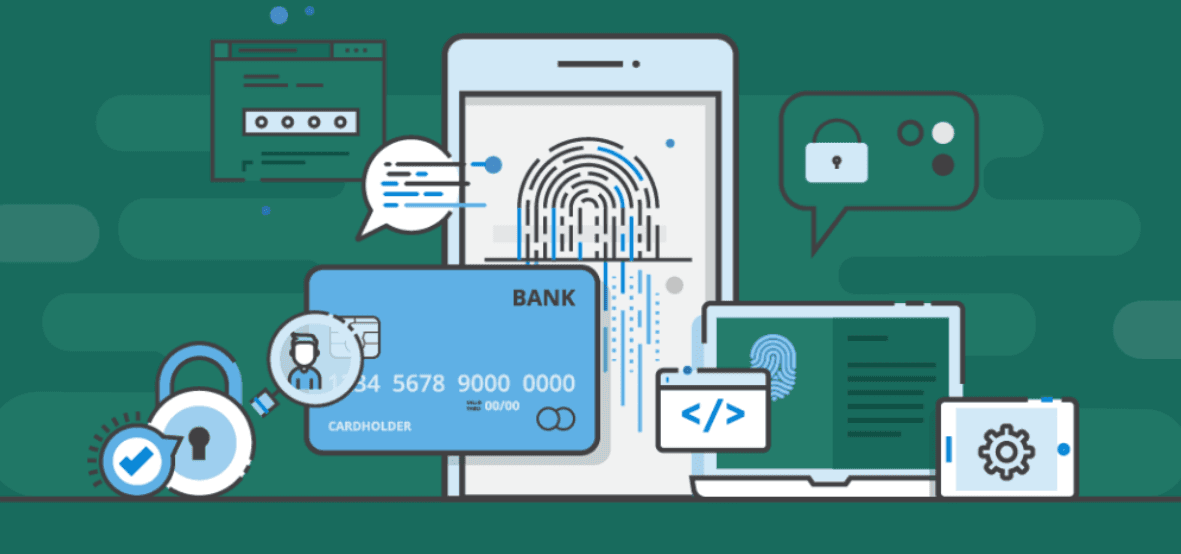
The HCE cloud-based security infrastructure consists of four main pillars: Tokenization, Risk Management, Session Keys, and User/Device Authentication. Tokenization indicates the type of token generation, and there are three different tokenization methods.


FAST instant payment transaction limit

FAST

What Is the FAST Transaction Limit?

The limit in FAST, the CBRT's new instant payment system launched on 8 January, started at 50 TL. It was raised to 250 TL on 14 January and 500 TL on 21 January, and will be raised to 1,000 TL on 28 January.

Table of chargeback reason codes by payment scheme

Chargeback

What Are the Chargeback Reason Codes by Payment Scheme?

A chargeback is the process of requesting that an amount paid by credit card be refunded, either because the goods or services paid for were not received, or because a transaction is identified as one the cardholder did not carry out.

Illustration of customer-based contactless card limit management

Payment Systems

Can a Card's Contactless Limit Be Managed on a Per-Customer Basis?

Contactless payment has greatly improved the user experience, yet its fixed transaction limit is a common complaint. Can this limit be managed dynamically per customer? This post covers the current situation, technical and regulatory requirements and the outlook.

ATM cash withdrawal with banknotes illustrating withdrawal limits

ATM

Can I Withdraw Unlimited Money from an ATM?

Like any physical device, ATMs have certain limits. Logically, it may seem like you could withdraw as much money as the ATM's cash cassettes can physically hold (10s, 20s, 50s, 100s, etc.), but that is not actually the case.

Illustration explaining what a non-secure e-commerce card transaction is

Payment Systems

What is a Non-Secure transaction?

A non-secure transaction is an e-commerce transaction approved without any verification before authorization, such as SMS OTP. In short, authorization is obtained by verifying only the card number, expiration date, and CVV2.

Illustration of a fallback transaction swiping a card's magnetic stripe after a chip read failure

Merchant & POS

What Is a Fallback Transaction?

When a chip can't be read due to a chip fault or the card being inserted incorrectly, the transaction is completed by swiping the magnetic stripe on the right side of the POS. Can chipless cards do fallback?

Example of a POS receipt showing a warning for a foreign card transaction

Merchant & POS

Is Identification of Foreign Customers on POS Receipts Mandatory?

Yes, it is mandatory. This requirement was introduced to prevent fraud. To fulfill their obligations regarding identification of foreign customers, banks must make one of several arrangements on receipts, such as bilingual descriptions or an explicit foreign card warning.

Diagram illustrating the appeal stage of the card dispute and chargeback process between issuer, acquirer and card scheme

Payment Systems

What Is an Appeal? What Does It Mean in Payment Systems?

In payment systems, an “appeal” is the process of objecting to the outcome of a transaction dispute. It is usually discussed alongside chargebacks, but it plays a critical role in interbank dispute resolution, when a party asks the card scheme to re-evaluate a concluded decision.

Illustration representing the products and services KKB offers directly to its member institutions

Credit Card

What Products and Services Does KKB Offer Directly to Members?

KKB was established, under banking law, to enable the exchange of all kinds of information and documents among at least five banks, and it also shares credit information about customers. The Credit Bureau of Turkey also serves deposit banks, participation banks, financial institutions, and more.