Skip to content

Search

"issuer bank"

109 articles found

Architecture diagram of the Visa EAS Server within the Visa Secure 3-D Secure authentication flow

EMV

What Is the Visa EAS Server?

The Visa EAS Server (Extended Access Service) is a server used in Visa’s authentication infrastructure. It was developed to run the cardholder authentication process securely between banks and the Visa network, particularly within Visa Secure (3-D Secure 2.x).

Diagram showing how an international card transaction is processed

Online & Authorization

How does the international transaction flow work?

When a card transaction is made abroad, banks usually calculate the cost from a percentage commission, a fixed commission, and an exchange rate margin. The flow starts when the customer requests a cash withdrawal at a foreign ATM.

Diagram showing the flow of incoming and outgoing files in the clearing system between banks

Clearing

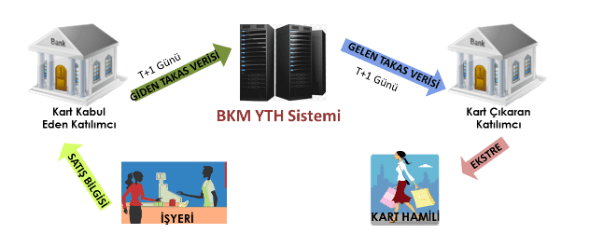
Clearing System Files: Incoming and Outgoing Files

The clearing system settles a transaction between two participants when a card from one bank is used at another bank's POS or ATM. Learn about the incoming and outgoing files used in interbank clearing.

EMV application block command

EMV

What Is the Application Block Command?

The Application Block command is sent to invalidate the selected application on a card after the card has been issued. Unlike Card Block, it can be reversed.

Illustration of a money transfer being sent from one payment card to another

Credit Card

What Is a Card-to-Card Money Transfer?

Card-to-Card Money Transfer (CCMT) lets customers send money 24/7 from a credit, debit, or prepaid card to another card via ATM, internet banking, call center, or mobile app.

PIN pad device connected to a POS terminal

Merchant & POS

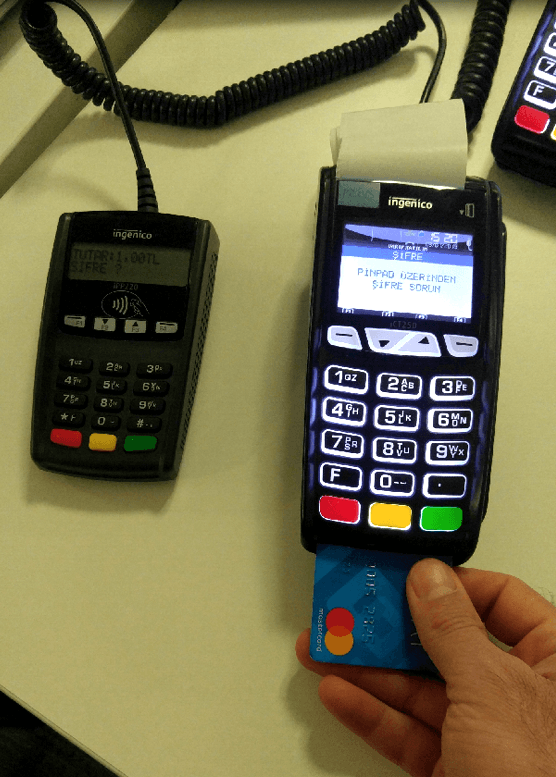
What Is a PIN Pad Device?

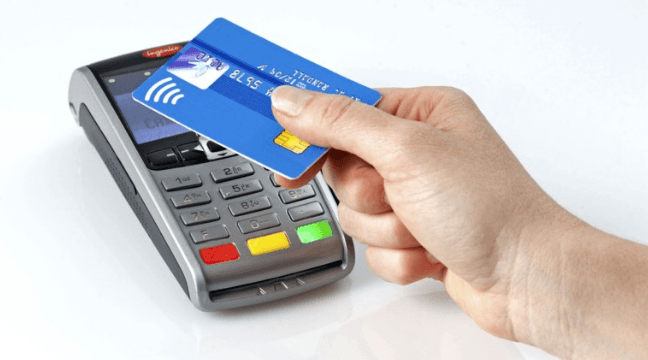
A PIN pad lets cardholders safely enter their PIN during POS transactions and lets contactless cards be tapped to transfer card data to the POS. Here is how it works.

Photo of a POS terminal related to EMV Issuer Action Code settings

Online & Authorization

Issuer Action Code (IAC)

These are codes that communicate the issuer's conditions for approving a transaction online (IAC-Online), for declining it (IAC-Denial), or for declining it when the terminal cannot go online (IAC-Default).

Table of ISO 8583 amount and currency field values for a sample transaction

ISO 8583

ISO 8583 Field Descriptions (F4, F5, F6, F49, F50, F51)

Fields F4, F5, F6, F49, F50, and F51 are the Amount and Currency fields sent in the authorization message. For example, for a 300 Euro transaction, the amount and currency information sent in these fields is as follows.

Illustration representing payment card BIN numbers and card schemes

Credit Card

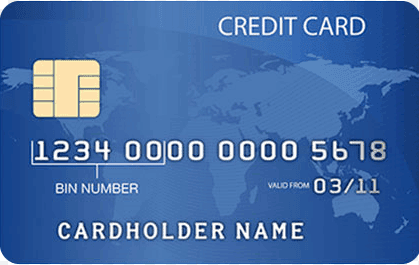
Which BINs Do Payment Schemes Work With?

Banks increase the variety of their products and services to serve customers better. When introducing new products, they usually issue them under a new BIN. So are there valid rules for obtaining a new BIN (Bank Identification Number)?

Diagram explaining how an offline chip card transaction is approved without contacting the bank

Merchant & POS

What Is an Offline Transaction?

When a chip card transaction is made at a POS, it may be approved by the card and the POS alone, without reaching any system (issuer or acquirer). When do the issuer and acquirer find out about it?