Skip to content

Search

"issuing"

352 articles found

Illustration representing the products and services KKB offers directly to its member institutions

Credit Card

What Products and Services Does KKB Offer Directly to Members?

KKB was established, under banking law, to enable the exchange of all kinds of information and documents among at least five banks, and it also shares credit information about customers. The Credit Bureau of Turkey also serves deposit banks, participation banks, financial institutions, and more.

Istanbulkart transit and payment card

Credit Card

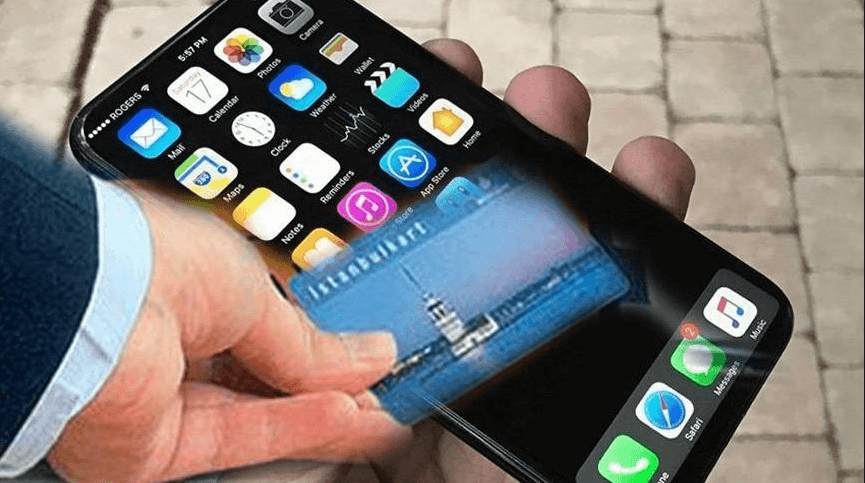
Istanbulkart: Both Transit Card and Payment Card

When I think back to the Akbil I used when I first arrived in Istanbul, I think it's fair to say that Istanbulkart has undergone a very significant transformation. Users can now track activity, top up and view balances right from their phones.

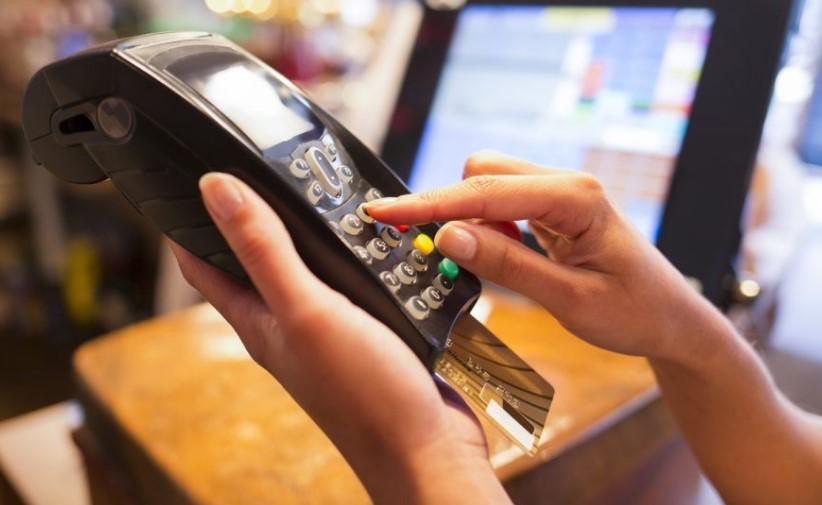
Credit card being inserted into a merchant POS terminal

Credit Card

What Is the Transaction Life Cycle in the Card World?

As credit cards become more and more a part of our lives, we now make almost all our purchases without cash. We inserted our card into the merchant's POS. We made a 100 TRY sale transaction. We received a receipt confirming it was successful.

POS terminal used for card payment transactions

Merchant & POS

What is On-Us Leakage?

On-Us Leakage is a term used in the world of payment systems. On-us means the card-issuing bank and the POS-acquiring bank are the same. So what does on-us leakage mean in this context?

Diagram explaining ISO 8583 message types 200 and 210

Payment Systems

What Are 200 and 210 Messages Used For?

Message 200 is generated for transactions initiated from POS applications, and the acquiring bank responds with message 210. Learn how 100/110 messages route approvals via the issuing bank, and common rejection reasons.

Diagram of an e-money institution and the services it can provide under Law No. 6493

Payment Institutions & E-Money

What Is an E-Money Institution? Which Services Can It Provide Under Law No. 6493?

The Law defines e-money as monetary value issued in exchange for funds accepted by the issuer, stored electronically, used for payment transactions and accepted as a payment instrument by persons other than the issuer. This post explains e-money institutions and the services they may provide.