Skip to content

Search

"key management"

38 articles found

Timeline of EMV version history

EMV

What are the EMV Versions?

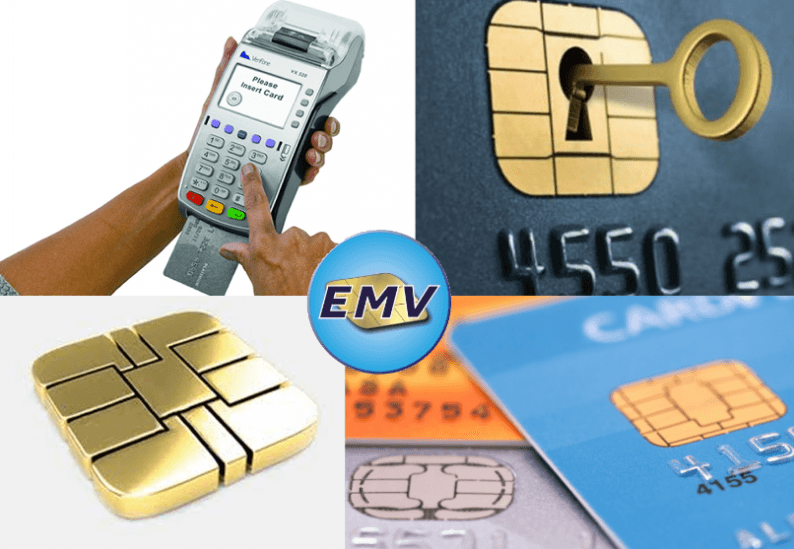
The history of EMV versions is given below: EMV was standardized in 1995. EMV 3.0, released in 1996, was the first widely used version, commonly known as EMV '96. In 1998, additions were made to EMV 3.0.

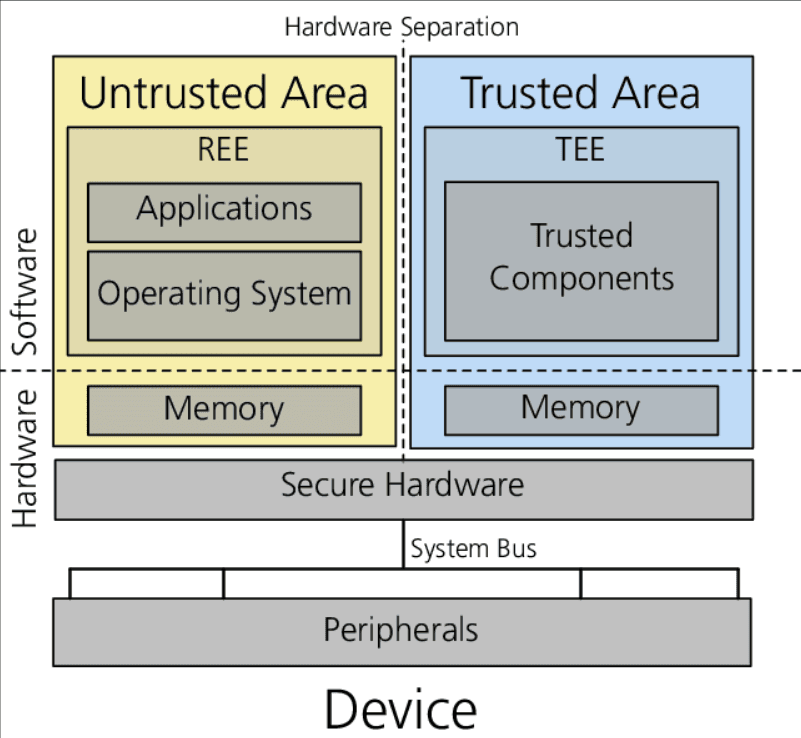
Diagram illustrating a Trusted Execution Environment (TEE) architecture

HSM & Security

What is TEE (Trusted Execution Environment)?

A Trusted Execution Environment (TEE) is an environment where executed code and accessed data are isolated and protected in terms of confidentiality (no one has access to the data) and integrity (no one can alter the code or its behavior). We may not realize it, but many…

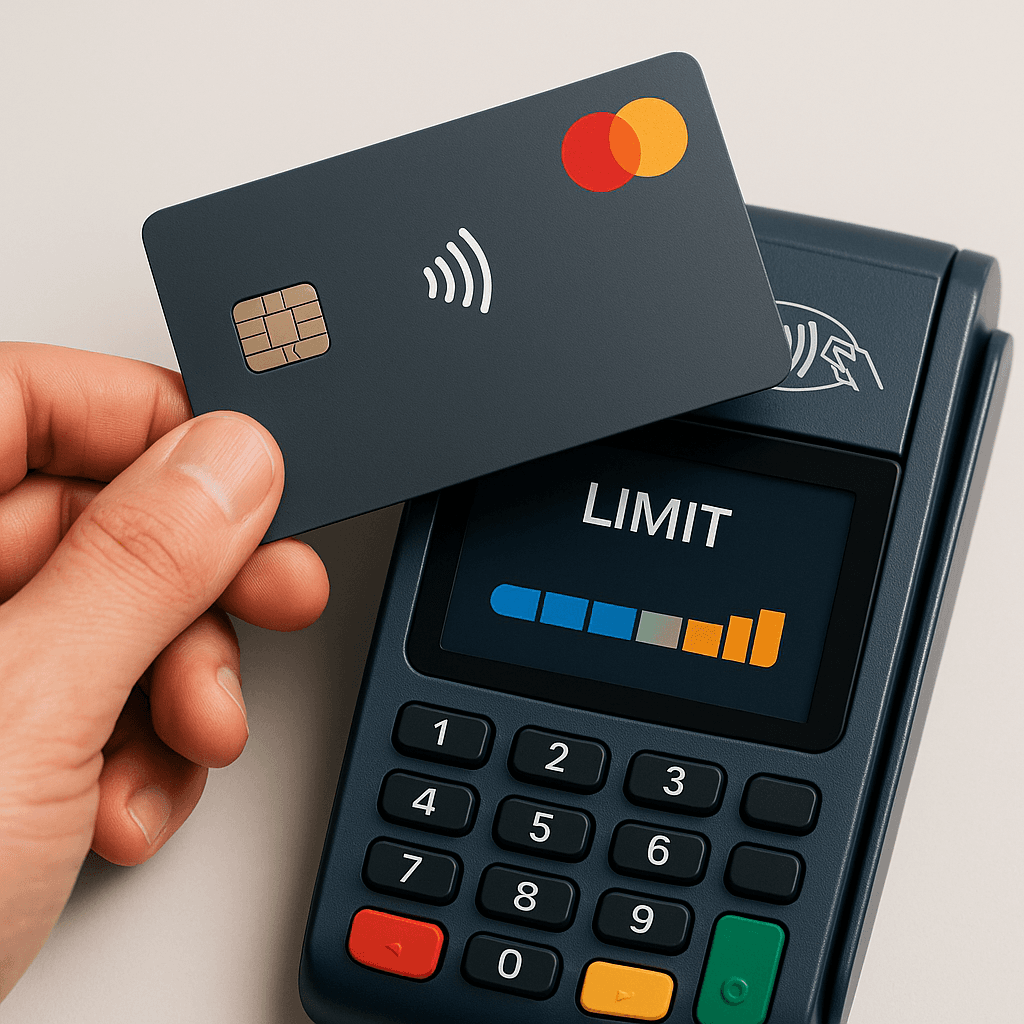
Illustration of dynamic CVM limit management for contactless card payments

Payment Systems

Dynamic CVM Limit Management Approach: A New Era in Card Security

One of the most notable recent developments in card payments is that contactless limits are no longer fixed and can be managed dynamically per customer. Mastercard and Visa are taking different but complementary approaches, and ISO 8583 may need to evolve with them.

HCE terminology and architecture diagram

HCE

Terms Used in HCE Terminology

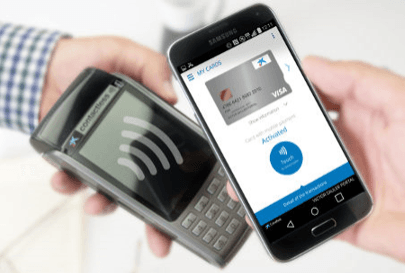
When we talk about HCE methodology, many interacting architectural components come to mind. The core terms describing this architecture are listed below, starting with GCM/FCM (Google/Firebase Cloud Messaging), a service for sending push notifications.

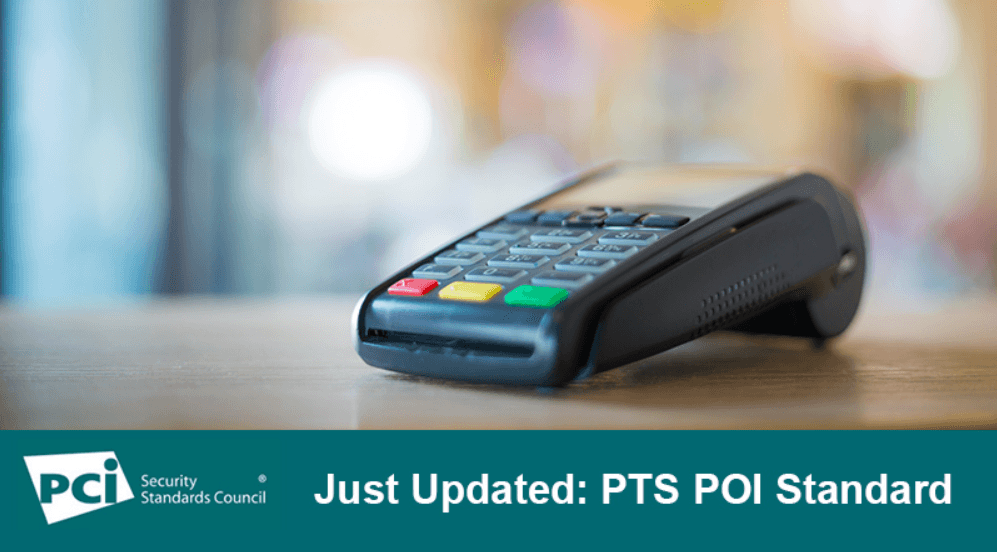
PIN pad device used for PCI PIN Transaction Security compliance

Payment Systems

What is PCI PIN Transaction Security Point of Interaction?

PCI Point of Interaction (POI) was introduced to minimize risk in card transactions. PCI POI Security Requirements cover physical and logical security for both online and offline PIN entry devices (PED) and secure card readers.

Diagram illustrating the EMV Tag-Length-Value (TLV) data structure used in card transactions

Online & Authorization

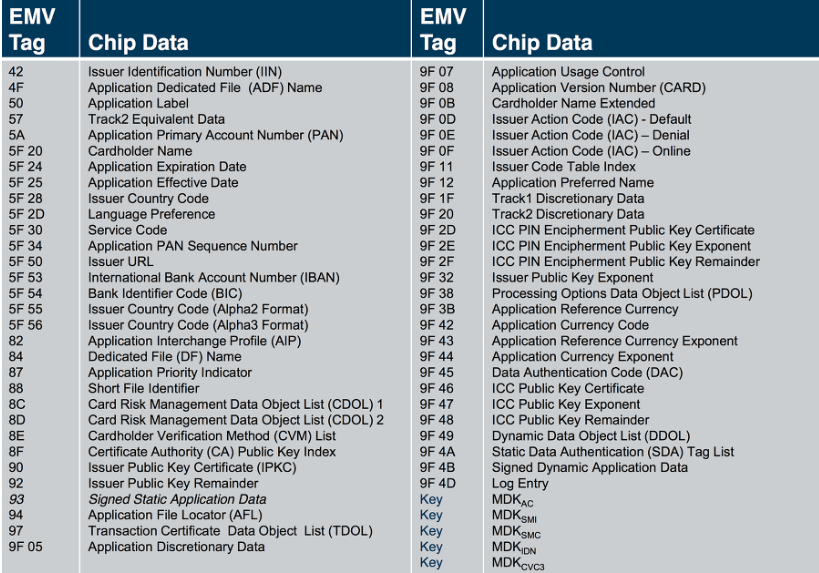
What are EMV Tags?

In EMV, data is stored in Tag-Length-Value (TLV) format, and it is carried between the card, the POS terminal, and the authorization system in this same format. This post lists every EMV Tag, its type, and its description.

Diagram illustrating how parameters such as BIN lists and keys are loaded onto a POS terminal

Merchant & POS

What Does Loading Parameters onto a POS Mean?

Loading parameters onto a POS transfers BIN lists, key data, and refund/cancellation authorizations from the management system onto the terminal. Learn how and when it happens.

Diagram illustrating the Card Personalization Validation (CPV) process

Credit Card

What is CPV (Card Personalization Validation)?

CPV stands for Card Personalization Validation. It is Mastercard's term for the set of recommendations and instructions defined for the card personalization process. The equivalent for Visa is called GPR (Global Personalization Requirements).

Diagram showing different types of POS terminals used for card payments

Merchant & POS

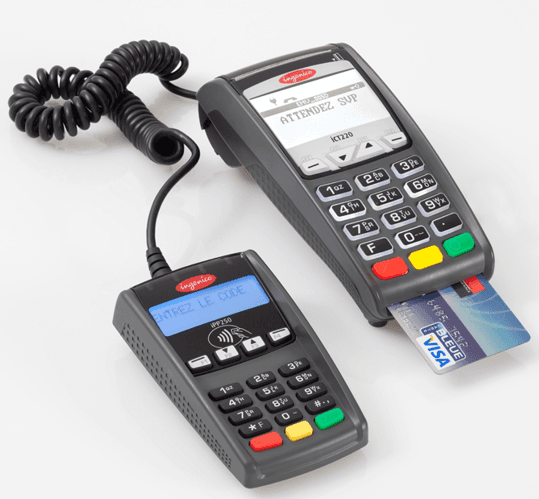
What Is a POS (Point of Sale)?

Virtual or electronic authorization devices connected to a bank, used by merchants to accept card payments. The term comes from the English phrase Point of Sale. Covers POS types by communication method, their advantages, who can use one, and the transactions a POS can perform.