Skip to content

Search

"transaction date"

185 articles found

Illustration representing the chargeback and dispute process in card payments

Chargeback

What Are the Domestic Exceptions to Chargeback Rules?

A chargeback is the refund of an amount paid by credit card to the cardholder's card when the purchased goods or services were not received, or when a transaction was not actually carried out by the cardholder.

Card refund receipt standards illustration

Merchant & POS

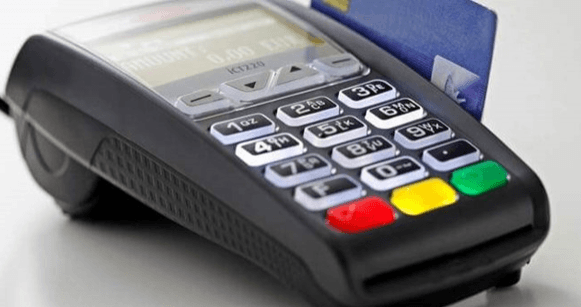
What Are the Standards for Refund Receipts?

Cardholders may request a refund through the merchant for POS transactions due to wrong deliveries, returned goods and similar reasons. Here is the information a refund receipt must contain, including extra fields for e-commerce.

Example of a POS transaction receipt (slip)

Merchant & POS

Don't Dismiss the POS Receipt

In daily credit card purchases, the POS produces two receipts: the Customer Copy and the Merchant Copy. The cardholder gets the customer copy; the merchant keeps its own copy by law.

Processing Options Data Object List (PDOL) diagram

Merchant & POS

Processing Options Data Object List (PDOL)

Contains the terminal-resident data objects (tags and lengths) that the ICC needs when processing the GET PROCESSING OPTIONS command. In short, it is the list of information the card requests from the terminal before starting the transaction.

Diagram illustrating the TLV (Tag-Length-Value) data structure

Online & Authorization

What is TLV (Tag-Length-Value)?

TLV is a data storage method used to speed up the parsing of data. For example, reading data from a card's chip at a POS and carrying it through authorization uses the TLV structure.

Recurring card payments and subscriptions illustration

Merchant & POS

What Is Recurring Billing?

Recurring billing is the automatic collection of payments at set intervals and amounts by storing the customer's card details on a secure, PCI DSS-certified infrastructure.

Diagram showing the structure of an ISO 8583 message

ISO 8583

What Fields Make Up ISO 8583?

We covered the ISO 8583 basics in an earlier article. This post explains the ISO 8583 message structure in detail: every ISO 8583 message consists of three main parts - the MTI (Message Type Indicator), the Bitmap, and the Data Elements.

Diagram illustrating how bank fraud detection systems analyze transactions

Fraud

How Do Fraud Applications Work?

Fraud management is used to detect possible fraud on customer accounts and provides additional security for transactions when necessary, making it one of the top priorities for banks.

Diagram illustrating the ISO 8583 F55 field structure for ICC system related data

ISO 8583

ISO 8583 Field Descriptions (F55)

F55 - INTEGRATED CIRCUIT CARD (ICC) SYSTEM RELATED DATA: the field where EMV data is written on chip cards. It consists of components such as Position, Private Data Subelements, PDS Tag, PDS Length, and PDS Value...

Credit card limit and over-limit spending illustration

Credit Card

Do I Pay an Extra Fee If I Exceed My Credit Card Limit?

If you exceed your limit by no more than 20% and close it in the next statement period, no more than twice a calendar year, only contractual interest is charged on the excess amount. You pay no additional fee.

ISO 8583 F90 original data elements field layout diagram

ISO 8583

ISO 8583 Field Descriptions (F90)

F90 - ORIGINAL DATA ELEMENTS: the data elements from an original message, designed to identify the transaction in correction or reversal transactions. Subfields: Original MTI, Original DE 11 (STAN), Original DE 7, Original DE 32, Original DE 33.

Credit card and statement illustrating pending transactions

Credit Card

If I close my credit card, are the transactions made on it deleted?

A credit card is a payment instrument that lets a customer borrow up to a limit set by the bank after evaluating certain criteria. Transactions made on the card are first recorded in the current-period transactions, then posted as debt on the statement date.