Credit Card
What is CVV/CVC?
CVV is short for Card Verification Value, a term used by Visa. CVC is short for Card Verification Code, a term used by MasterCard. The CVV/CVC code is used for cardholder verification and to reduce fraud risk.
Search
77 articles found
Credit Card
CVV is short for Card Verification Value, a term used by Visa. CVC is short for Card Verification Code, a term used by MasterCard. The CVV/CVC code is used for cardholder verification and to reduce fraud risk.

Credit Card
A credit card number created based on a credit card, not physically printed, usable in all virtual purchases (mail order, e-commerce, etc.). It is generated instantly upon request, usable right away, created with a zero limit, and free of charge.
Credit Card
A 2-character field written to the card's chip data that increases by 1 with each card renewal, allowing authorization to distinguish between the old and new card. This means that, theoretically, assuming no other conditions prevent it, a...

Merchant & POS
A Card Recovery Bulletin is a list of problem cards (lost, stolen, expired, over-limit, counterfeit or otherwise flagged) published by card schemes such as Visa or MasterCard. It shows whether a card number is listed on the date of purchase.
Credit Card
Cases where authorization approval is declined have always puzzled cardholders. Whenever the response code requires contacting the issuing bank (usually for declined transactions), the date, amount, and response code of the failed transaction become very important.
Credit Card
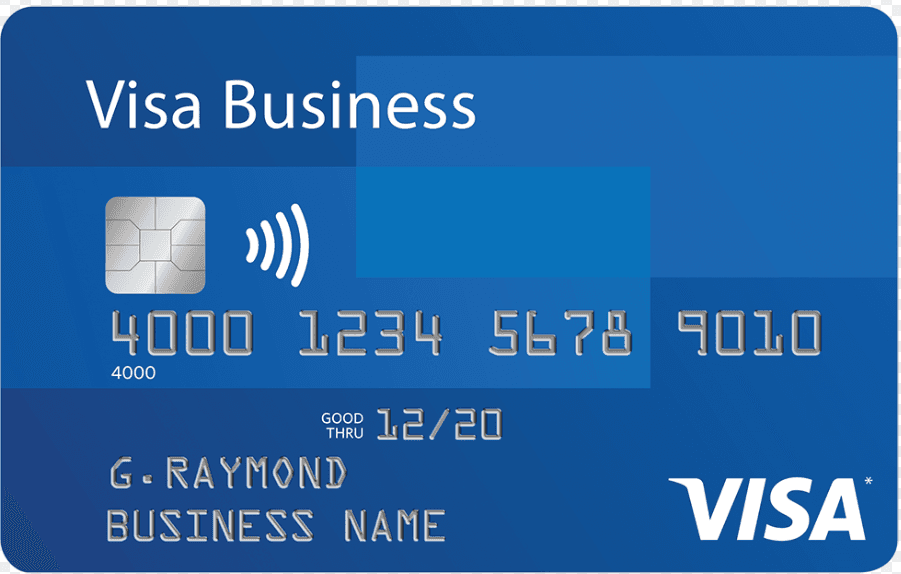
The customer's name printed on credit and debit cards is called the emboss name. But can we print an unlimited amount of name information on the card? There is a specific area reserved on the card for it.
Credit Card
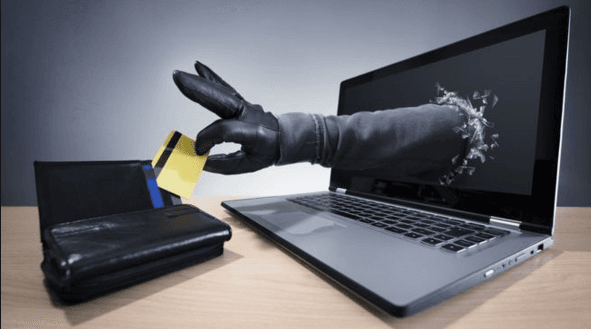
Credit card fraud is generally committed using the card itself, using card details without the card, via excess or duplicate withdrawals, or by seizing identity information. ATM card trapping is common, since ATMs hold the card during the transaction.

Chargeback
A chargeback is when a cardholder asks the issuing bank to refund a transaction made without their knowledge. It cannot be prevented entirely, but simple precautions can minimize the risk. Here is how the process works and what cardholders should do.

ISO 8583
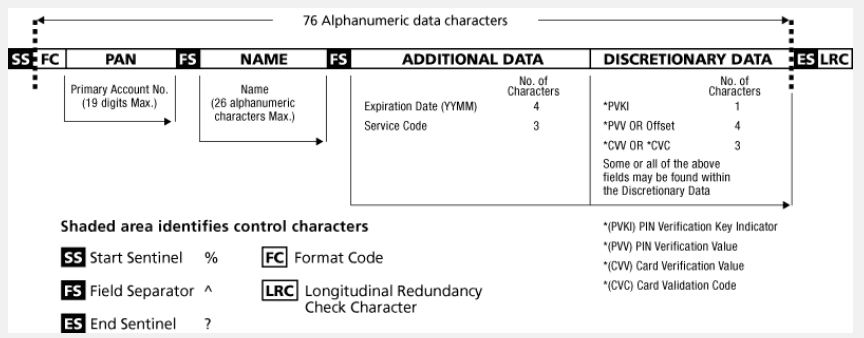
F35 TRACK-2 DATA: The values printed to the card's Track 2 data in ISO 7813 format, including field separators and start/end sentinels, but excluding LRC (Longitudinal Redundancy Check) characters. It is 37 characters long.
Credit Card
Track 1 is a special data set encoded on a card's magnetic stripe that contains the card information required for authorization when the card is used physically. It includes the cardholder name, card number, and expiration date.
Credit Card
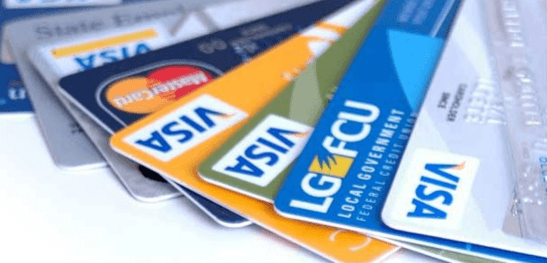
With the advancement of technology, the use of credit cards in online transactions and the variety of payment methods have increased. To make an online transaction with a credit card, you need: Card Number, Expiration Date, and CVV2 (the 3-digit number on the back of the card).
Credit Card
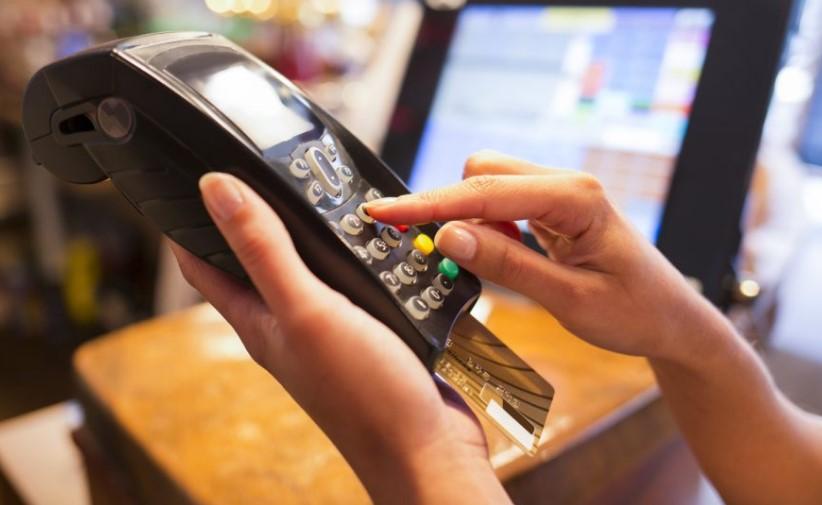
When the card-issuing bank and the POS bank are different, first obtaining authorization and then running the clearing process to finalize the transaction is called Dual Messaging. So why is a dual message structure needed?