Skip to content

Search

"Card Processing"

311 articles found

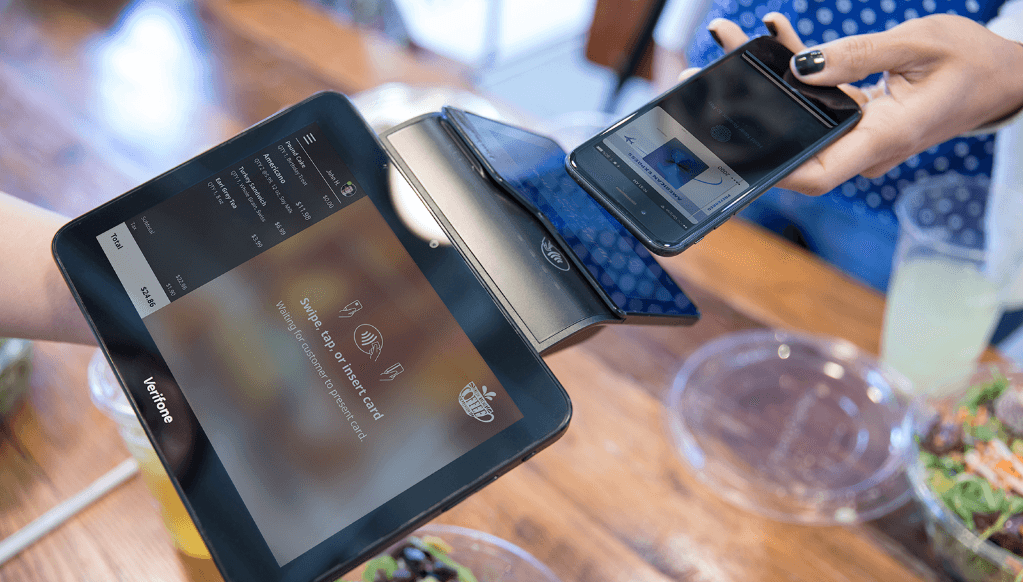
Diagram of a smartphone using Magnetic Secure Transmission (MST) to emit a signal that mimics a card's magnetic stripe at a POS terminal

Merchant & POS

What is MST (Magnetic Secure Transmission)?

Magnetic Secure Transmission (MST) is a mobile payment technology in which devices such as smartphones emit a signal that mimics the magnetic stripe on a traditional payment card, letting a physical card's POS use be imitated without upgrading terminal software or hardware.

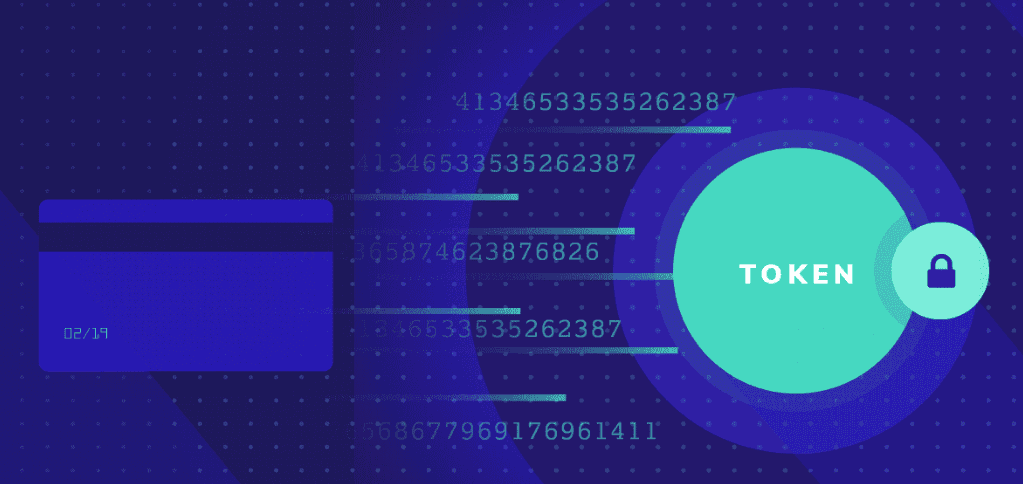
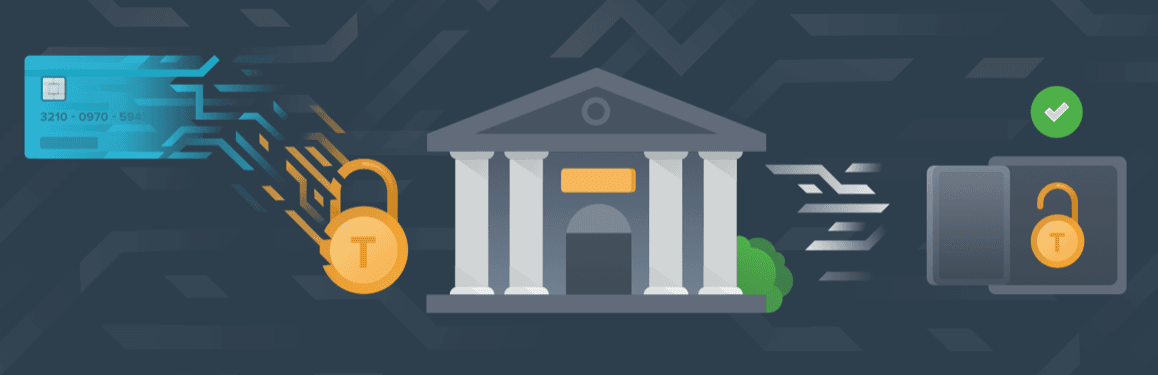
Diagram illustrating the tokenization and detokenization process for card payments

HCE

What Are Tokenization and Detokenization?

Tokenization generates secure data from a credit card number, using specific algorithms, for use during authorization. In CNP transactions, it removes the risk of storing or compromising the original card number.

Processing Options Data Object List (PDOL) diagram

Merchant & POS

Processing Options Data Object List (PDOL)

Contains the terminal-resident data objects (tags and lengths) that the ICC needs when processing the GET PROCESSING OPTIONS command. In short, it is the list of information the card requests from the terminal before starting the transaction.

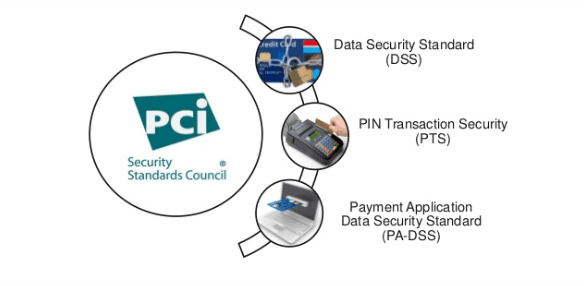
Illustration representing PIN Transaction Security (PTS) certified payment devices

Merchant & POS

What is PIN Transaction Security (PTS)?

PIN Transaction Security (PTS) verifies that card data and PIN information are used for a payment transaction. It is a set of modular evaluation requirements managed by the PCI Security Standards Council for PIN-accepting terminals.

PCI DSS Qualified Security Assessor illustration

Security

What Is a Qualified Security Assessor (QSA)?

A Qualified Security Assessor (QSA) is a person approved by the PCI Security Standards Council to audit merchants for compliance with the Payment Card Industry Data Security Standard.

Diagram showing the structure of an ISO 8583 message

ISO 8583

What Fields Make Up ISO 8583?

We covered the ISO 8583 basics in an earlier article. This post explains the ISO 8583 message structure in detail: every ISO 8583 message consists of three main parts - the MTI (Message Type Indicator), the Bitmap, and the Data Elements.

Diagram illustrating the properties and lifecycle of a tokenized card number as it moves through the payment network

HCE

What Are the Characteristics of a Tokenized Card Number?

A tokenized card number replaces a physical card number so transactions can be carried out securely. It is generated by the TSP (Token Service Provider), used by the cardholder or merchant, and travels across the payment systems network.

Diagram showing membership types for Visa and Mastercard card schemes

Credit Card

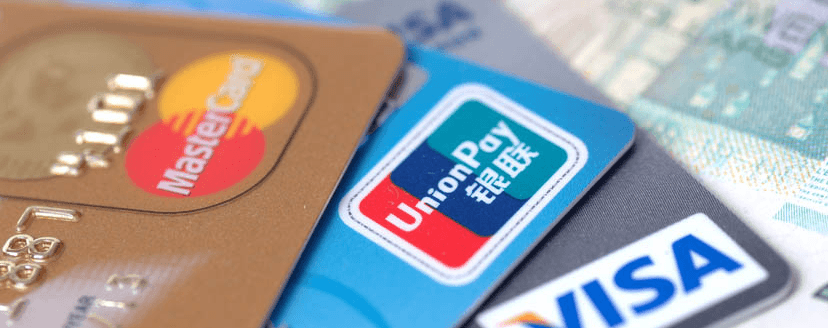
How Many Types of Membership Are There by Card Scheme?

Banks must go through a costly, arduous process to issue cards (issuer) and accept cards (acquirer), paying high entry fees to international license providers and local organizations such as BKM.

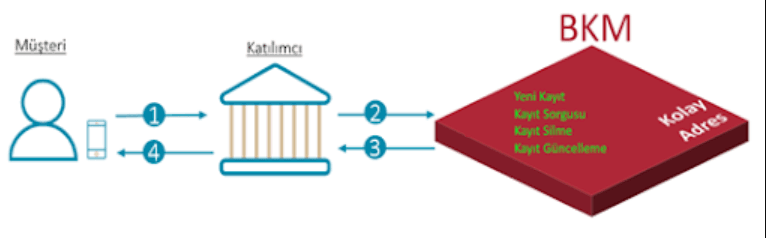
Easy Addressing System (KOLAS) participation diagram

FAST

Which Institutions Can Provide the Easy Address Service?

To offer the Easy Address service, an institution needs approval from the Central Bank of the Republic of Türkiye (CBRT), documented eligibility to participate in FAST or EFT, and completed administrative and technical processes with BKM.

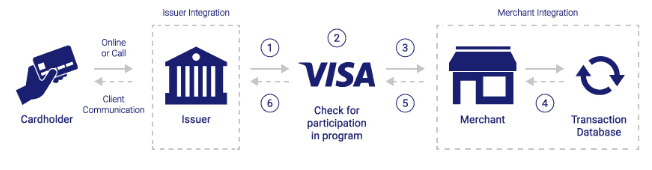
Visa Merchant Purchase Inquiry (VMPI) process diagram

Fraud

What is Visa Merchant Purchase Inquiry (VMPI)?

Chargeback is the process of refunding a credit card payment when the goods or services that should have been received were not, or when transactions not made by the cardholder are identified. In Turkish it is translated as reversal of presentment.

Diagram of the chargeback process between cardholder, issuer and acquirer

Chargeback

How to Reduce Chargebacks (For Cardholders)

A chargeback is when a cardholder asks the issuing bank to refund a transaction made without their knowledge. It cannot be prevented entirely, but simple precautions can minimize the risk. Here is how the process works and what cardholders should do.