Skip to content

Search

"EMV"

54 articles found

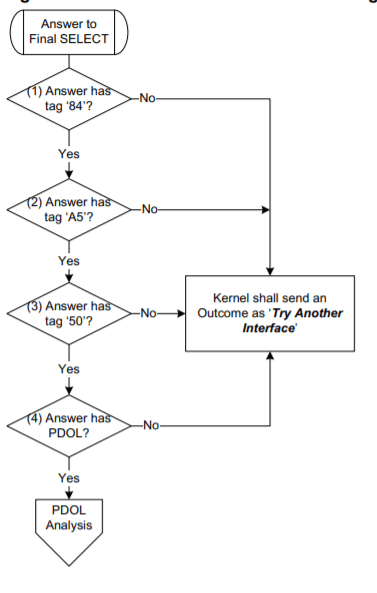
Processing Options Data Object List (PDOL) diagram

Merchant & POS

Processing Options Data Object List (PDOL)

Contains the terminal-resident data objects (tags and lengths) that the ICC needs when processing the GET PROCESSING OPTIONS command. In short, it is the list of information the card requests from the terminal before starting the transaction.
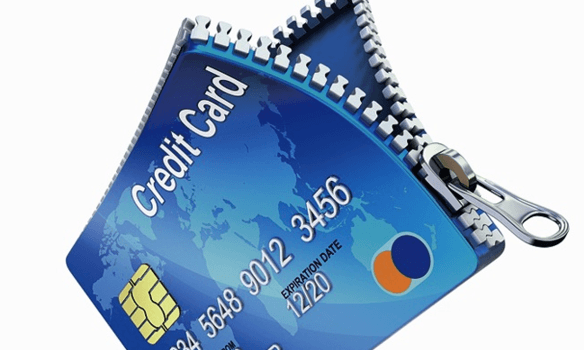
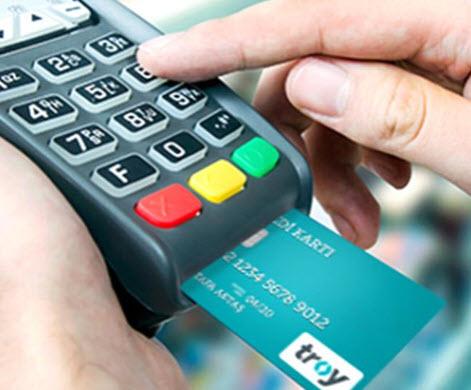
Illustration of a point-of-sale terminal checking a card against a warning list

Merchant & POS

What is the Combined Warning List (BUL)?

The Combined Warning List (BUL) lists card numbers the issuer wants blocked (lost, stolen, counterfeit, etc.), which acquiring merchants check within certain limits, at their own risk, when online authorization cannot be obtained.

POS terminal used for EMV card payment processing

Merchant & POS

TVR (Terminal Verification Results)

Terminal Verification Results (TVR): a sequence of bits produced when a terminal reads an EMV card, based on logical checks such as an expired card. This data object is used to decide whether a payment transaction should be accepted online, declined, or allowed to proceed.

Illustration representing the steps involved in launching a new payment card product

Credit Card

What Should Be Considered When Launching a New Product?

The following steps should be followed when launching a new product: decide on the brand, request a new BIN from the scheme (Mastercard, Visa, Troy), define the BIN in the bank's system, generate keys in the HSM, and roll it out after certification.

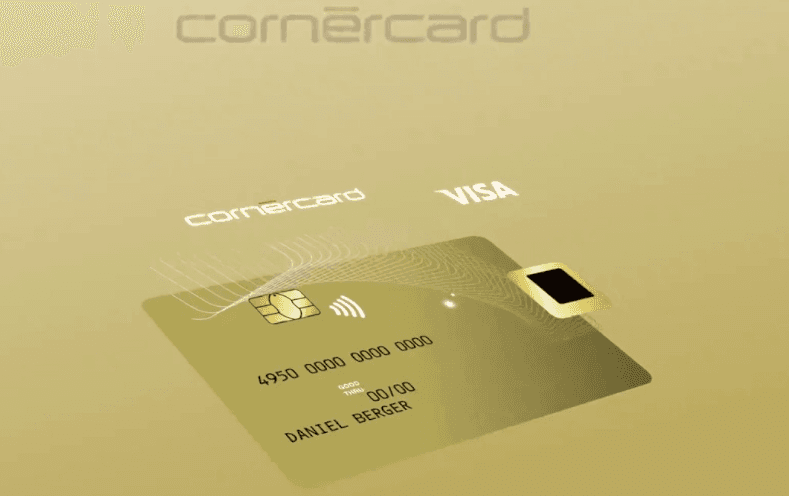
Credit card with a built-in fingerprint sensor for biometric cardholder verification

Credit Card

Who Wouldn't Want a Credit Card with a Biometric Reader?

Card security is critical in card payment systems. Chip&Pin curbed much fraud, but gaps remain. Cornercard, Gemalto and Visa launched Switzerland's first credit card with a built-in fingerprint reader. Here is how it works.

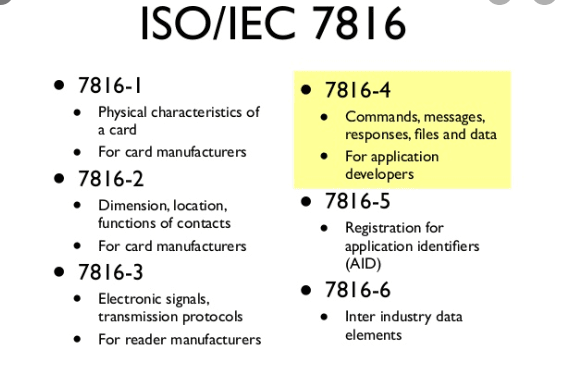
ISO/IEC 7816-5 application identifier (AID) structure

Online & Authorization

What Is ISO/IEC 7816-5?

ISO/IEC 7816-5 defines how to use an application identifier to determine whether an application is present on a card and/or to retrieve the application on the card.

Payment terminal screen displaying the Application Label of a card

Credit Card

What Is Application Label?

A mandatory alphanumeric field, 1-16 characters, sent in tag 50 of EMV transactions, representing a name related to the card application's AID in the ADF.

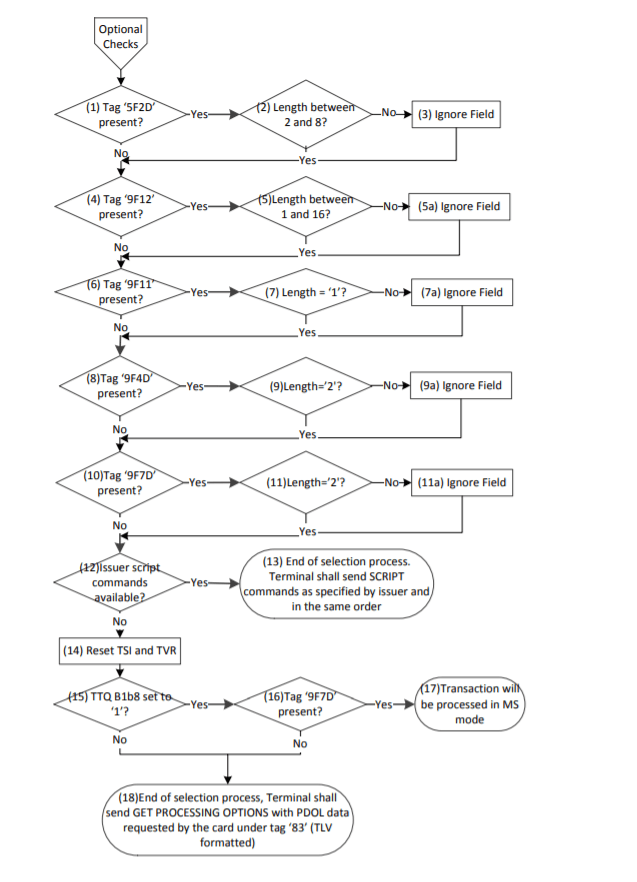
EMV Application Preferred Name tag 9F12 illustration

Credit Card

What Is Application Preferred Name?

Application Preferred Name is an optional alphanumeric EMV data element of 1–16 characters, sent in tag 9F12. It is stored on the card and gives the card application a more descriptive name than the Application Label.

Illustration explaining the concept of the first online transaction after a card PIN change

Merchant & POS

What Does First Online Transaction Mean?

In payment systems, an online transaction means the transaction is sent to the card or POS/ATM bank at the moment it occurs, and required checks are obtained from that system. So does every transaction happen online? Of course not. Especially with contactless...