Skip to content

Search

"Merchant Data"

96 articles found

Illustration of a closed-loop payment ecosystem growing through loyalty, data, and new services

Closed-Loop Payments

Why Do Closed-Loop Payment Systems Want to Grow? | Series #6

Why does a coffee chain build its own loyalty program, and why does a payment app keep adding services? This post looks at how loyalty, data, and new services drive the growth of closed-loop payment systems, and at the financial layers behind that growth.
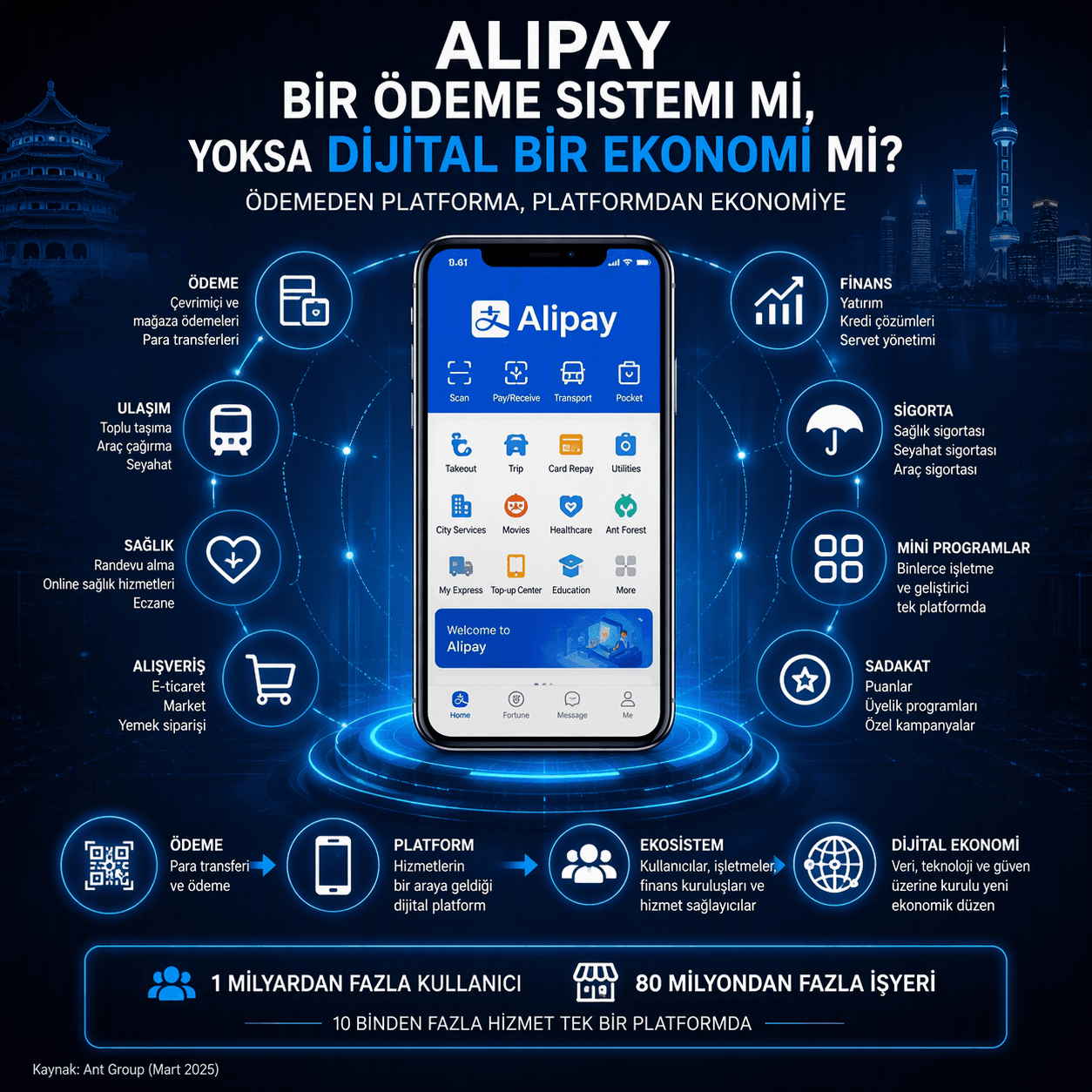

Illustration of the Alipay super app connecting payments, merchants and financial services

Closed-Loop Payments

Alipay: Payment System or Digital Economy? | Closed-Loop Payments #5

Is Alipay a payment system, or a digital economy? In the previous post we discussed how Starbucks shows that payment systems can evolve into a different structure. At first the goal was to make payment easier for the customer. As the system grew, loyalty programs...

Illustration representing credit and debit card fraud

Credit Card

Credit Card/Debit Card Fraud

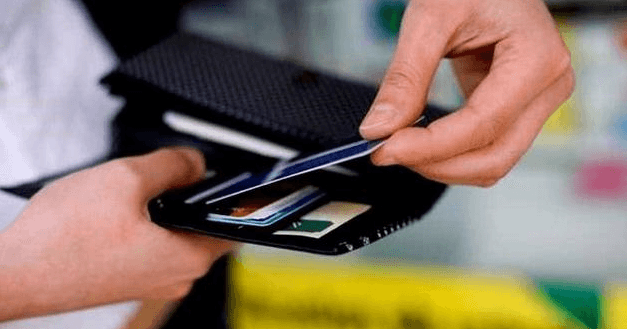
Credit card fraud is generally committed using the card itself, using card details without the card, via excess or duplicate withdrawals, or by seizing identity information. ATM card trapping is common, since ATMs hold the card during the transaction.

Diagram illustrating the EMV Tag-Length-Value (TLV) data structure used in card transactions

Online & Authorization

What are EMV Tags?

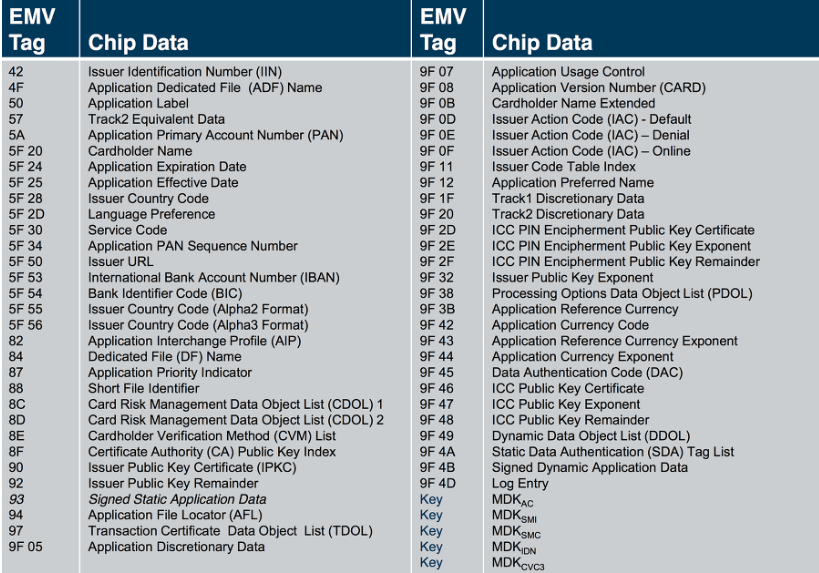
In EMV, data is stored in Tag-Length-Value (TLV) format, and it is carried between the card, the POS terminal, and the authorization system in this same format. This post lists every EMV Tag, its type, and its description.

No image

Merchant & POS

BKM Releases Data for the First 6 Months of 2020

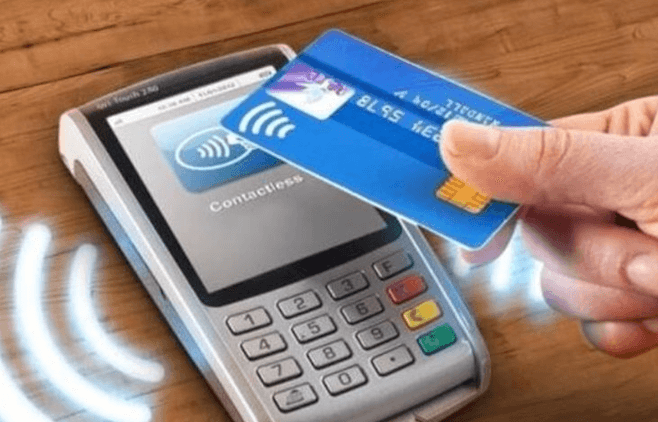
BKM publishes card usage data every three months. In the first half of 2020, card payments reached TL 500 billion, contactless payments tripled, and online card payments surged in the electronics and clothing sectors.

Diagram illustrating floor limit management on a POS terminal

Merchant & POS

How is Floor Limit Managed on POS?

The limit that governs the maximum amount for which an offline transaction can be made on a POS terminal is called the Floor Limit. POS parameter management programs (usually GMS) maintain 3 parameters for floor limit management.

Diagram of an Onus installment transaction flow between POS and HOST

Payment Systems

What are the key points in an Onus Installment project?

Before describing the Onus Installment process, it is better to first answer: what is an Onus transaction? An Onus transaction is when the acquirer and issuer are the same institution, so the transaction is processed through that institution.

EMVCo QR code payment standard illustration

Merchant & POS

What Is the EMVCo QR Standard?

QR code payments are growing, but without a common QR structure each code only works locally. EMVCo published a standard QR data structure so all payment schemes can share one QR code format at merchants.

Diagram illustrating the appeal stage of the card dispute and chargeback process between issuer, acquirer and card scheme

Payment Systems

What Is an Appeal? What Does It Mean in Payment Systems?

In payment systems, an “appeal” is the process of objecting to the outcome of a transaction dispute. It is usually discussed alongside chargebacks, but it plays a critical role in interbank dispute resolution, when a party asks the card scheme to re-evaluate a concluded decision.