Skip to content

Search

"Message Fields"

66 articles found

Example of a 3D Secure verification screen displaying a Personal Assurance Message

Security

What is PAM (Personal Assurance Message)?

PAM (Personal Assurance Message) is a message that users set up for 3D Secure transactions. It appears on the password screen during checkout and confirms to the user that the screen truly comes from their own bank.


Table of ISO 8583 amount and currency field values for a sample transaction

ISO 8583

ISO 8583 Field Descriptions (F4, F5, F6, F49, F50, F51)

Fields F4, F5, F6, F49, F50, and F51 are the Amount and Currency fields sent in the authorization message. For example, for a 300 Euro transaction, the amount and currency information sent in these fields is as follows.

Table listing Turkish bank names alongside their EFT codes

Online & Authorization

What are Bank EFT Codes?

Below are the EFT codes of banks located within Turkey, which are used both during the payment systems authorization stage (Field 32) and in banking transactions.

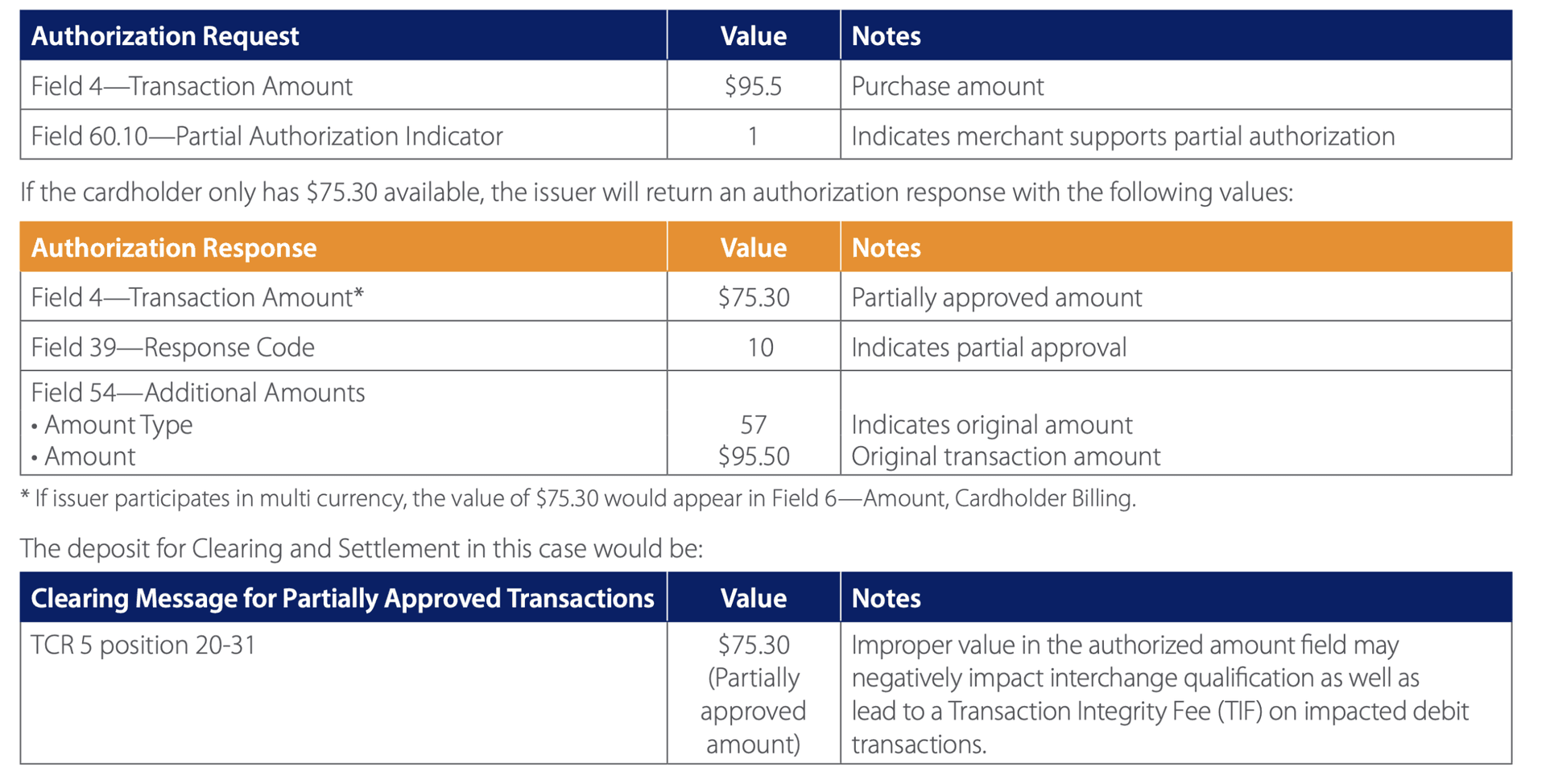
Diagram of a partial authorization where an issuer approves only part of the requested amount

Merchant & POS

What Are the Partial Authorization Requirements for an Acquirer Bank?

Partial authorization lets an issuer approve part of the requested amount when the card lacks the full balance, with the rest paid another way. This post covers the technical, receipt, clearing, reconciliation, merchant and certification requirements for acquirers.

Diagram illustrating the structure of an ISO 8583 message field

ISO 8583

ISO 8583 Field Descriptions (F14)

F14 - DATE, EXPIRATION DATE: the expiration date printed on the card by the issuing bank, a 4-digit numeric value in YYMM format. See how it's checked and why the YYMM order matters.

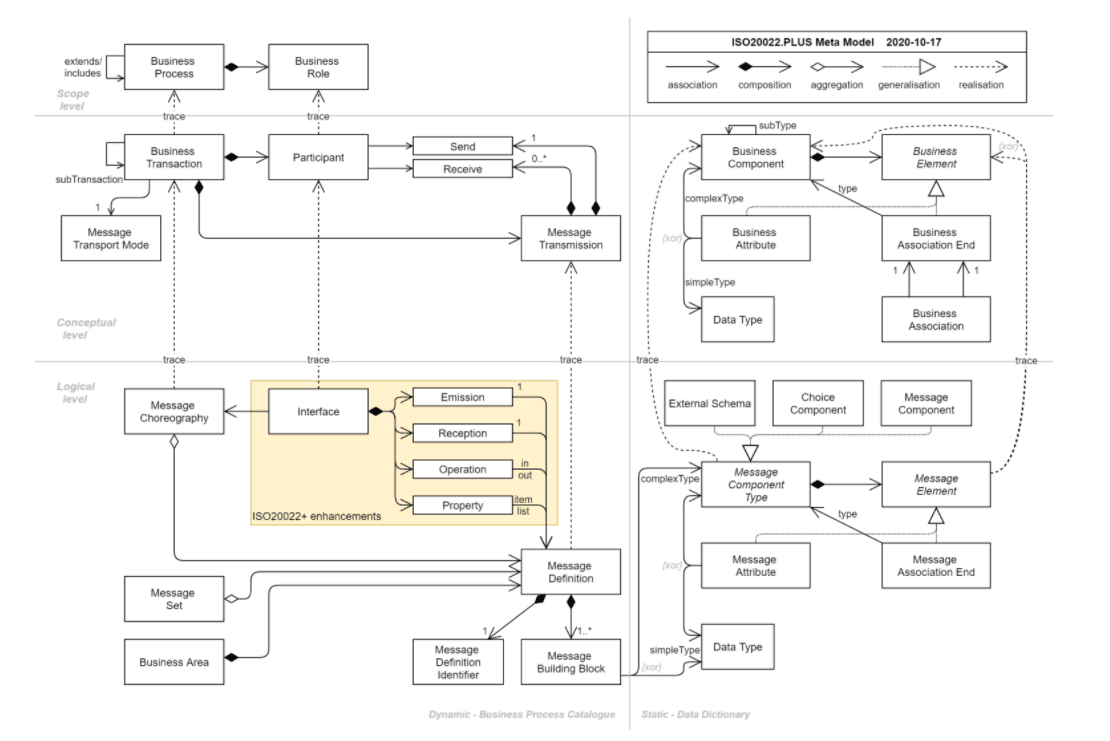
Diagram illustrating the ISO 20022 financial messaging standard

Payment Systems

What Is ISO 20022?

There are standards that keep payment systems running smoothly and reliably. One of these is ISO 20022. So what is ISO 20022, and why was it created? It is an international, XML-based financial messaging standard developed in 2009.

Diagram of a first credential-on-file transaction using stored card data

Security

What is the First Credential-On-File transaction?

The first transaction made after a customer's card data is stored with a merchant is called the First Credential-On-File transaction. BKM expects it to be flagged with the value "C" in switch message field DE48.PDS86, and BRSA draft rules govern how card data may be stored.

Diagram illustrating the ISO 8583 F39 response code field

ISO 8583

ISO 8583 Field Descriptions (F39)

F39 - RESPONSE CODE: This is the code showing whether the transaction was approved or declined. It is 2-digit alphanumeric. Typically 00 is sent when approved, and a decline reason code is sent when declined.

ISO 8583 field 13 local transaction date

ISO 8583

ISO 8583 Field Descriptions (F13)

DE 13 — Date, Local Transaction: the date on which the transaction took place at the point of transaction (ATM, POS). It is 4 digits in MMDD format.

Diagram illustrating the TLV (Tag-Length-Value) data structure

Online & Authorization

What is TLV (Tag-Length-Value)?

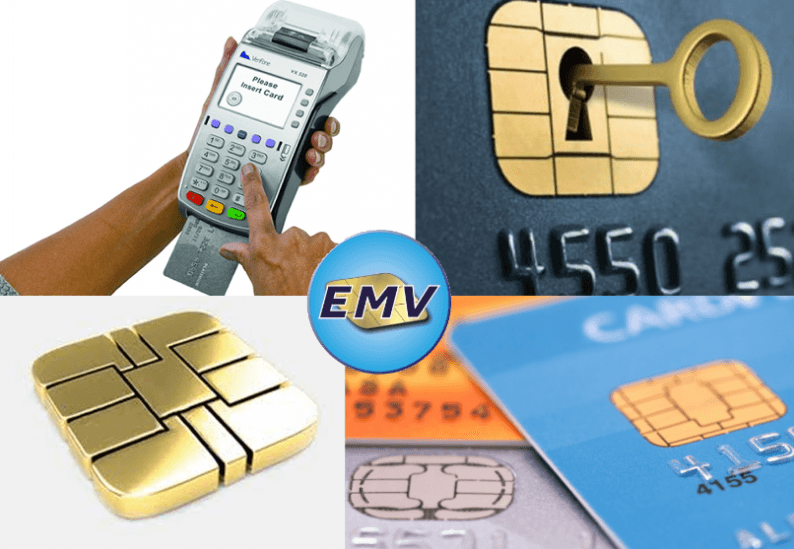
TLV is a data storage method used to speed up the parsing of data. For example, reading data from a card's chip at a POS and carrying it through authorization uses the TLV structure.

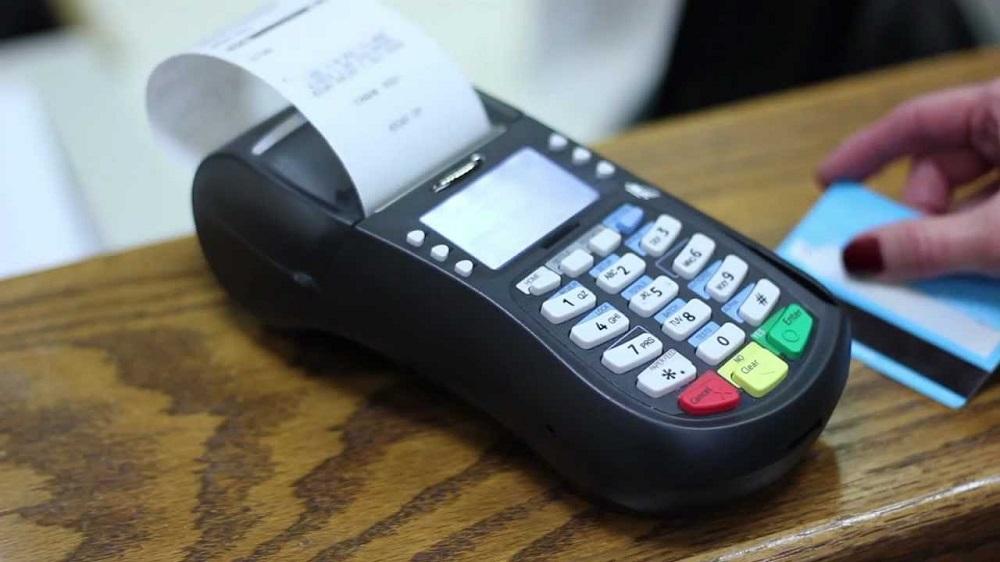
POS terminal device used for processing card transactions

Online & Authorization

Response Codes That Can Be Received in Offline Transactions

Below are the possible response code values for offline transactions and their explanations: Response Code / Explanation - Y1: Approved offline, Z1: Declined offline, Y2: Approved after referral, and more.

Illustration of a card payment approved for a partial amount

Merchant & POS

What Is Partial Authorization?

Partial Authorization lets an issuer approve part of a transaction instead of declining it when the balance or limit is insufficient. This post covers how it works in ISO 8583, whether it is mandatory, and why it matters for the business.