Skip to content

Search

"card fraud"

116 articles found

Illustration representing a payment card's transaction history

Credit Card

What Is a Card's First Transaction Date? What Is It Used For?

Banks generally keep a record in the system of a card's "First Transaction Date." This information is automatically populated by the online authorization system. So under what circumstances is it updated? First, an authorization transaction must…
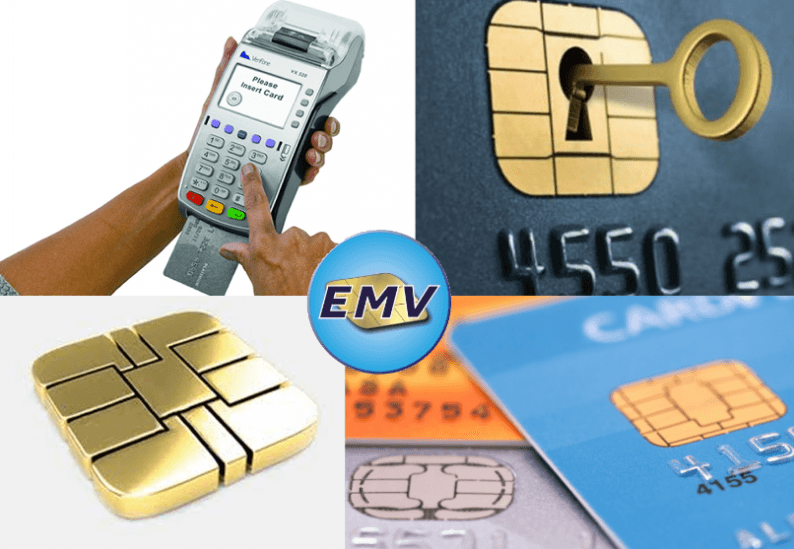

Diagram of the EMV Card Block command process

EMV

What is the Card Block command?

The Card Block command is used after card issuance to deactivate all applications within the ICC, including applications that could be selected indirectly. The components of the command are explained below.

Illustration for the question about SMS notifications in mail order transactions

From My Readers

Is there an SMS notification structure for Mail Order transactions?

I occasionally receive questions from my readers, and I answer them by email or through other channels. Since others may have similar questions, I will publish these questions on my site along with the answers. Hello Mr. Arif, I read your articles from time to time and...

Secure card storage and tokenization illustration

Merchant & POS

What Is Card Storage?

Card storage is a system, secured with PCI DSS certification, for storing credit and debit card details safely. It saves consumers from entering their card details again and again on frequent purchases.

Diagram showing payment systems components managed in-house by a bank

Merchant & POS

What Is 'In-house' in the World of Payment Systems?

In-house is a term widely used in the world of payment systems. It means that payment systems applications are managed end-to-end within the bank's own systems, both in terms of code and process.

Close-up of a payment card chip, illustrating EMV cardholder verification

Online & Authorization

Cardholder Verification in EMV (CVM)

Cardholder verification in EMV is specific to chip cards. One goal of EMV is to minimize card fraud. To do this, three parties must be verified: the bank, the cardholder, and the terminal. One of the data items taken from the card to prove identity is...

Example of a POS receipt showing a warning for a foreign card transaction

Merchant & POS

Is Identification of Foreign Customers on POS Receipts Mandatory?

Yes, it is mandatory. This requirement was introduced to prevent fraud. To fulfill their obligations regarding identification of foreign customers, banks must make one of several arrangements on receipts, such as bilingual descriptions or an explicit foreign card warning.

Illustration showing the reasons a bank may terminate a merchant agreement

Merchant & POS

Under What Circumstances Is a Merchant Agreement Terminated?

Banks check merchants against a termination list before issuing a POS device. Learn the main reasons, such as counterfeit card acceptance, excessive chargebacks, and fraud, that can lead a bank to terminate a merchant agreement.

Istanbulkart transit and payment card

Credit Card

Istanbulkart: Both Transit Card and Payment Card

When I think back to the Akbil I used when I first arrived in Istanbul, I think it's fair to say that Istanbulkart has undergone a very significant transformation. Users can now track activity, top up and view balances right from their phones.

Animated illustration of a credit card representing dynamic security code technology

Credit Card

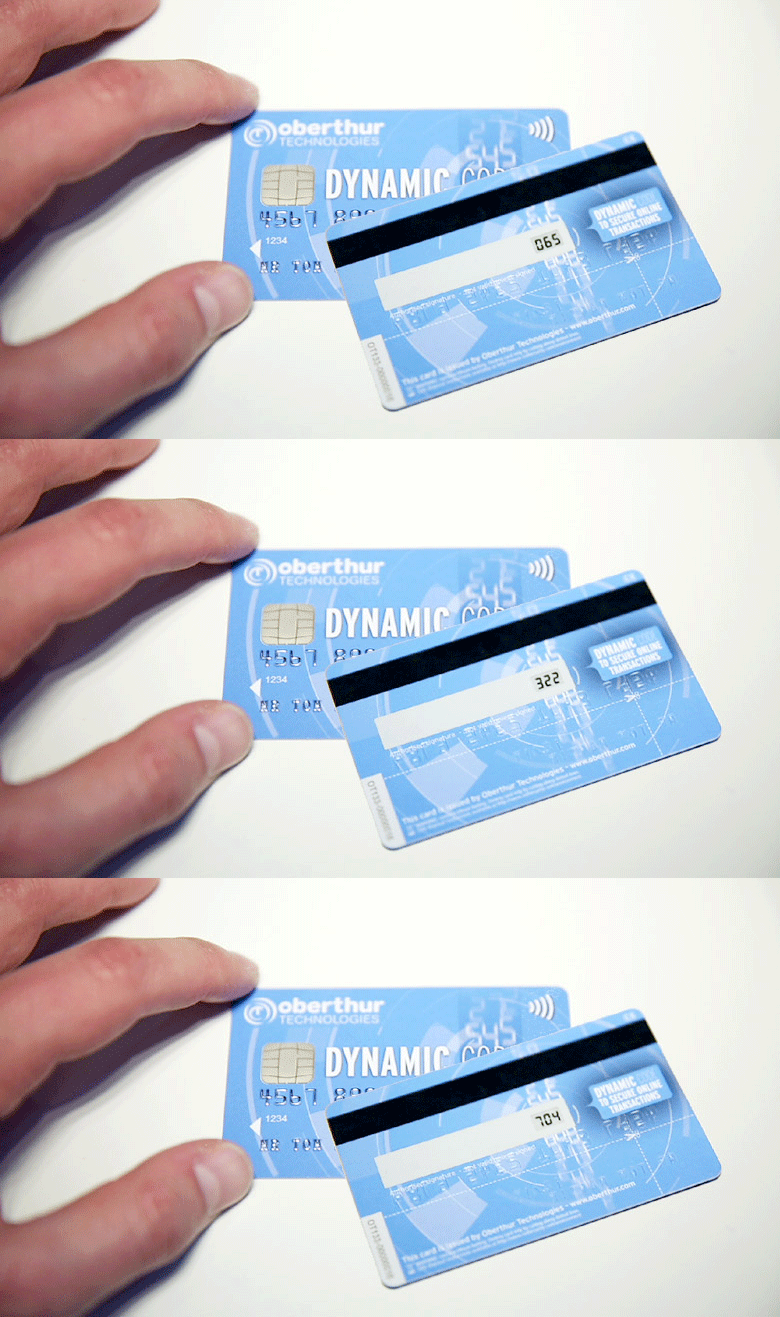
What is a Dynamic Card Security Code (CSC)?

It is a CVV2/CVC2 code that changes every few minutes instead of the static code printed on the back of a credit card, aimed at reducing fraud risk in CNP (Card Not Present) transactions.

Illustration of a fallback transaction swiping a card's magnetic stripe after a chip read failure

Merchant & POS

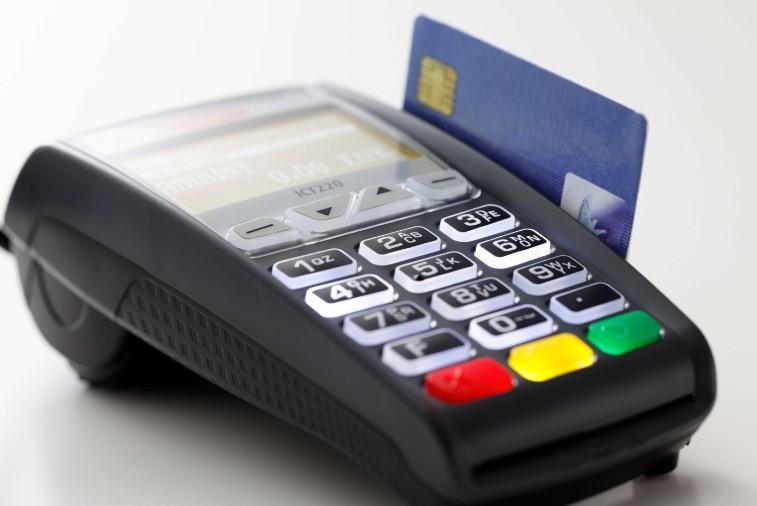
What Is a Fallback Transaction?

When a chip can't be read due to a chip fault or the card being inserted incorrectly, the transaction is completed by swiping the magnetic stripe on the right side of the POS. Can chipless cards do fallback?

Screenshot of an Address Verification Service (AVS) response code table

Merchant & POS

What is Address Verification Service (AVS)?

Address Verification Service (AVS) is a fraud prevention system that helps limit fraud and chargebacks when used effectively. It verifies that the address a customer enters matches the cardholder's address on file with the issuer.