Skip to content

Search

"card terminal"

217 articles found

Diagram illustrating how a contactless offline transaction is processed

Merchant & POS

Can a Contactless Offline Transaction Occur?

A contactless offline transaction can occur. If the amount is lower than the floor limit defined on the POS and the card also allows offline authorization, the transaction can be completed offline. Offline transactions are periodically sent by the POS to the acquiring bank.

Diagram illustrating the structure of the AFL (Application File Locator) field on an EMV card

Merchant & POS

What is AFL (Application File Locator)?

AFL (Application File Locator) is the field that shows where on the card the data needed for the authorization transaction is located. AFL is a list of the application data records on the card, and the terminal uses it to read the application data.

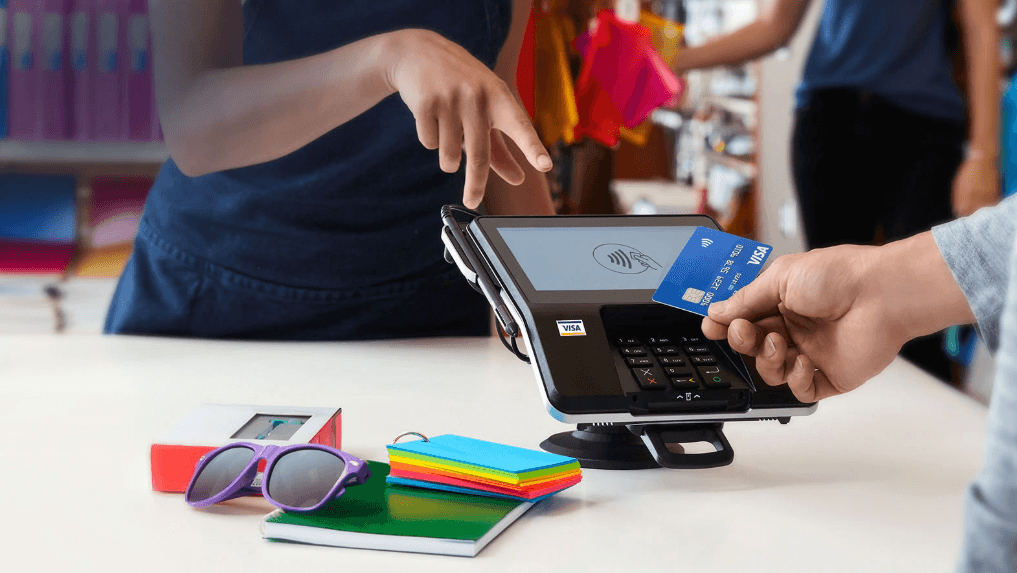
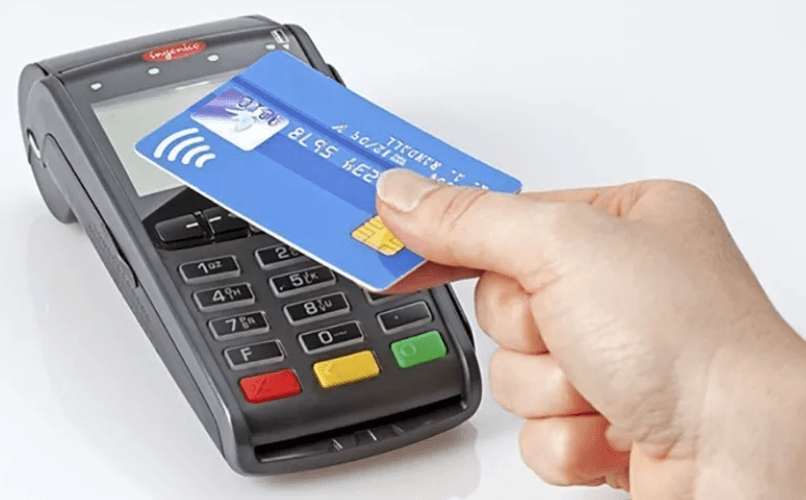
Contactless payment being made with a card at a POS terminal

Online & Authorization

When Does a Contactless Transaction Post to the Account?

A contactless transaction is a fast, secure payment made without direct contact between the card and the POS terminal (without reading the chip or magnetic stripe). Can every card be used for contactless payments? For a transaction to be contactless…

EMV application block command

EMV

What Is the Application Block Command?

The Application Block command is sent to invalidate the selected application on a card after the card has been issued. Unlike Card Block, it can be reversed.

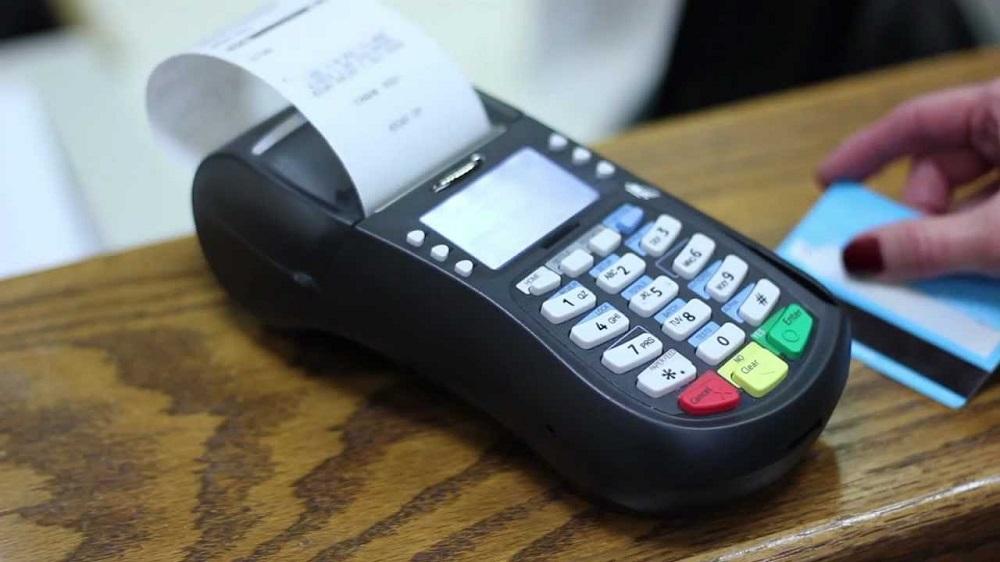
POS terminal device used for processing card transactions

Online & Authorization

Response Codes That Can Be Received in Offline Transactions

Below are the possible response code values for offline transactions and their explanations: Response Code / Explanation - Y1: Approved offline, Z1: Declined offline, Y2: Approved after referral, and more.

Illustration of a point-of-sale terminal checking a card against a warning list

Merchant & POS

What is the Combined Warning List (BUL)?

The Combined Warning List (BUL) lists card numbers the issuer wants blocked (lost, stolen, counterfeit, etc.), which acquiring merchants check within certain limits, at their own risk, when online authorization cannot be obtained.

Istanbulkart transit and payment card

Credit Card

Istanbulkart: Both Transit Card and Payment Card

When I think back to the Akbil I used when I first arrived in Istanbul, I think it's fair to say that Istanbulkart has undergone a very significant transformation. Users can now track activity, top up and view balances right from their phones.

Diagram showing the EMV chip card static data authentication (SDA) process

EMV

What is a Data Authentication Code (DAC)?

DAC is the abbreviation for Data Authentication Code. It is a piece of data assigned by the issuer and held by the terminal during the Signed Static Application Data verification process.

Diagram showing the CAT (Cardholder Activated Terminal) Indicator field used in payment authorization messages

Merchant & POS

What is the CAT (Cardholder Activated Terminal) Indicator?

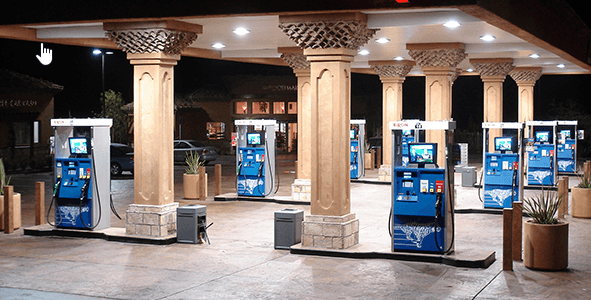
CAT (Cardholder Activated Terminal) devices are typically unattended terminals that accept various payment cards. These terminals are frequently installed at railway ticket stations, gas stations, toll roads, parking lots, and other commercial locations.

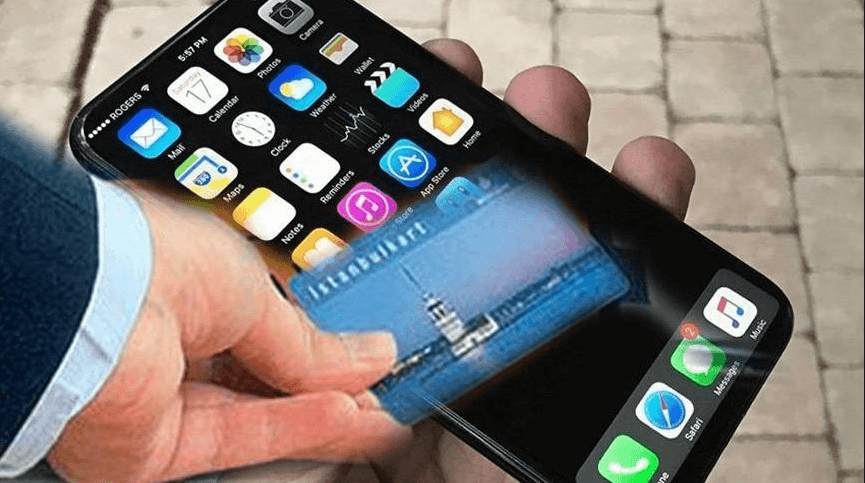
Diagram of a smartphone using Magnetic Secure Transmission (MST) to emit a signal that mimics a card's magnetic stripe at a POS terminal

Merchant & POS

What is MST (Magnetic Secure Transmission)?

Magnetic Secure Transmission (MST) is a mobile payment technology in which devices such as smartphones emit a signal that mimics the magnetic stripe on a traditional payment card, letting a physical card's POS use be imitated without upgrading terminal software or hardware.

ISO 8583 field 35 Track 2 data

ISO 8583

ISO 8583 Field Descriptions (F35)

The card's Track 2 data is carried in this field. Track 2 data contains information such as the card number, expiry date and service code.