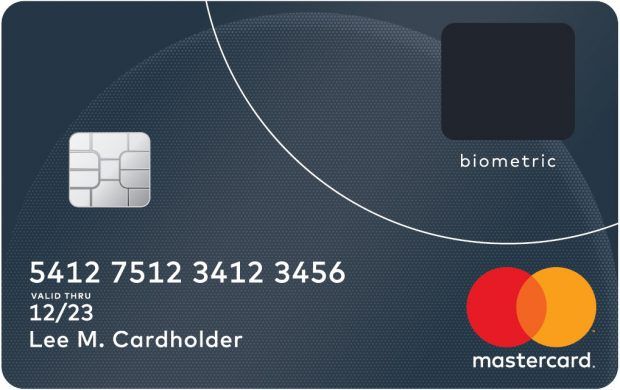
Credit Card
What is a biometric credit card?
Technology continues to make our lives easier and more secure. Old ID cards were just laminated paper; new ones became personalized and secure with biometric photos added alongside chip data.
Search
128 articles found
Credit Card
Technology continues to make our lives easier and more secure. Old ID cards were just laminated paper; new ones became personalized and secure with biometric photos added alongside chip data.

Payment Systems
The Address Verification Service (AVS) is a fraud prevention system that, when used effectively, can help limit fraud and chargebacks. This post lists the AVS response codes used by AMEX, Mastercard and Visa, with a description of each.
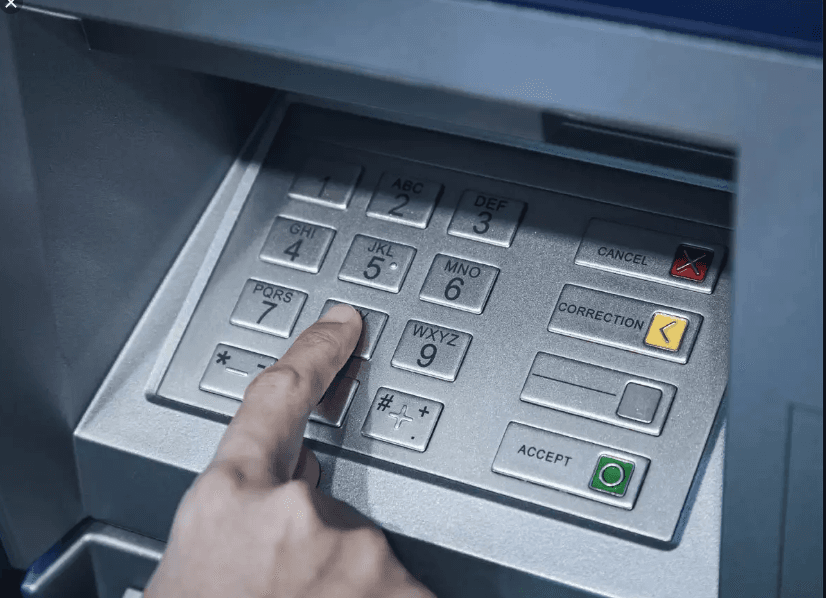
ATM
Chip-based ID cards have made our identities more secure, so they can now be used in many critical transactions. Could they also be used in the world of payments, such as at ATMs?

Agentic Commerce
Are We Ready to Give an AI Agent the Authority to Make Payments? Having long looked at complaint and dispute processes in payment systems, I think granting an agent payment authority is far different from research or product selection.

EMV
RID is part of the AID value, which is structured according to ISO/IEC 7816-5 and consists of two sections: a value specific to the application provider, and an optional field used to identify different providers or products.
Credit Card
PVKI is the abbreviation for PIN Verification Key Index. It is located within the card's Track 1 and Track 2 data and is used in PVV calculation. It can take values from 1 to 6, usually defaulting to 1.

Credit Card
What is BKM Express? BKM Express is a technical infrastructure solution developed by BKM that lets you pay securely for online purchases without sharing your card's full details. What are the advantages of BKM Express? To register your card you don't need to enter all…
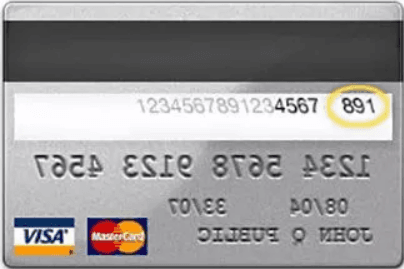
Credit Card
First, let's cover what the security code is: a 3-digit numeric value generated during card printing and printed on the card to verify the cardholder and reduce fraud risk. This value is called CVV2/CVC2.
Online & Authorization
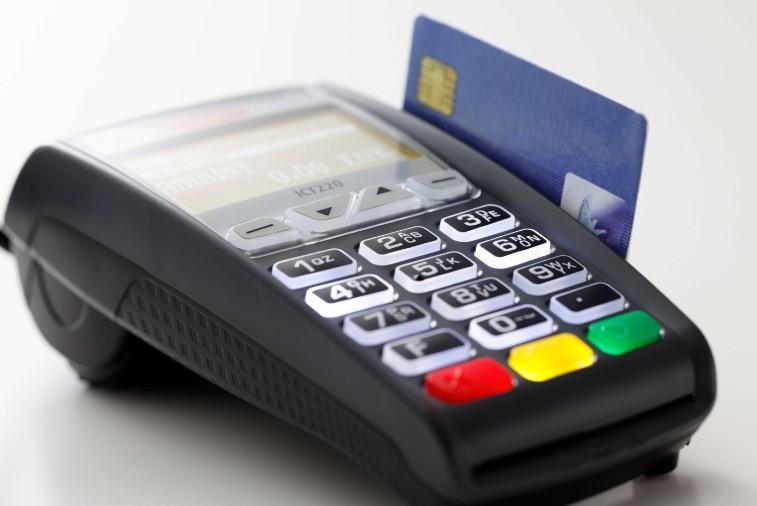
Cardholder verification in EMV is specific to chip cards. One goal of EMV is to minimize card fraud. To do this, three parties must be verified: the bank, the cardholder, and the terminal. One of the data items taken from the card to prove identity is...

HCE
There are three types of PIN strategy in HCE (Host Card Emulation): No PIN, Card PIN and Wallet PIN or customer biometric data. Each balances user experience and security differently.
Credit Card
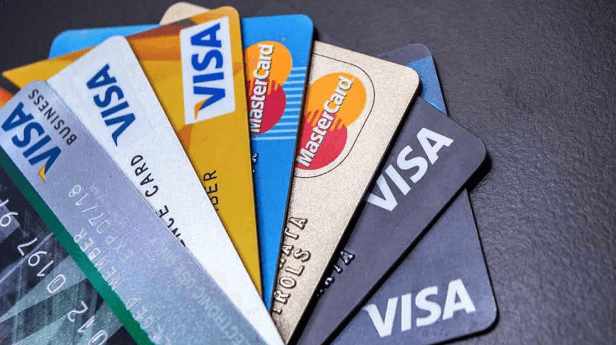
Yes. A certificate must be generated for every new BIN and loaded onto the card chip, establishing secure communication between the chip and the terminal. This is especially critical for verification in offline transactions.

Merchant & POS
In EMV-based debit card transactions, PIN verification is decisive for both security and liability. What happens when a card that only supports online PIN is sent to the issuer without a PIN, and the issuer approves it? Who owns the risk?