Skip to content

Search

"data security standards"

54 articles found

Illustration of an AI-based payment agent making payments automatically on behalf of a user

Payment Systems

What Are AI-Based Payment Agents?

Digitalization keeps changing the speed and shape of payments. AI-based payment agents pay on their own within user-defined limits and rules, completing transactions without the user initiating any action. This post explains how they work and what to watch for.

Architecture diagram of the Visa EAS Server within the Visa Secure 3-D Secure authentication flow

EMV

What Is the Visa EAS Server?

The Visa EAS Server (Extended Access Service) is a server used in Visa’s authentication infrastructure. It was developed to run the cardholder authentication process securely between banks and the Visa network, particularly within Visa Secure (3-D Secure 2.x).

Smart Payment Association (SPA) logo

Payment Systems

What is SPA (Smart Payment Association)?

The Smart Payment Association (SPA) is the trade association of the smart payments industry. It provides leadership and expert guidance to help members and customers realize smart, secure and personalized payment systems and services, now and in the future.

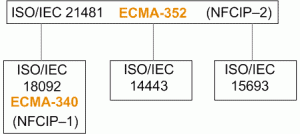
NFC near field communication ISO/IEC 18092 illustration

Payment Systems

What Is ISO/IEC 18092/ECMA-340?

NFC is a data transfer technology developed by Sony and Philips in late 2002 and adopted as an ISO/IEC standard in 2003. ISO/IEC 18092/ECMA-340 (NFCIP-1) is one of the two globally accepted NFC standards.

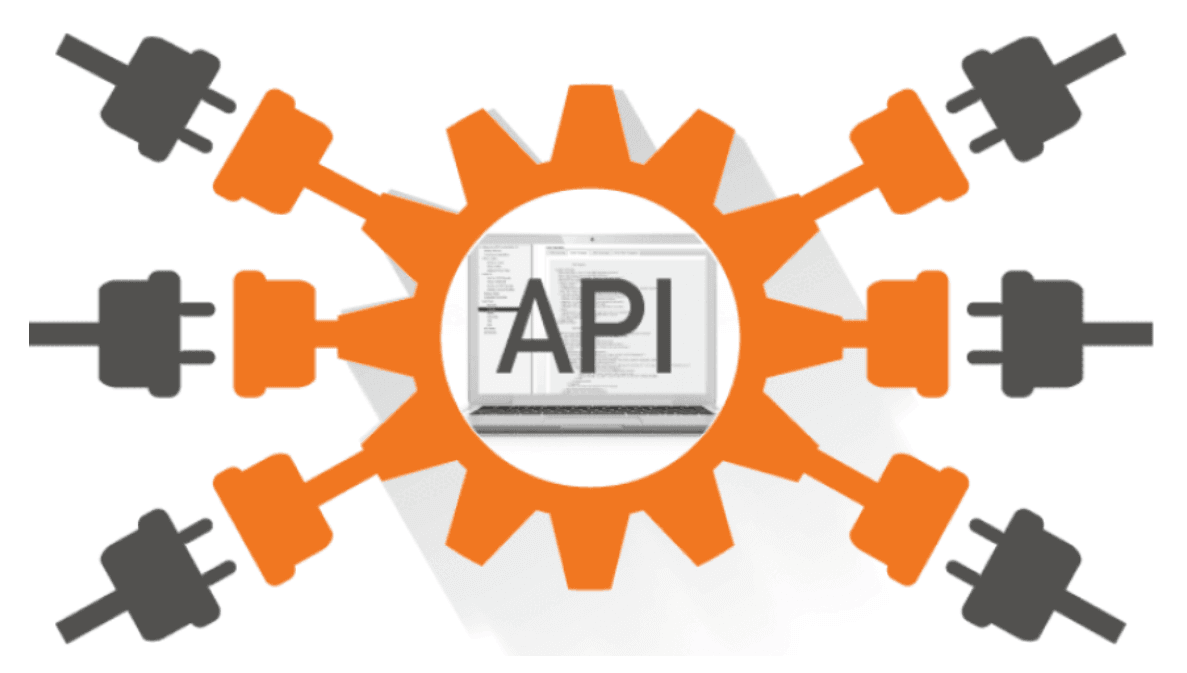
Diagram showing the three categories of API: internal, partner, and open API

Open Banking

How Many Types of API Are There?

API, used as an abbreviation for Application Programming Interface, is an interface that allows an application's functions to be accessed and used from outside or remotely, letting a server application be reached from different platforms.

Diagram showing how card transaction data flows through the ISO 8583 messaging standard

Merchant & POS

What is ISO 8583?

Introduction: When a card (credit card/debit card/prepaid card) is used at an ATM or POS, data must be carried securely between systems. For example, in a store sale, the POS initiates the transaction, which must reach the cardholder's bank intact.

Contactless reader device attached to a POS terminal

Merchant & POS

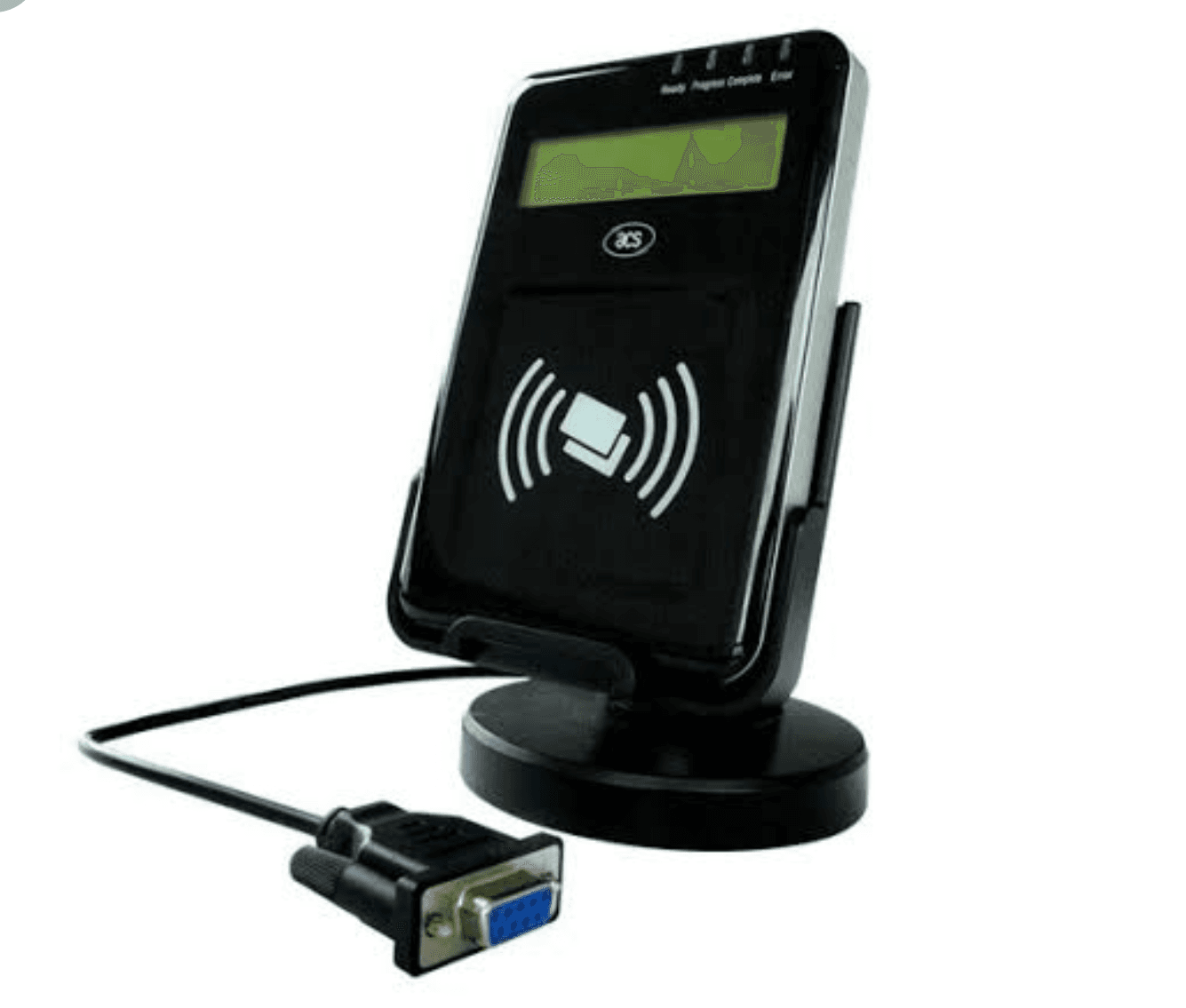
What Is a Contactless Reader?

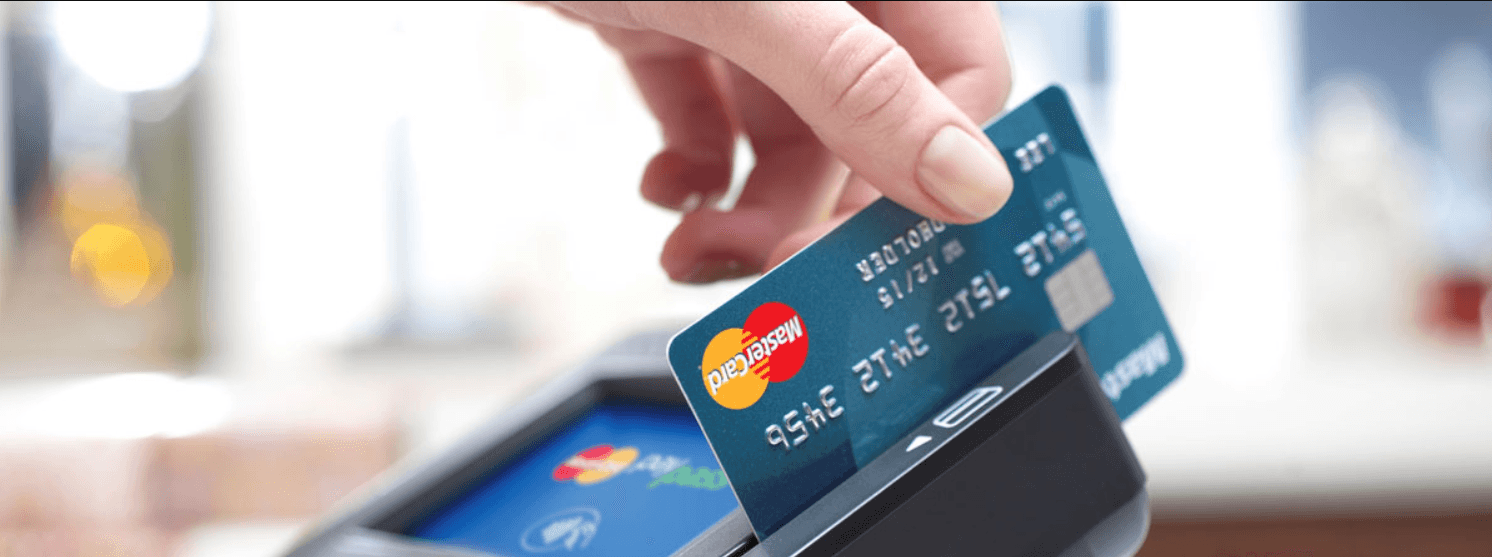
These are devices connected to a POS terminal that allow fast payments, up to a certain limit, using contactless credit cards or prepaid cards by tapping them on the contactless reader instead of the POS's card reader. Can every POS have a contactless reader attached?

PIN pad device connected to a POS terminal

Merchant & POS

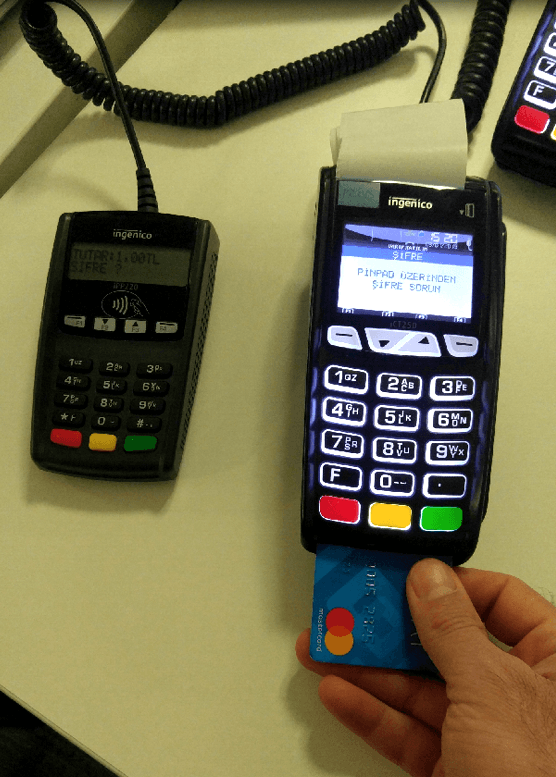
What Is a PIN Pad Device?

A PIN pad lets cardholders safely enter their PIN during POS transactions and lets contactless cards be tapped to transfer card data to the POS. Here is how it works.

Diagram illustrating the SPoC solution architecture for secure PIN entry on a COTS device

Security

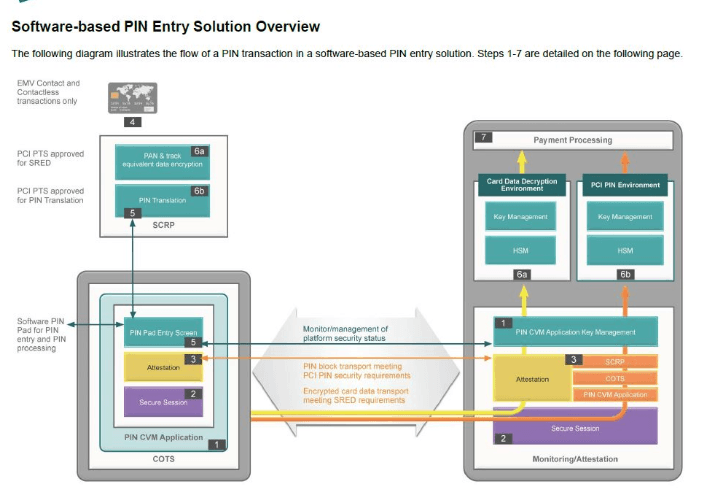
What is Software-based PIN Entry on COTS (SPoC)?

Published by the PCI SSC, Software-based PIN Entry on COTS (SPoC) is a standard that provides a software-based approach for protecting PIN entry on commercial off-the-shelf devices such as smartphones and tablets.

Illustration showing how an Application Identifier (AID) is used in a chip card transaction

EMV

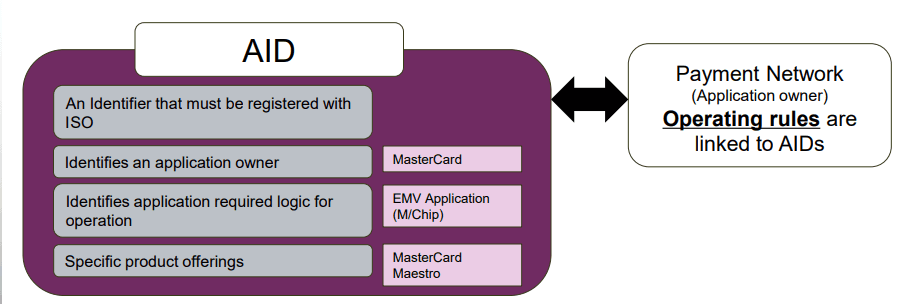
What is an Application Identifier (AID)?

The AID tells the terminal which applications are present on a chip during a POS or ATM transaction. What does the AID do? It lets the terminal determine whether it supports an application on the chip. In Tag 9F06, it is 5-16 digits long.