
Cryptocurrency
What Is Bitcoin?
Bitcoin is a digital currency launched experimentally in 2009 by Satoshi Nakamoto. It has no ties to any central bank, can be bought and sold with national currencies and can be transferred without any intermediary.
Search
68 articles found
Cryptocurrency
Bitcoin is a digital currency launched experimentally in 2009 by Satoshi Nakamoto. It has no ties to any central bank, can be bought and sold with national currencies and can be transferred without any intermediary.
HSM & Security
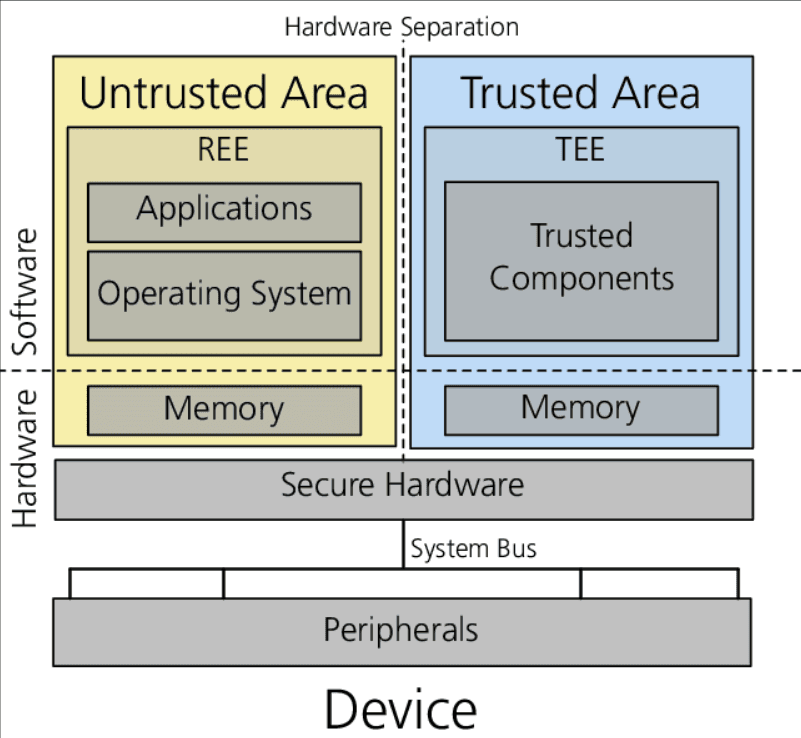
A Trusted Execution Environment (TEE) is an environment where executed code and accessed data are isolated and protected in terms of confidentiality (no one has access to the data) and integrity (no one can alter the code or its behavior). We may not realize it, but many…
Merchant & POS
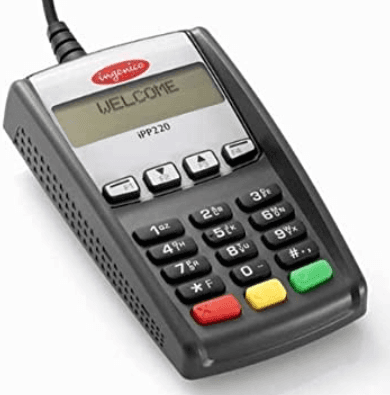
Pin Entry Device is another name for the PIN pad device we all know and use daily. It makes it easier for users to enter their card PIN during POS transactions with credit or debit cards, and is used for contactless card reading...
Merchant & POS
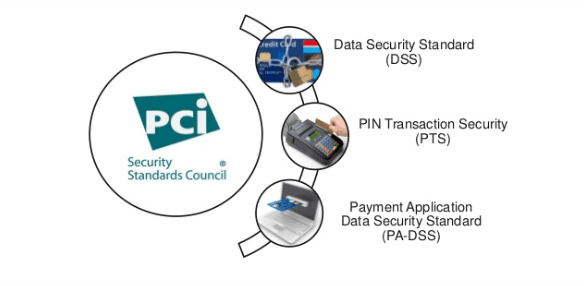
PIN Transaction Security (PTS) verifies that card data and PIN information are used for a payment transaction. It is a set of modular evaluation requirements managed by the PCI Security Standards Council for PIN-accepting terminals.
Credit Card
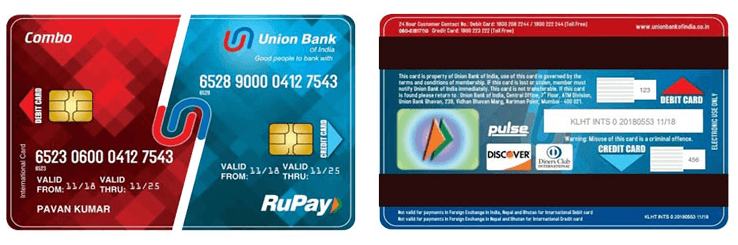
A look at the Union Bank RuPay combo card, an unusual design with two chips, two card numbers, two CVV2 values, two magnetic stripes, and two payment schemes combining credit and debit card functions.

EMV
The Pin Change/Unblock command is used after card issuance to let the issuer remove a card's PIN block, or instantly change the reference PIN and remove its block, as well.
EMV
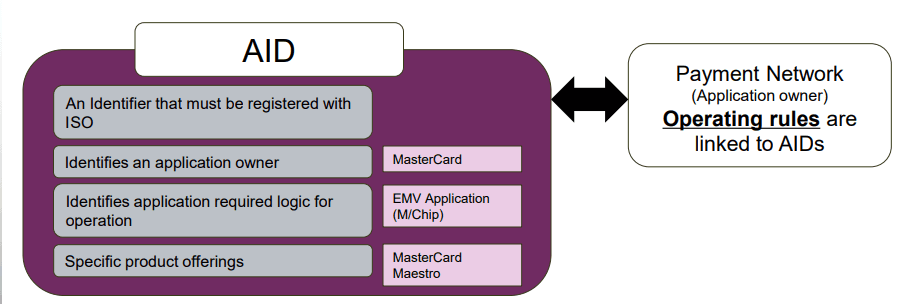
The AID tells the terminal which applications are present on a chip during a POS or ATM transaction. What does the AID do? It lets the terminal determine whether it supports an application on the chip. In Tag 9F06, it is 5-16 digits long.
HSM & Security
LMK stands for Local Master Key. The Local Master Key (LMK) is the HSM's master key, and all other keys used by the institution are secured under this key. As transaction volume increases, banks often use multiple HSMs to reduce the load on each device.
Credit Card
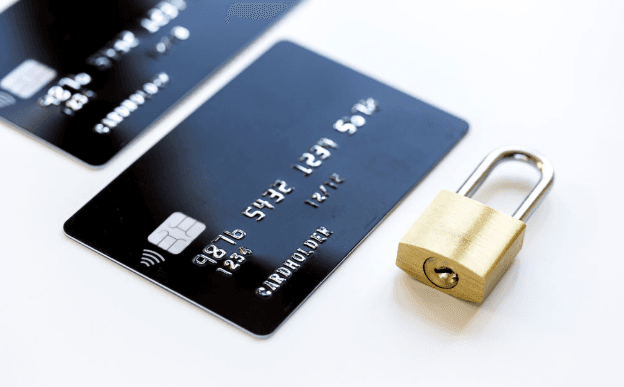
PVK (Pin Verification Key) is a key held on the HSM, used in PIN generation and verification, and therefore to confirm that a PIN is correct. On a shared network it is encrypted under TMK or ZMK; on a local network it is encrypted under one of the LMK pairs.
HSM & Security
ZMK is short for Zone Master Key. It is the key used to transport a key from one environment to another. In short, we can say ZMK is the main transport vehicle. The key that two parties use to encrypt and exchange new ZPKs is the ZMK.
HSM & Security
HSM, short for Hardware Security Module, is specialized security hardware built to store sensitive cryptographic keys in a physical environment and to perform cryptographic operations in the most secure way.
Credit Card
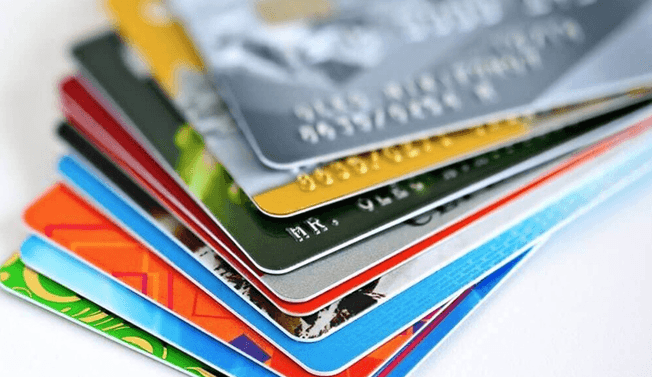
Credit cards are undoubtedly the most important payment tool for most of us when shopping. So what stages does a credit card or debit card go through before it reaches our pocket? The customer submits a card application request, and the process continues from there.