Skip to content

Search

"standards"

175 articles found

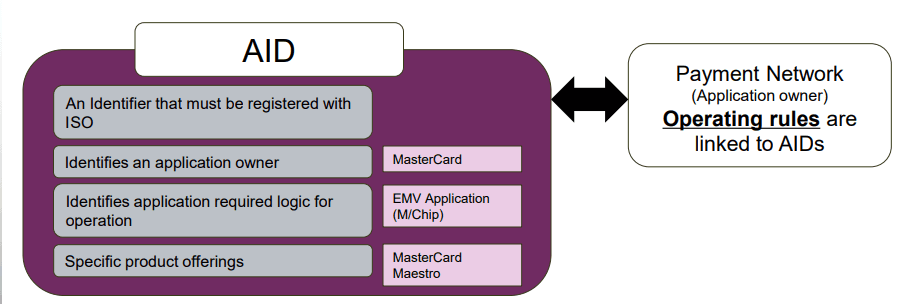
Illustration showing how an Application Identifier (AID) is used in a chip card transaction

EMV

What is an Application Identifier (AID)?

The AID tells the terminal which applications are present on a chip during a POS or ATM transaction. What does the AID do? It lets the terminal determine whether it supports an application on the chip. In Tag 9F06, it is 5-16 digits long.
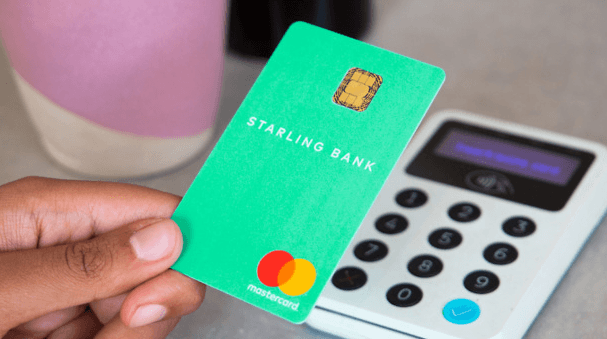
Starling Bank vertical credit card design

Credit Card

Vertical Revolution in Credit Cards

The payment card industry is arguably the sector most affected by technology and the quickest to adapt new developments. With mobile devices, payment systems have changed a lot - we now prefer using our credit cards virtually rather than physically.

DES and AES encryption comparison illustration

HSM & Security

What are DES and AES Keys?

Below are the properties and descriptions of the DES and AES keys used for encryption: DES (Data Encryption Standard) and AES (Advanced Encryption Standard) are both symmetric block ciphers. DES is a symmetric block cipher with a 56-bit key length...

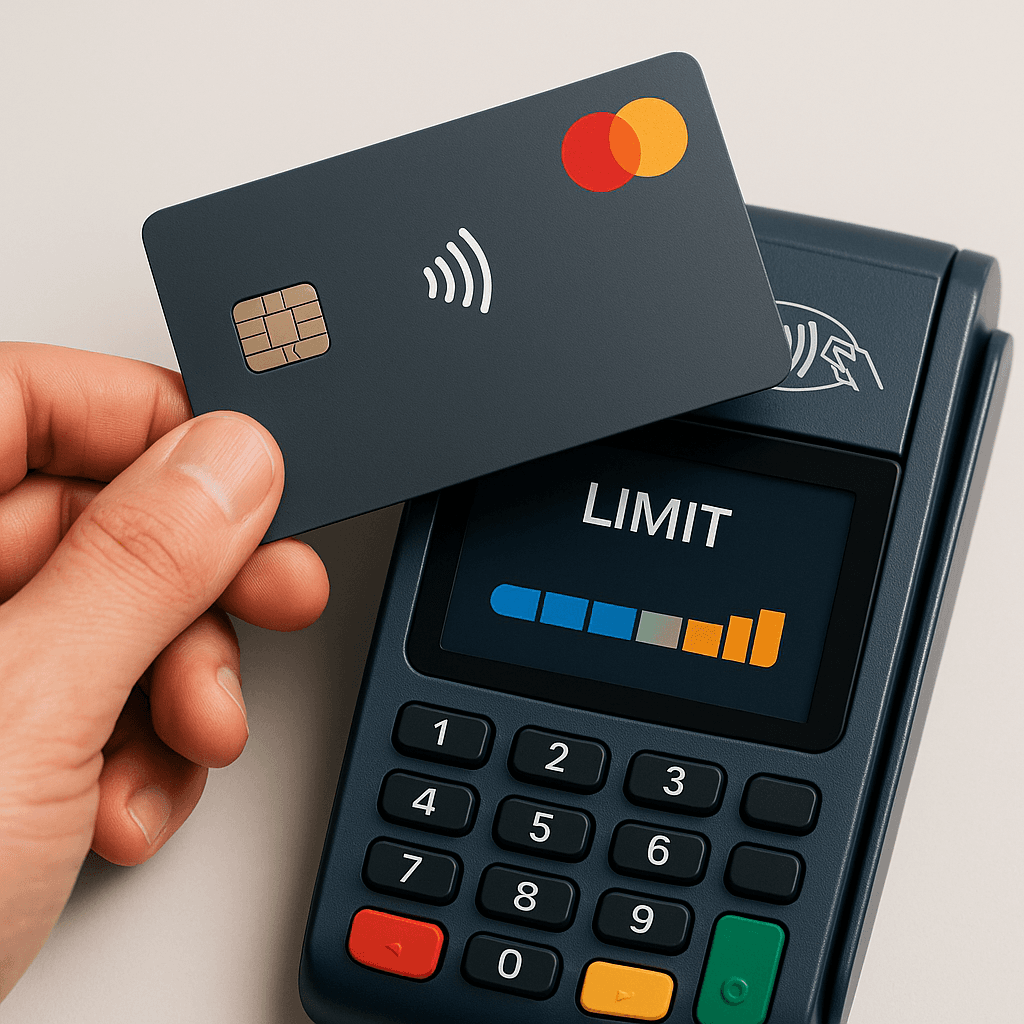
Illustration of dynamic CVM limit management for contactless card payments

Payment Systems

Dynamic CVM Limit Management Approach: A New Era in Card Security

One of the most notable recent developments in card payments is that contactless limits are no longer fixed and can be managed dynamically per customer. Mastercard and Visa are taking different but complementary approaches, and ISO 8583 may need to evolve with them.

Illustration of an AI-based payment agent making payments automatically on behalf of a user

Payment Systems

What Are AI-Based Payment Agents?

Digitalization keeps changing the speed and shape of payments. AI-based payment agents pay on their own within user-defined limits and rules, completing transactions without the user initiating any action. This post explains how they work and what to watch for.

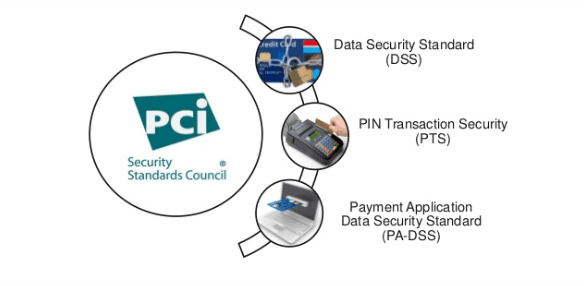
Illustration representing PIN Transaction Security (PTS) certified payment devices

Merchant & POS

What is PIN Transaction Security (PTS)?

PIN Transaction Security (PTS) verifies that card data and PIN information are used for a payment transaction. It is a set of modular evaluation requirements managed by the PCI Security Standards Council for PIN-accepting terminals.

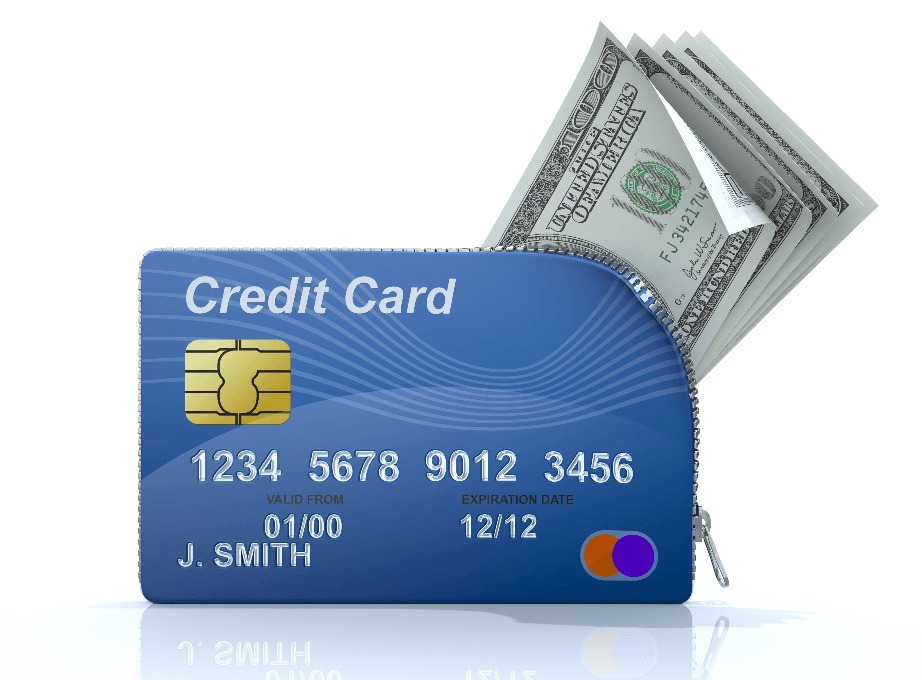
Illustration of a credit card showing standard ISO/IEC 7810 and 7811 design features

Credit Card

What is a Credit Card?

A credit card is a printed card, or a card number with no physical form, that allows the purchase of goods and services or cash withdrawal without using cash. So how are credit card limits set and managed? Setting a limit involves checking many parameters about the customer.

Table of Reimbursement Attribute values used in the clearing process

Clearing

What is Reimbursement Attribute?

DE03/Reimbursement Attribute carries the Reimbursement Value of a transaction. BKM uses this information as the basis for calculating interchange fees and charges between member banks.

Diagram showing the structure of an ISO 8583 message

ISO 8583

What Fields Make Up ISO 8583?

We covered the ISO 8583 basics in an earlier article. This post explains the ISO 8583 message structure in detail: every ISO 8583 message consists of three main parts - the MTI (Message Type Indicator), the Bitmap, and the Data Elements.

ISO 8583 F124 field structure and subfield breakdown

ISO 8583

ISO 8583 Field Descriptions (F124)

F124 (Private Additional Data) contains additional information specific to the transaction, such as Card Update Failure Code and Status, cardholder name in money transfers, and keys in network management messages.

EMV chip card illustration

Online & Authorization

What is EMV?

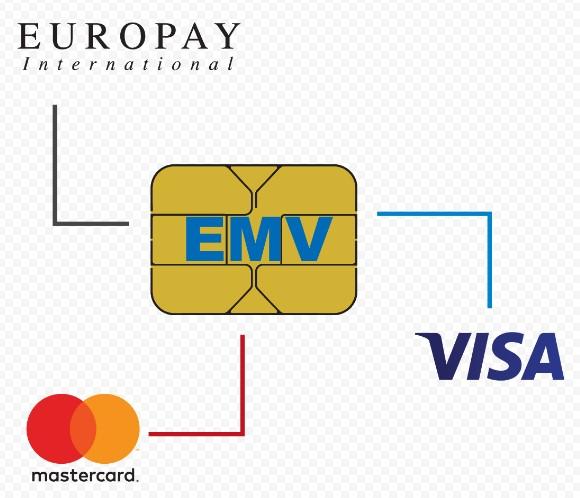
EMV stands for Europay, Mastercard and Visa. In 1994 these companies formed a working group to set chip-card standards, leading to the EMV standards used worldwide today.