Skip to content

Search

"Additional Amounts"

84 articles found

Table of merchant sectors where offline transactions are restricted

Merchant & POS

In Which Sectors Can Offline Transactions Not Be Performed?

An offline transaction is one approved by the card and the POS themselves, without going to any system (the card's bank or the POS's bank), when a chip card transaction is made at a POS. For this reason, some sectors considered risky are restricted.

Card refund receipt standards illustration

Merchant & POS

What Are the Standards for Refund Receipts?

Cardholders may request a refund through the merchant for POS transactions due to wrong deliveries, returned goods and similar reasons. Here is the information a refund receipt must contain, including extra fields for e-commerce.

Table of chargeback reason codes by payment scheme

Chargeback

What Are the Chargeback Reason Codes by Payment Scheme?

A chargeback is the process of requesting that an amount paid by credit card be refunded, either because the goods or services paid for were not received, or because a transaction is identified as one the cardholder did not carry out.

Illustration of a multicurrency POS terminal supporting multiple foreign currencies

Merchant & POS

What Is a MultiCurrency POS?

Multicurrency POS refers to POS devices that can process transactions in foreign currencies (USD, EUR, GBP, etc.) in addition to Turkish Lira. Merchants using a MultiCurrency POS can process transactions in different currencies for international cardholders.

Diagram illustrating card fraud and forgery in card payments

Security

What Is Forgery in Card Payments?

Forgery in card payments means transactions made with card details without the cardholder's knowledge, or purchases with counterfeit or stolen cards. Merchants cannot eliminate fraud and chargeback risk, but they should aim to reduce it to reasonable levels.

ATM management and monitoring software

ATM

What Are ATM Management Support Software Tools?

ATMs hold significant amounts of cash, are among banks' most important customer service points and are prone to faults, so they must be monitored from installation onward and acted on quickly.

Illustration of the internal cash tower unit inside an ATM

Payment Systems

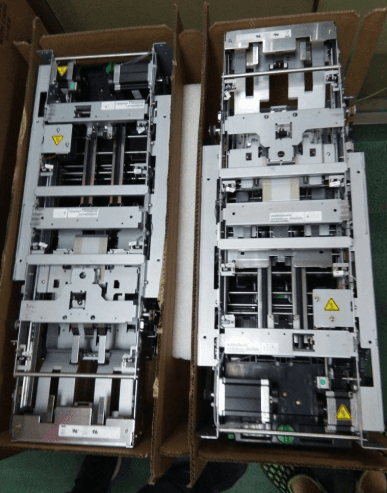
What is a tower?

In payment systems, the tower is the section inside an ATM where cash is physically stored. It contains cassettes holding different banknote denominations, a mix cassette for mismatched notes, and various security mechanisms protecting the cash.

Illustration representing credit and debit card fraud

Credit Card

Credit Card/Debit Card Fraud

Credit card fraud is generally committed using the card itself, using card details without the card, via excess or duplicate withdrawals, or by seizing identity information. ATM card trapping is common, since ATMs hold the card during the transaction.

Diagram of the chargeback process between cardholder, issuer and acquirer

Chargeback

How to Reduce Chargebacks (For Cardholders)

A chargeback is when a cardholder asks the issuing bank to refund a transaction made without their knowledge. It cannot be prevented entirely, but simple precautions can minimize the risk. Here is how the process works and what cardholders should do.

Illustration of a closed-loop payment ecosystem growing through loyalty, data, and new services

Closed-Loop Payments

Why Do Closed-Loop Payment Systems Want to Grow? | Series #6

Why does a coffee chain build its own loyalty program, and why does a payment app keep adding services? This post looks at how loyalty, data, and new services drive the growth of closed-loop payment systems, and at the financial layers behind that growth.

Credit card installment payment illustration

Credit Card

What Is Installment Payment?

Installment payment means dividing a product's price into a set number of equal amounts. For example, if a 100 TL product is bought in 5 installments, the cardholder pays 20 TL a month for 5 months, totaling 100 TL.