Skip to content

Search

"PIN Verification"

60 articles found

Diagram illustrating Terminal PIN Key (TPK) usage in POS and ATM devices

HSM & Security

What is TPK (Terminal PIN Key)?

TPK stands for Terminal PIN Key. It is a data encryption key used to encrypt PINs for transmission between a terminal and the terminal's bank (acquirer) within a local network. Learn how TPK is used in POS and ATM devices.
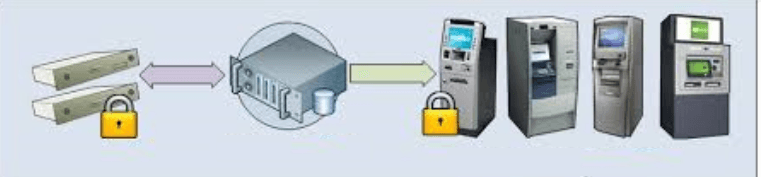

Diagram illustrating the Remote Key Loading (RKL) process

ATM

What Is RKL (Remote Key Loading)?

RKL is the process of distributing a TMK (Terminal Master Key) to each terminal from a central point. It is used to remotely load keys onto POS and ATM devices, loading TMKs onto an ATM's keypad or activating them on a POS.

Card application fraud illustration

Credit Card

What Are the Methods of Card Application Fraud?

A fraudster who has obtained someone's identity card, or produced a copy of it, applies for a card in the customer's name through various channels using that and the other requested documents.

Illustration representing credit and debit card fraud

Credit Card

Credit Card/Debit Card Fraud

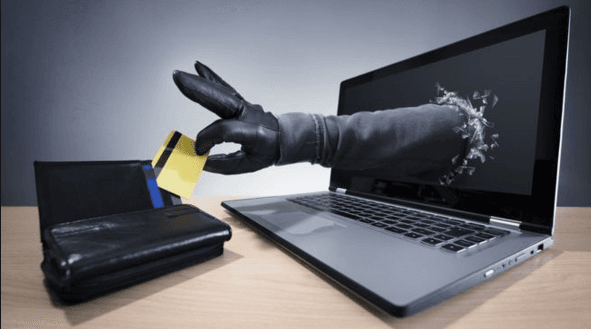
Credit card fraud is generally committed using the card itself, using card details without the card, via excess or duplicate withdrawals, or by seizing identity information. ATM card trapping is common, since ATMs hold the card during the transaction.

Diagram illustrating the EMV Tag-Length-Value (TLV) data structure used in card transactions

Online & Authorization

What are EMV Tags?

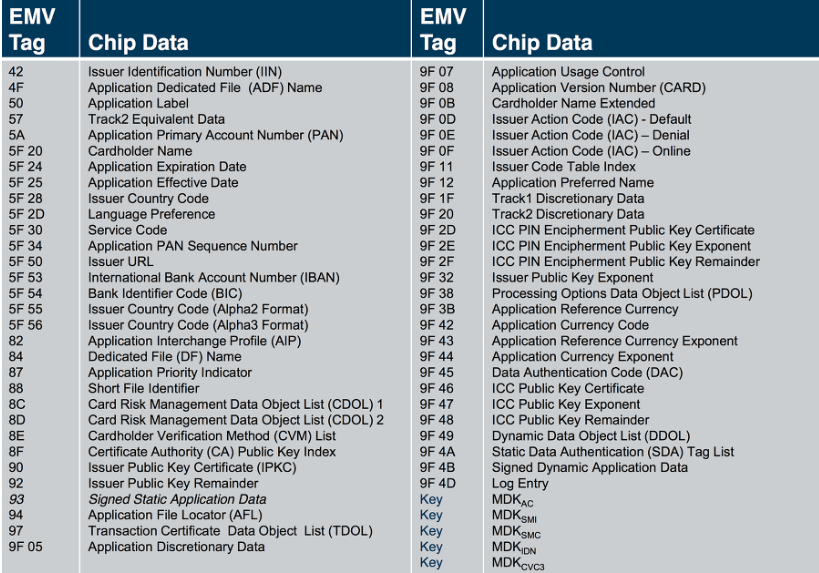
In EMV, data is stored in Tag-Length-Value (TLV) format, and it is carried between the card, the POS terminal, and the authorization system in this same format. This post lists every EMV Tag, its type, and its description.

Illustration of dynamic CVM limit management for contactless card payments

Payment Systems

Dynamic CVM Limit Management Approach: A New Era in Card Security

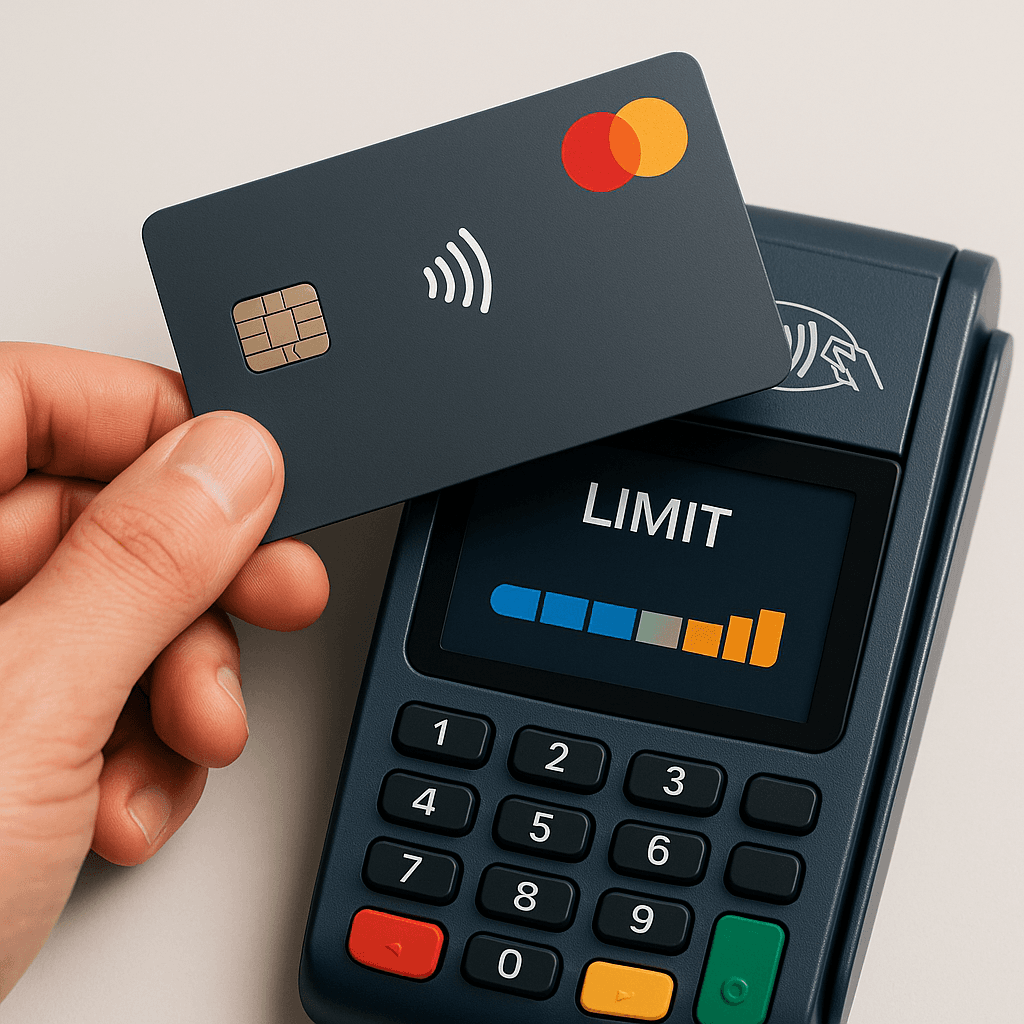
One of the most notable recent developments in card payments is that contactless limits are no longer fixed and can be managed dynamically per customer. Mastercard and Visa are taking different but complementary approaches, and ISO 8583 may need to evolve with them.

Diagram illustrating how a transaction's 3D Secure authentication level is determined

3D Secure

How is a transaction's 3D Secure level determined?

Especially with the growth of the internet, credit card transactions have started shifting from physical POS terminals to virtual POS terminals. In virtual transactions, the 3D Secure structure is used instead of the card PIN entered in physical transactions. So how is a transaction's…

Credit card and smartphone illustrating online card payments without physically presenting the card

Credit Card

Do I have to use my physical card when shopping?

In the early years of credit cards, using the card physically was mandatory. With the internet and new technologies, we can now pay with only the card details, 3D Secure and contactless NFC payments, even without the card in hand.

Illustration of contactless payment transaction limits

Merchant & POS

What Are the Limits Used in Contactless Transactions?

Current information: This article describes the limit as of its publication date. For the current contactless (no-PIN) transaction limit, see the linked article. The introduction of contactless transactions brought new concepts and structures.

Contactless card payment at an overseas POS terminal that prompts for a PIN after a limit is exceeded

Payment Systems

Visa Overseas Contactless Transactions – After Code 70 (Part 2)

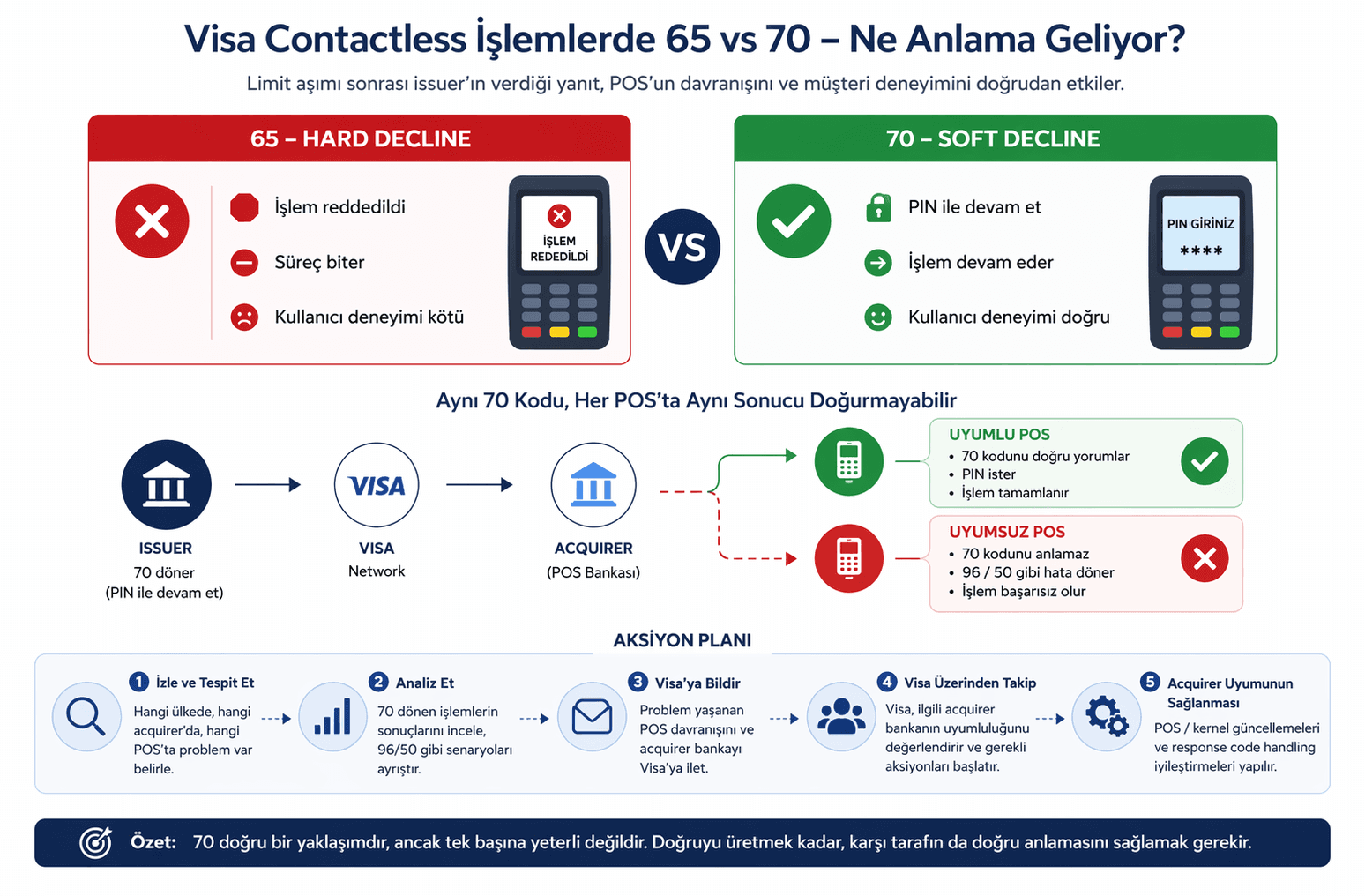
After switching to response code 70 for contactless limit-exceeded cases, we found that some overseas POS devices and acquirers did not handle it as expected. This post covers why the problem lies in the ecosystem and how to address it.

Diagram illustrating the ISO 8583 F55 field structure for ICC system related data

ISO 8583

ISO 8583 Field Descriptions (F55)

F55 - INTEGRATED CIRCUIT CARD (ICC) SYSTEM RELATED DATA: the field where EMV data is written on chip cards. It consists of components such as Position, Private Data Subelements, PDS Tag, PDS Length, and PDS Value...