Skip to content

Search

"additional data"

74 articles found

Diagram comparing the 3D, 3D Pay, and 3D Pay Hosting payment models

Payment Systems

What are the 3D Secure Payment Models?

In card payment transactions made via a physical POS device, entering the card's PIN keeps the transaction secure, while in virtual POS transactions, security is provided through the 3D Secure flow. Are 3D Secure payment methods standardized? There are 3 different 3D Secure models.

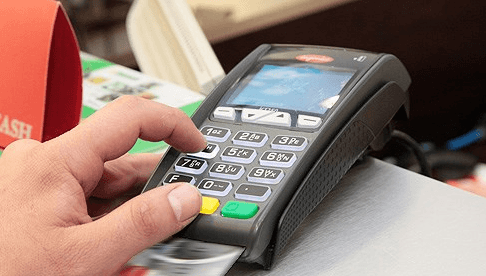
Contactless card payment at a POS terminal with the transaction limit raised to 120 TL

Merchant & POS

Contactless Transaction Limit Raised to 120 TL

Per BKM data, 3 in 5 merchants accept contactless payments and 1 in 10 credit card transactions is contactless. From 1 August 2019, contactless payments by card or mobile device are allowed without a PIN up to 120 TL.

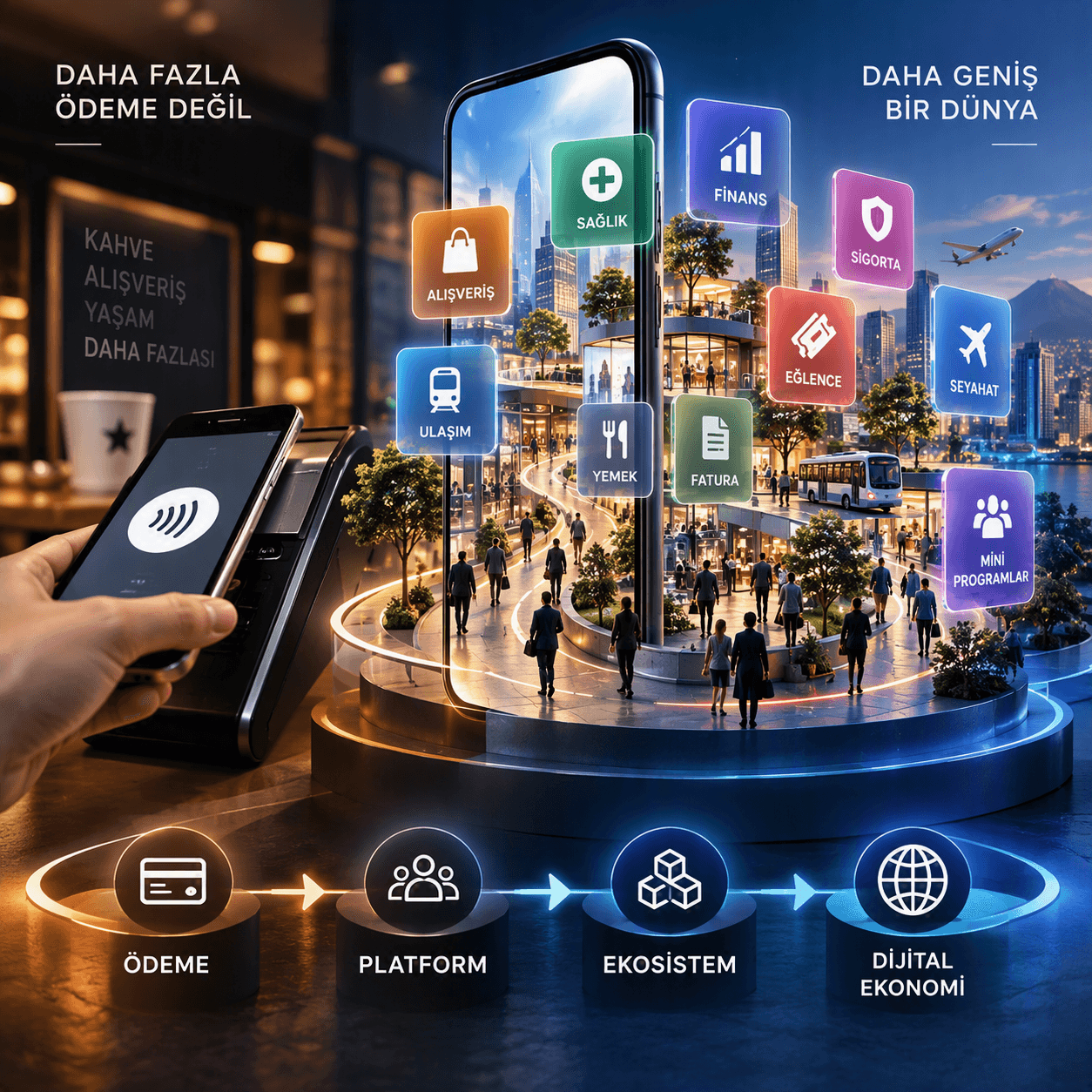
Illustration of a closed-loop payment ecosystem growing through loyalty, data, and new services

Closed-Loop Payments

Why Do Closed-Loop Payment Systems Want to Grow? | Series #6

Why does a coffee chain build its own loyalty program, and why does a payment app keep adding services? This post looks at how loyalty, data, and new services drive the growth of closed-loop payment systems, and at the financial layers behind that growth.

Payment terminal running multiple bank applications as a shared POS

Payment Systems

What is a shared POS? Key points for projects and testing

A shared POS is a bank or institution terminal that can host more than one application. This post covers the software, APN and authorization steps, and the key test scenarios to cover in a shared POS project.

Payment card being checked against a card recovery bulletin of problem cards

Merchant & POS

What Is a Card Recovery Bulletin (Card Protection Bulletin)?

A Card Recovery Bulletin is a list of problem cards (lost, stolen, expired, over-limit, counterfeit or otherwise flagged) published by card schemes such as Visa or MasterCard. It shows whether a card number is listed on the date of purchase.

Diagram of the chargeback process between cardholder, issuer and acquirer

Chargeback

How to Reduce Chargebacks (For Cardholders)

A chargeback is when a cardholder asks the issuing bank to refund a transaction made without their knowledge. It cannot be prevented entirely, but simple precautions can minimize the risk. Here is how the process works and what cardholders should do.

Diagram of the online authorization flow for below-CVM-limit contactless transactions

Payment Systems

Domestic Flow Change Made for Below-CVM-Limit Online Contactless Transactions

The domestic authorization flow for below-CVM-limit online contactless transactions has changed. Issuers can now ask the cardholder for a PIN or request card insertion instead of simply approving or declining. This post explains the CVM list and the new DE48 PDS22 and DE39 = 65 message flows.

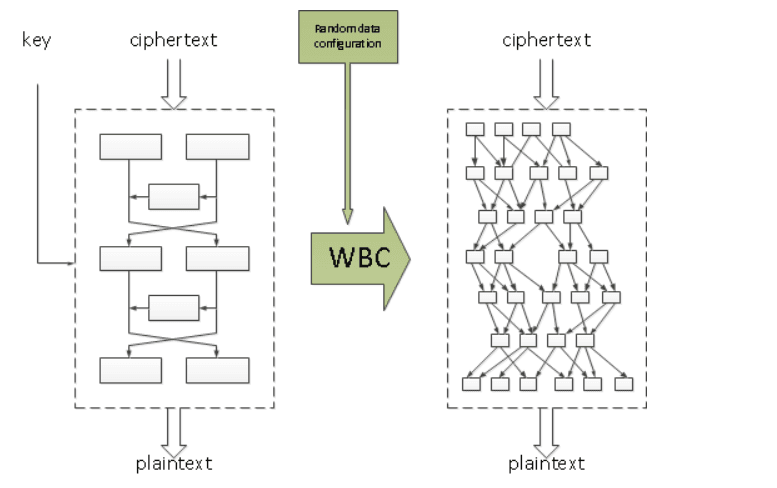
Diagram illustrating White Box Cryptography (WBC) for securing open devices

HSM & Security

What is White Box Cryptography (WBC)?

White Box Cryptography (WBC) is an important technology used to minimize security risks for open devices such as smartphones. It is a new technique against attacks targeting white-box attack environments.

Parcels and a laptop representing cross-border e-commerce shopping

E-commerce

An Overview of Cross-Border E-commerce Transactions

With the growth of the internet and its global reach, companies have increasingly begun to deliver their products to more people in foreign markets through online channels. This gives sellers an advantage beyond the domestic market and gives consumers wider access to products.

Illustration of a marketplace solution connecting multiple online marketplaces and sellers

E-commerce

What Is a Marketplace Solution?

A marketplace solution is a service offered by software that enables communication and data exchange between different marketplaces. It is a multi-vendor online shopping infrastructure, including the payment system, for listing, searching and buying products and services.