Skip to content

Search

"card verification"

128 articles found

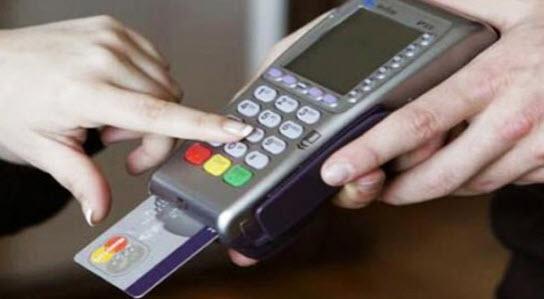
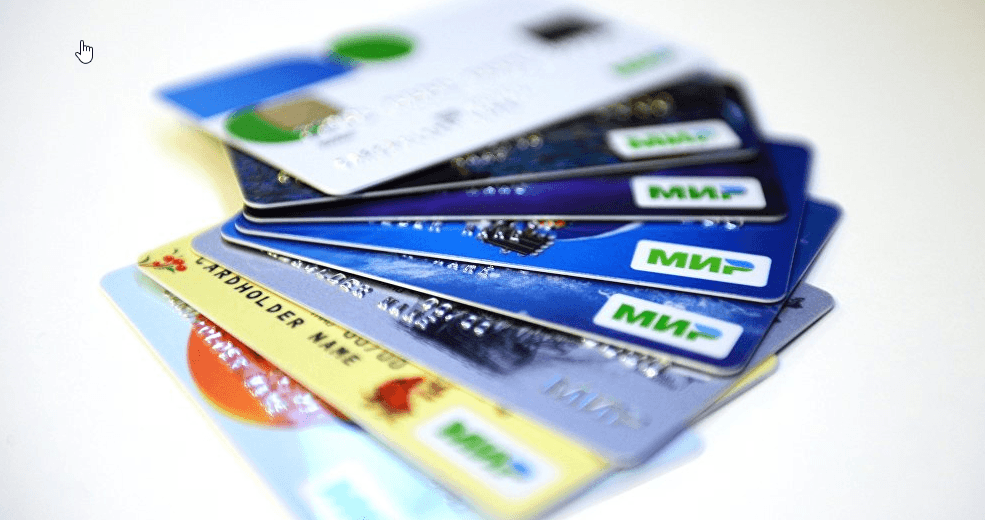
Payment card illustrating magnetic stripe data used for PIN verification

Credit Card

What is PVV (PIN Verification Value)?

PVV is the number encoded on a card's magnetic stripe that allows the cardholder's PIN to be verified by ATMs and POS terminals. It is a 4-digit cryptogram calculated through a cryptographic operation using the PIN and card data. The real result is longer than 4 digits.
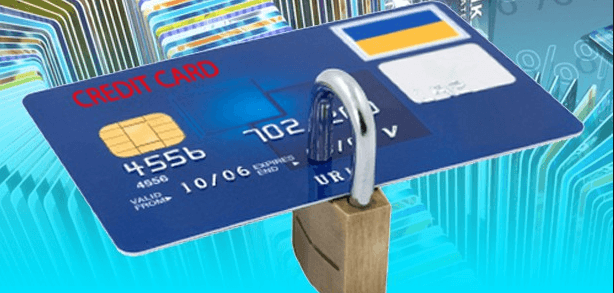
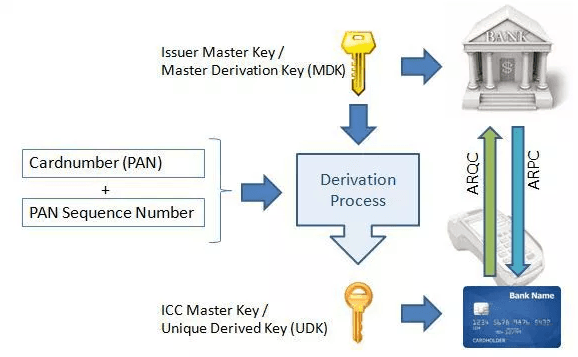
Diagram showing how the iCVV code is generated for EMV chip cards

Credit Card

What Is iCVV? How Is It Generated?

iCVV stands for Integrated Circuit Card Verification Value. To prevent fraud, it is a CVV value generated similarly to the card's track data and stored on the card's chip. Visa uses the term iCVV; MasterCard and American Express use their own equivalents.

Credit card used for a mail order transaction

Credit Card

Which Cards Can I Use for Mail Order Transactions?

Debit cards and prepaid cards are generally closed to mail order transactions. Mail order authorization is held on credit cards. Unless specifically requested at application, a card is issued closed to mail order transactions.

Illustration of a contactless payment card being tapped on a POS terminal

Contactless

What is Magnetic Stripe Data (MSD)?

As end users, we have come to love contactless payments, which are becoming a bigger part of daily life. So what features let contactless cards make payments without touching the POS terminal? There are two classes: MSD cards and Contactless EMV cards.

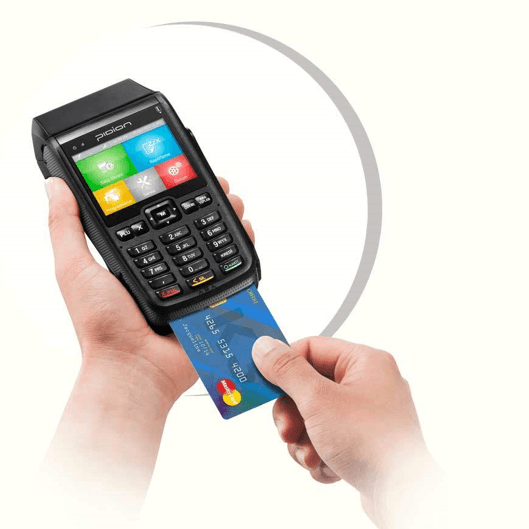
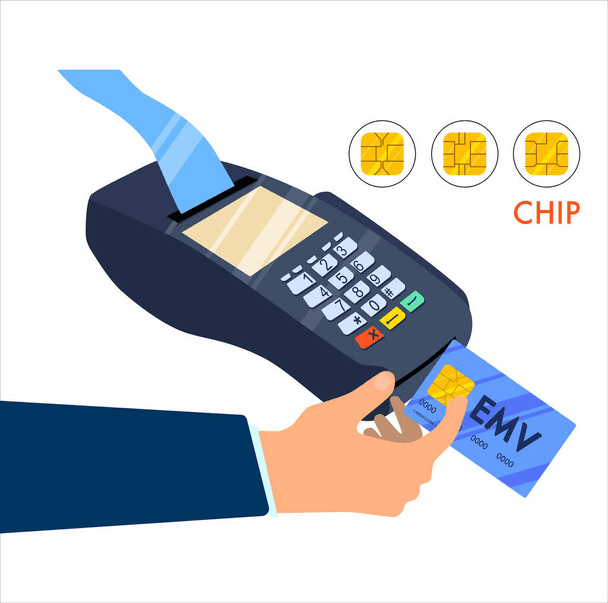
POS terminal processing an EMV chip card transaction

Credit Card

Application Interchange Profile (AIP)

The Application Interchange Profile indicates the application functions supported by the card. The AIP values and their descriptions are given below. Where is the AIP found? The AIP is a 2-byte piece of data stored on the card, carried under EMV tag 82.

Table of EMV Transaction Status Information (TSI) bit definitions

Merchant & POS

Transaction Status Information (TSI)

Contains the EMV steps performed by the Terminal in a transaction. The TSI fields, their possible values, and descriptions of the values are shown below.

Photo of a POS terminal related to EMV Issuer Action Code settings

Online & Authorization

Issuer Action Code (IAC)

These are codes that communicate the issuer's conditions for approving a transaction online (IAC-Online), for declining it (IAC-Denial), or for declining it when the terminal cannot go online (IAC-Default).

Diagram illustrating that credit cards and debit cards require separate BIN ranges

Credit Card

Can a Single BIN Issue Both Credit and Debit Cards?

A single BIN cannot be used to issue both a credit card and a debit card. If a bank offers both products, it has at least two different BINs, allocated and announced separately by card type.

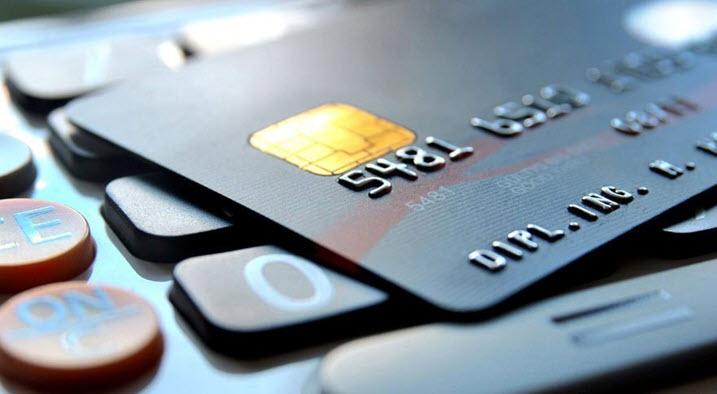
Illustration of a smart card chip related to the ISO/IEC 7816 standard

Credit Card

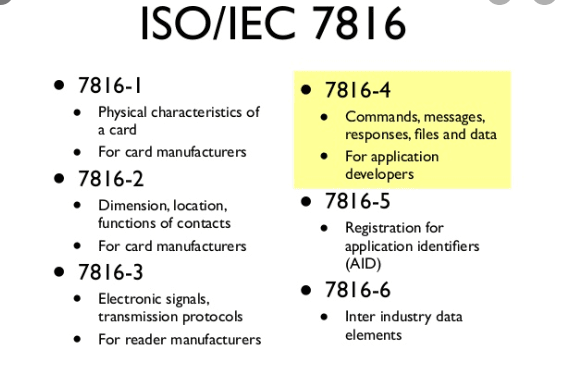
What is ISO/IEC 7816?

ISO/IEC 7816 is an international standard jointly maintained by ISO and IEC, covering contact-based electronic identification cards, especially smart cards. It consists of 15 different parts, each covering a different aspect of smart card technology.