
HCE
Host Card Emulation (HCE) Offline Transaction Rules
The basic offline transaction rules applied in HCE transactions include the CVM limit for contactless payments, standby mode payments, and PIN entry requirements above the limit.
Search
92 articles found
HCE
The basic offline transaction rules applied in HCE transactions include the CVM limit for contactless payments, standby mode payments, and PIN entry requirements above the limit.

Payment Systems
Digitalization keeps changing the speed and shape of payments. AI-based payment agents pay on their own within user-defined limits and rules, completing transactions without the user initiating any action. This post explains how they work and what to watch for.
Merchant & POS
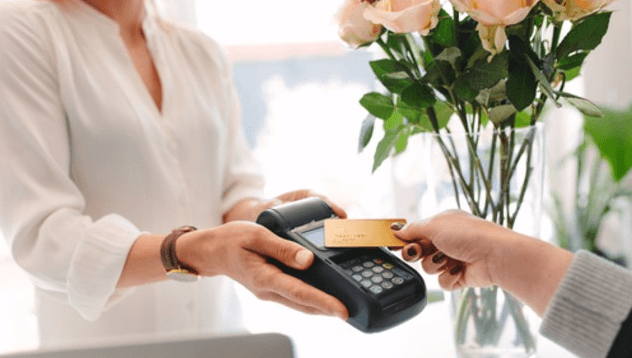
Current information: This article describes the limit as of its publication date. For the current contactless (no-PIN) transaction limit, see the linked article. The introduction of contactless transactions brought new concepts and structures.
Contactless
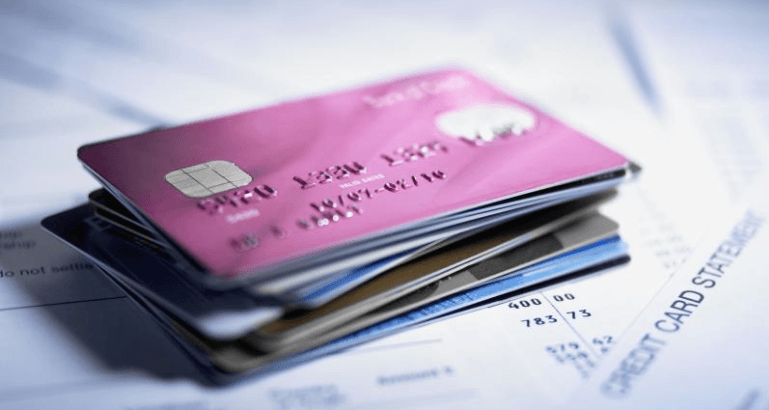
Updated info: this article describes the limit at the time it was published. For the current contactless (PIN-free) transaction limit, see the linked article. A 1,000 TL contactless transaction is technically possible, but banks won't take that risk.
EMV
DFN is the abbreviation for Dedicated File Name. It defines the name of the DF (Dedicated File) as described in ISO/IEC 7816-4. It is the data found in Tag 84, 5 to 16 characters in length.
Payment Systems
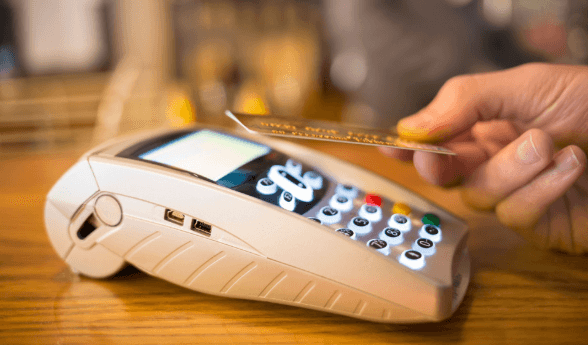
No, they cannot use your entire card limit. In addition to special controls for contactless cards, contactless-enabled cards have limited payment amounts.
Debit Card
A contactless transaction is a fast, secure payment made between a chip card and a POS device without direct contact, without the card's chip or magnetic data being read through the card reader. Can this be done with a debit card (ATM card)?
Merchant & POS
According to the third Card Spending Analysis by TOBB and Visa, average monthly card spending in Turkey in the first quarter of 2022 rose 85 percent year on year, driven by e-commerce, debit cards, and contactless payments.

E-commerce
In recent years, data exchange over wireless mobile devices has become much faster and more secure. In 2019, mobile devices were used in 54.5 percent of purchases made by e-commerce users. With the steady growth in mobile users, mobile commerce keeps gaining ground.
Merchant & POS
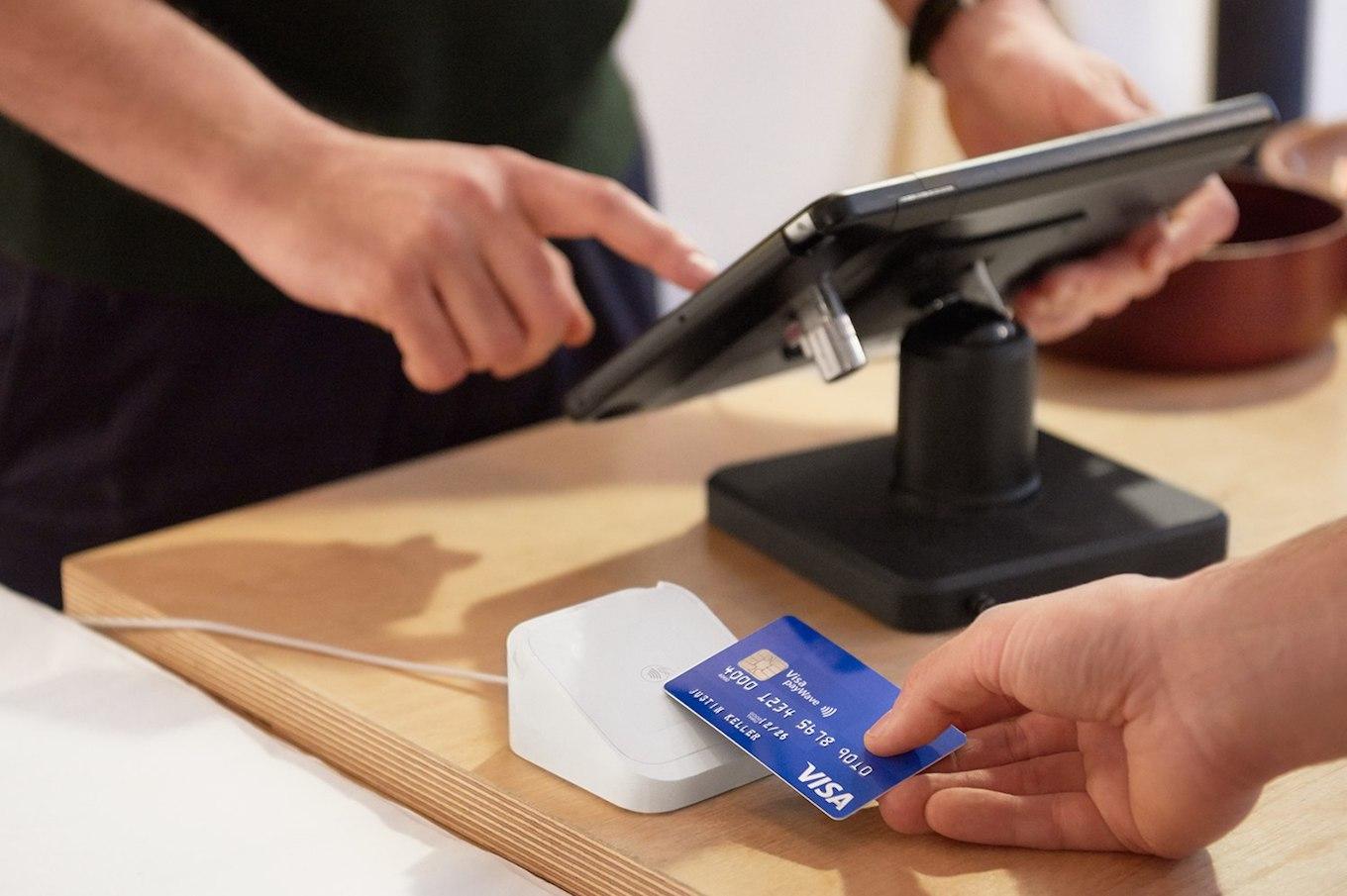
Checking whether the transaction receipt is printed after a POS transaction, and verifying the amount on it, has probably become a habit for all of us. So what about contactless transactions?
Security
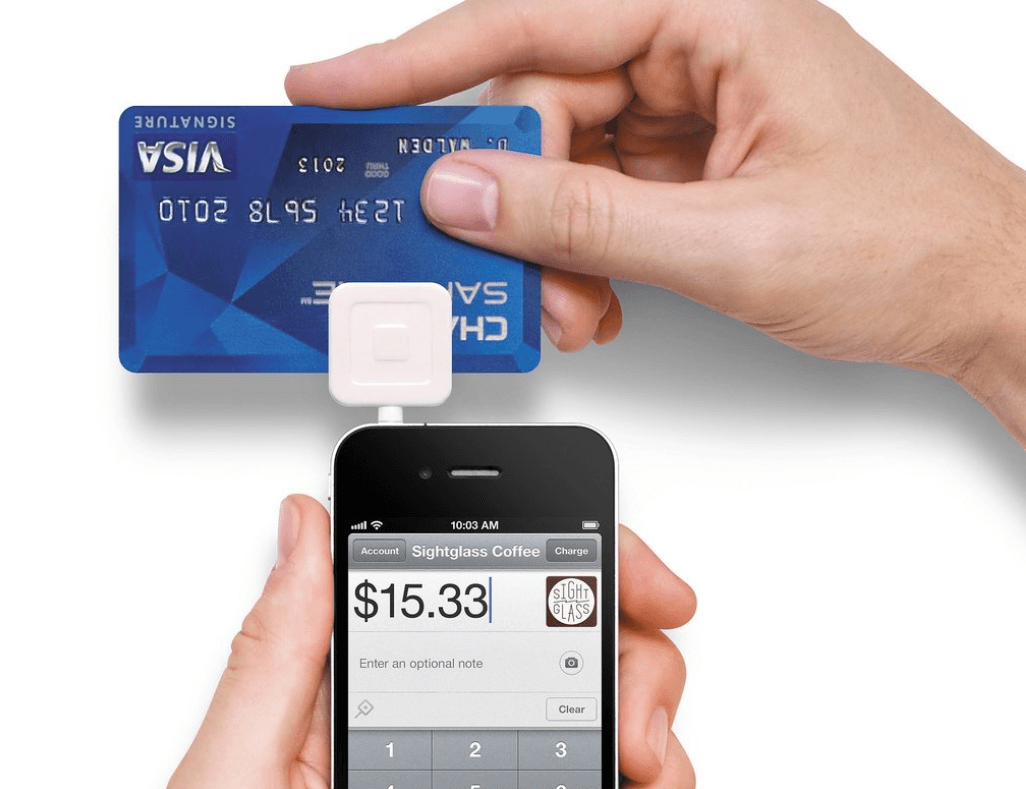
A Secure Card Reader for PIN (SCRP) is a multi-function card reader that turns any iOS, Android or Windows device into a payment terminal able to accept chip and contactless payments with PIN.
Credit Card
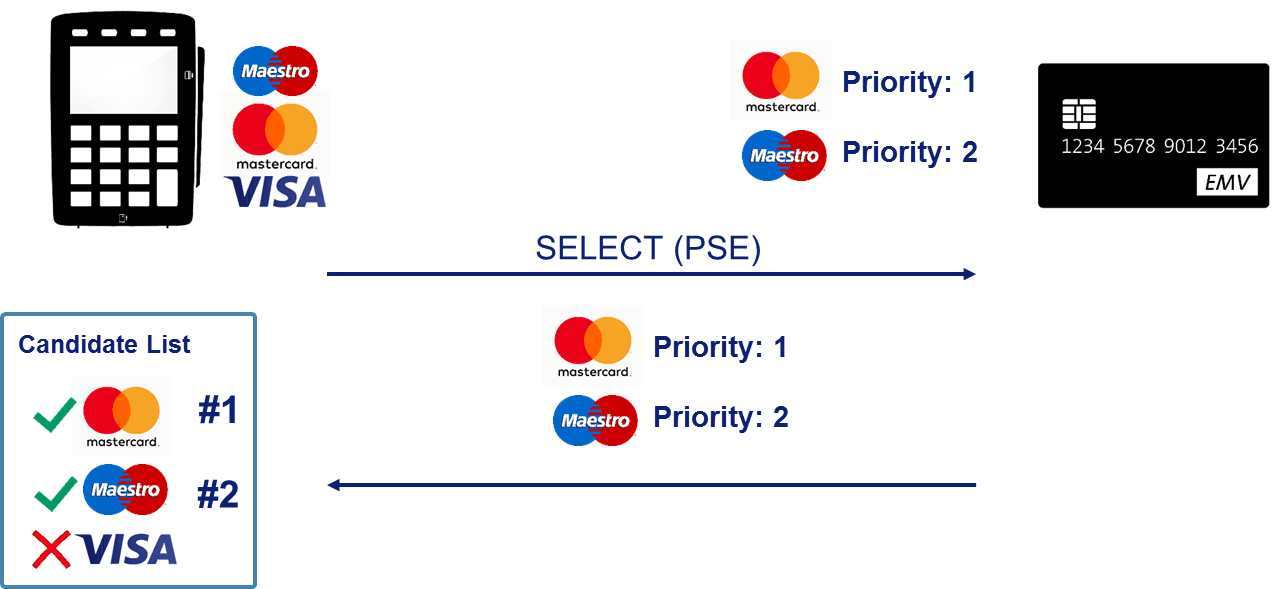
PSE (Payment System Environment) is a directory on the card named 1PAY.SYS.DDF01 for a contact chip and 2PAY.SYS.DDF01 for a contactless chip. The Candidate List built via PSE is called indirect or implicit Application Selection.